

Images
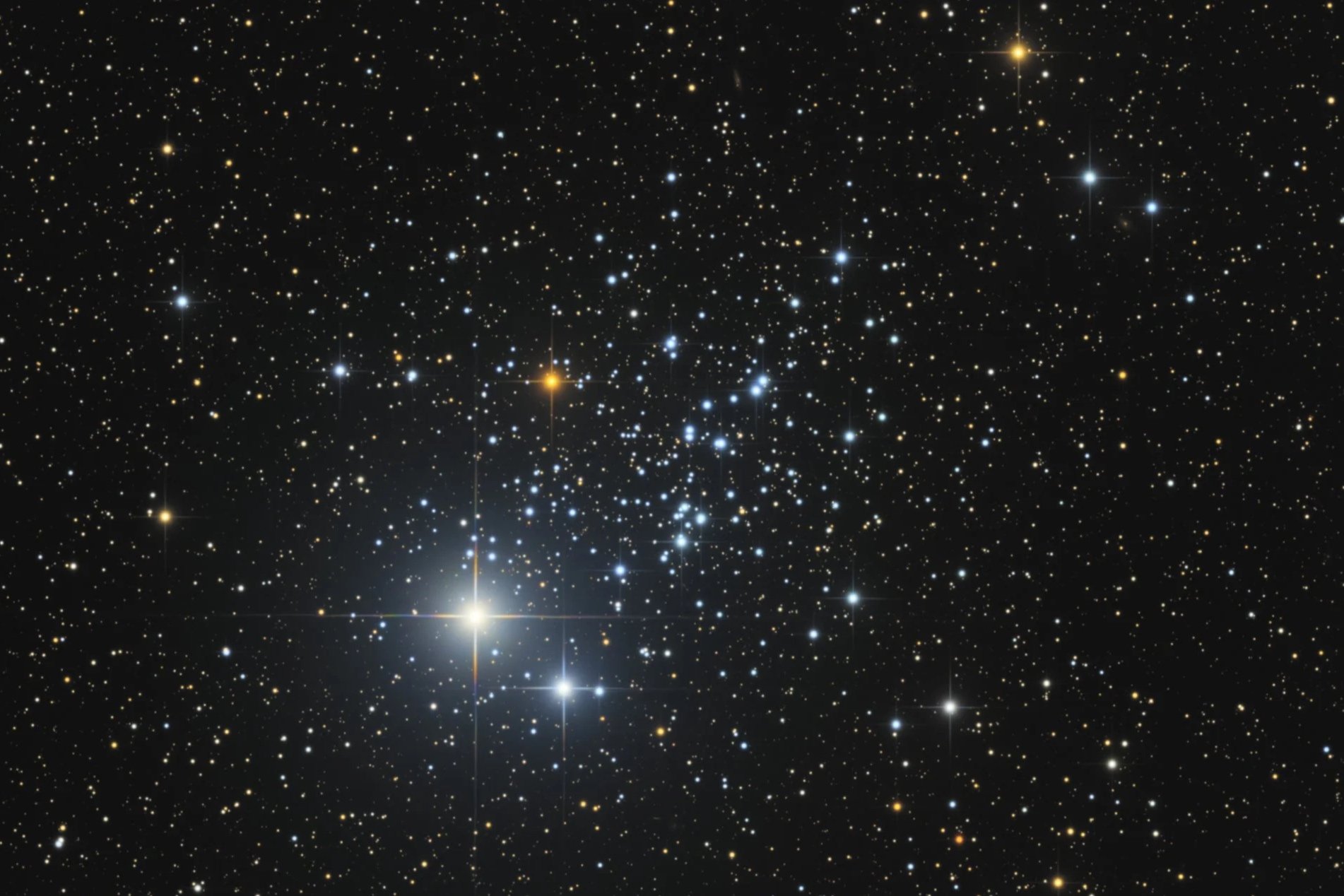
Caldwell 13
Caldwell 13, also known as NGC 457, is an open star cluster located in the constellation Cassiopeia. It was discovered by William Herschel on 18 August 1780. The cluster is known by several popular names, such as Owl Cluster, E.T. Cluster and Dragonfly Cluster. NGC 457 lies at a distance of approximately 7,900 light-years from Earth and is the brightest open cluster in Cassiopeia.
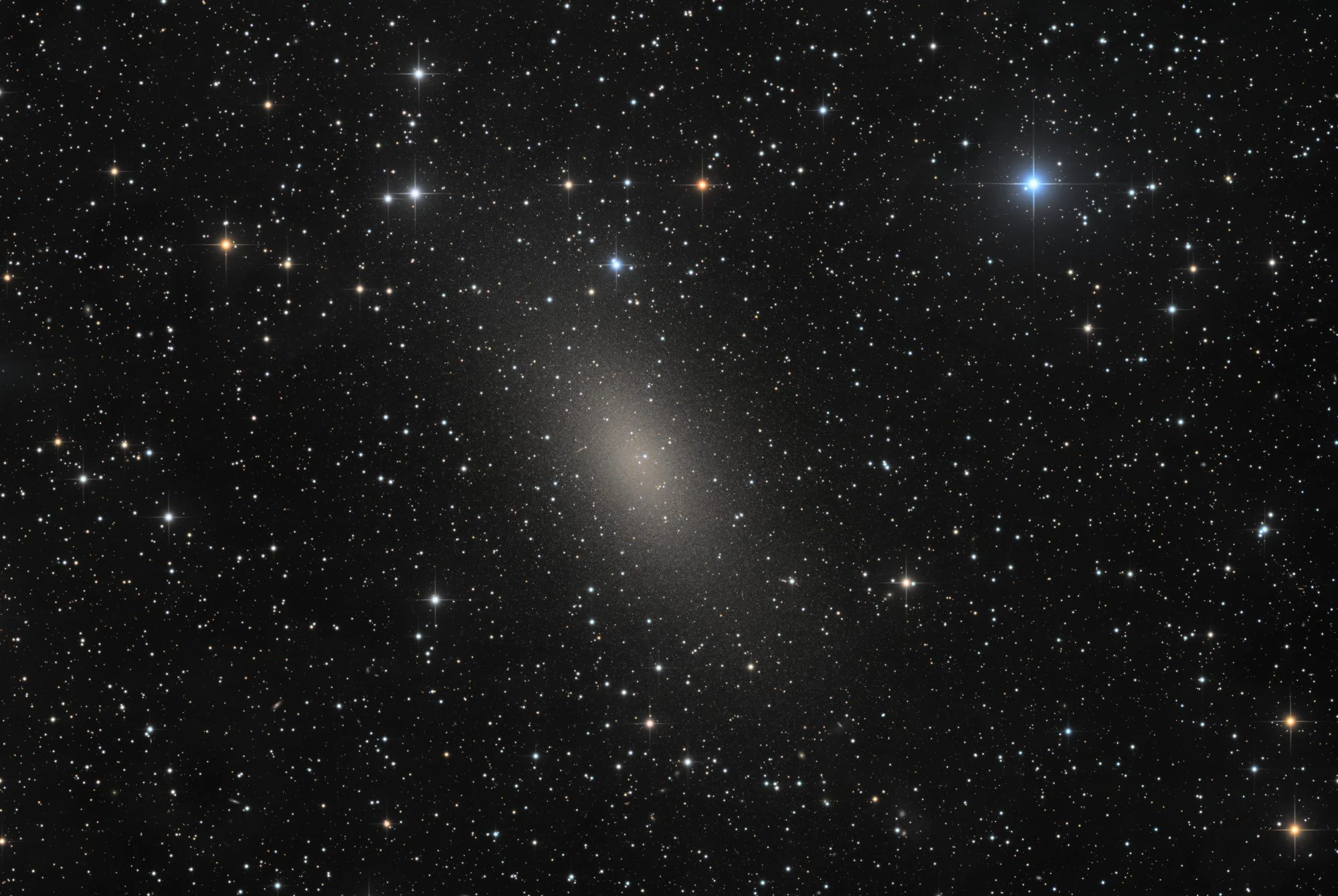
Caldwell 17
Caldwell 17, also known as NGC 147, is a dwarf spheroidal galaxy located in the constellation Cassiopeia. It was discovered by John Herschel on September 8, 1829. NGC 147 lies at a distance of approximately 2.5 million light-years from Earth and is a member of the Local Group of galaxies. It is a satellite galaxy of the Andromeda Galaxy. NGC 147 is one of the few galaxies in which globular clusters can be resolved. In this image all four clusters identified by Paul Hodge in 1976 and classified as Hodge I through IV are resolved.
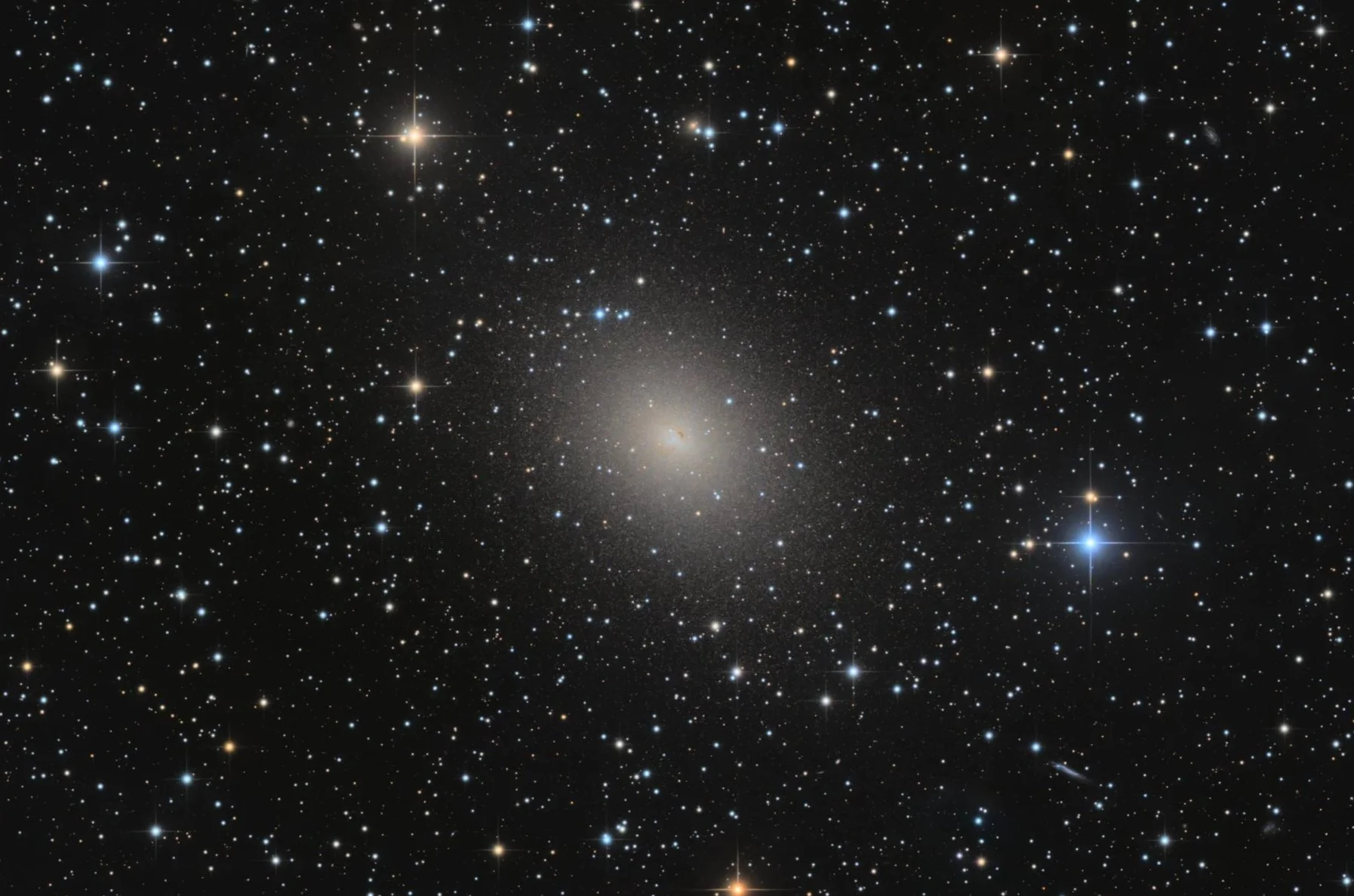
Caldwell 18
Caldwell 18, also known as NGC 185, is a dwarf spheroidal galaxy located in the constellation Cassiopeia. It was discovered by William Herschel on November 30, 1787. Caldwell 18 lies at a distance of approximately 2 million light-years from Earth, placing it firmly within the Local Group and making it a satellite galaxy of the Andromeda Galaxy, M31.
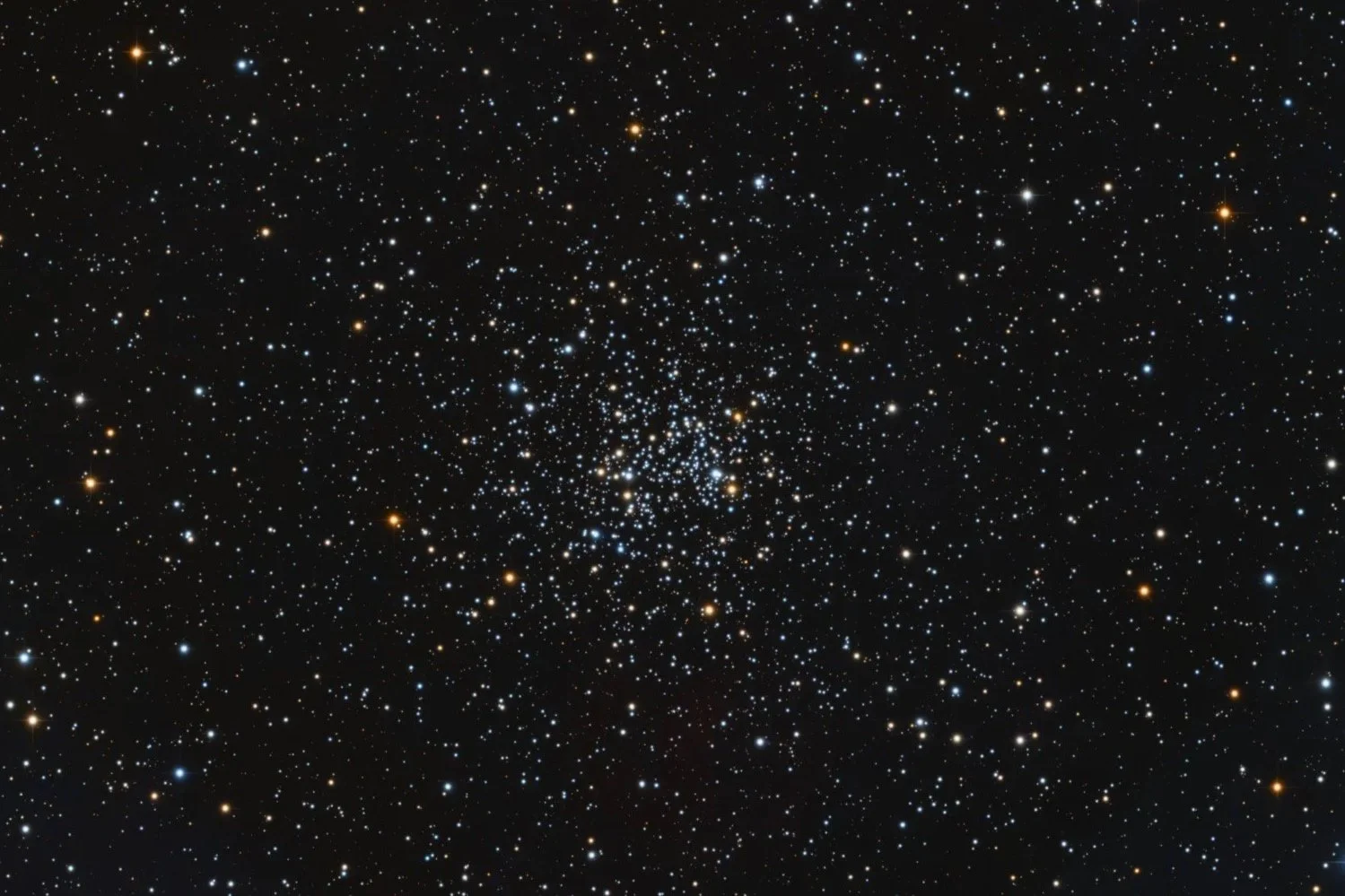
Caldwell 54
Caldwell 54, also known as NGC 2506, is an open star cluster located in the constellation Monoceros, the Unicorn. It was discovered by William Herschel on March 1, 1791. NGC 2506 lies at a distance of approximately 10,000 light-years from Earth. It spans a true diameter of roughly 25 light-years and reaches an apparent magnitude of around 7.6.
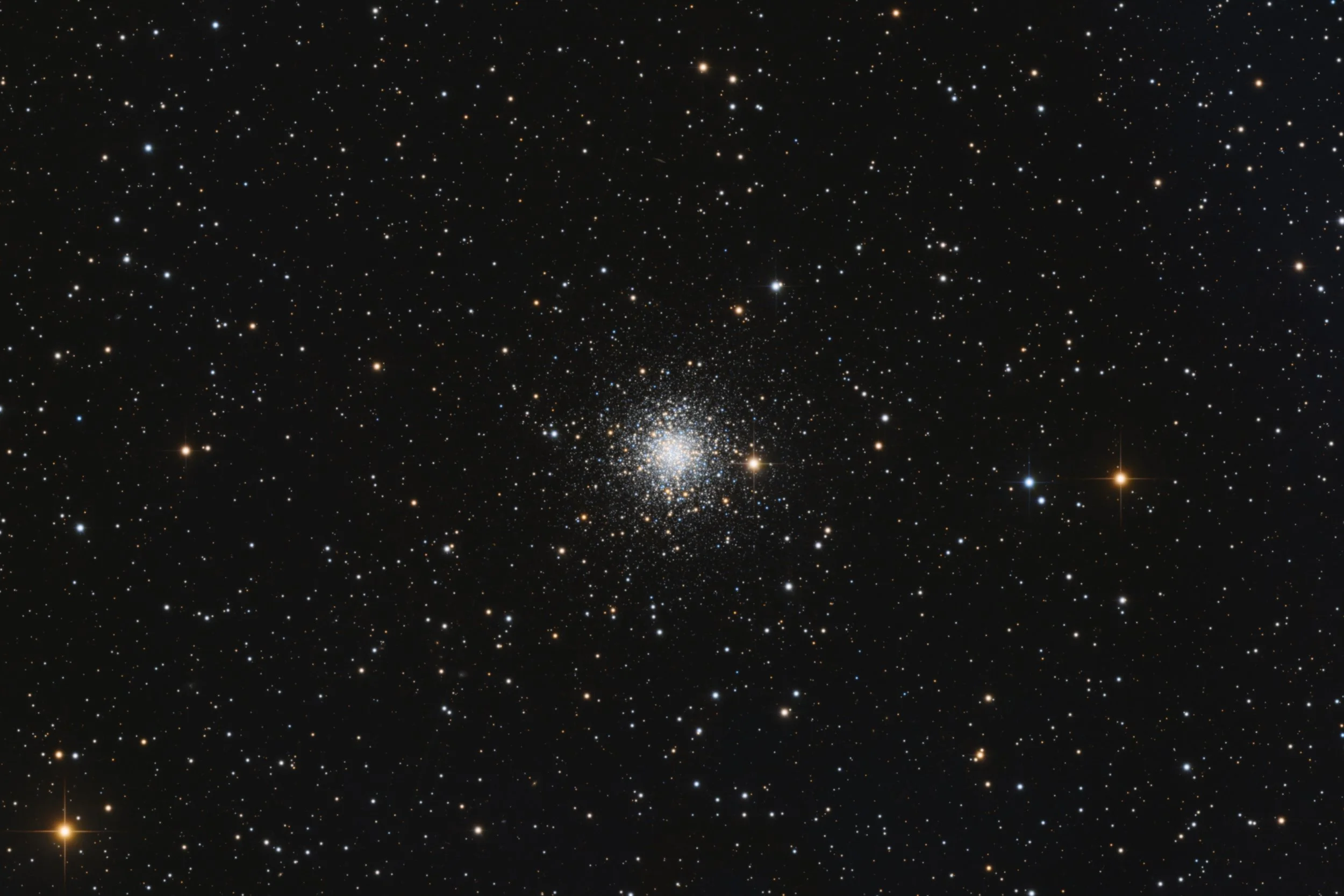
Caldwell 47
Caldwell 47, also known as NGC 6934, is a globular cluster located in the constellation Delphinus. It was discovered by William Herschel on September 24, 1785. C47 lies at a distance of approximately 50,000 light-years from Earth, placing it well out in the outer halo of the Milky Way.
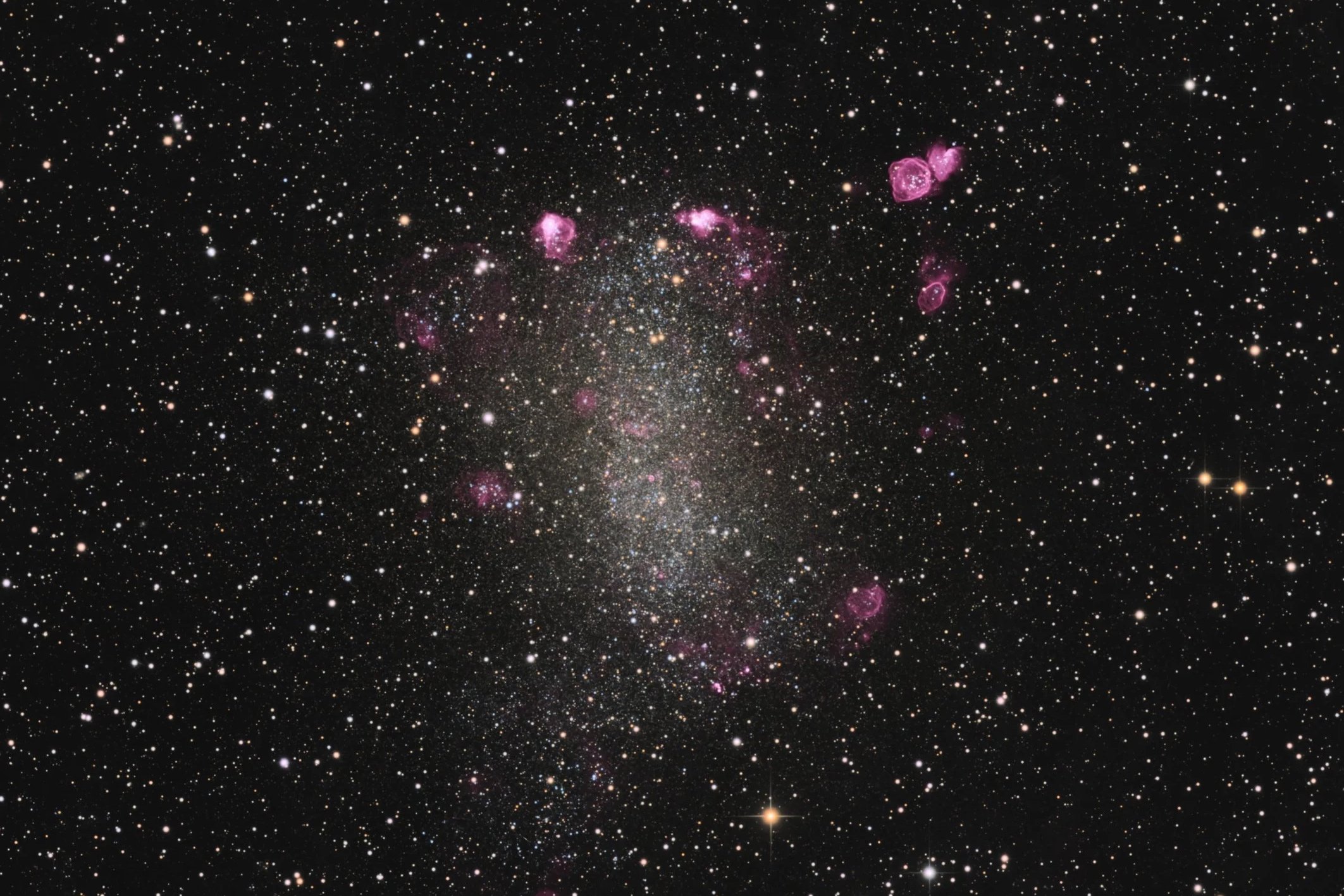
Caldwell 57
Caldwell 57 is a dwarf irregular galaxy located in the constellation Sagittarius. It was discovered by Edward Emerson Barnard in 1884, and is commonly known as Barnard's Galaxy. The galaxy is a member of the Local group. It spans a true diameter of roughly 7,000 light-years, making it considerably smaller than the Milky Way. C57 contains several bright HII regions and star-forming nebulae visible in narrowband imaging. The Hubble Space Telescope photographed these individual nebulae and they carry a Hubble naming sequence.
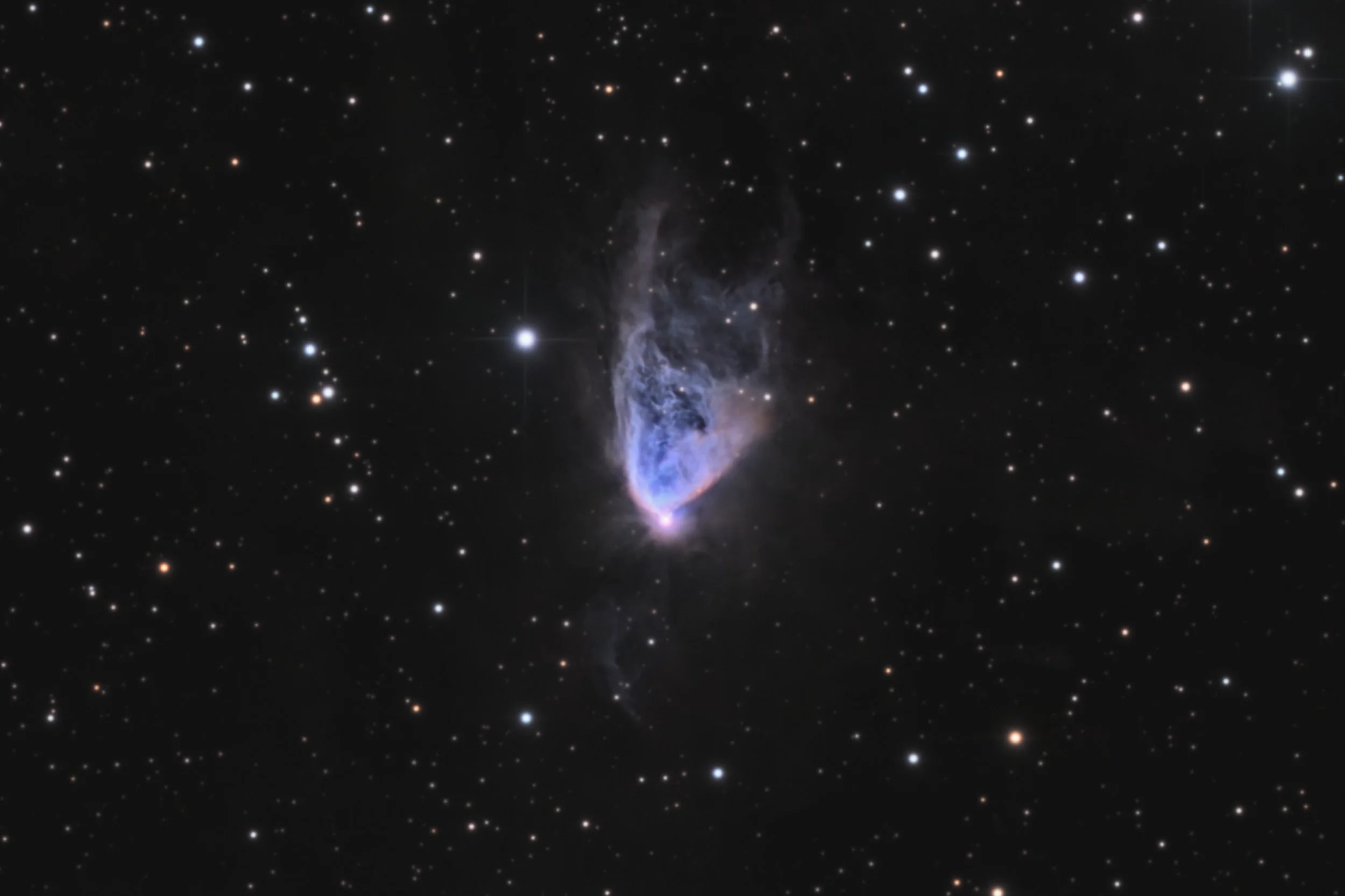
Caldwell 46
Caldwell 46, also known as NGC 2261 or Hubble’s Variable Nebula is a variable nebula located in the constellation Monoceros. It got its nickname from observations that Edwin Hubble did during the middle of the previous century, in which he discovered that both shape and brightness changes over time. One explanation is that dark clouds block light from the central illuminating star from time to time, in a timespan of weeks or months.
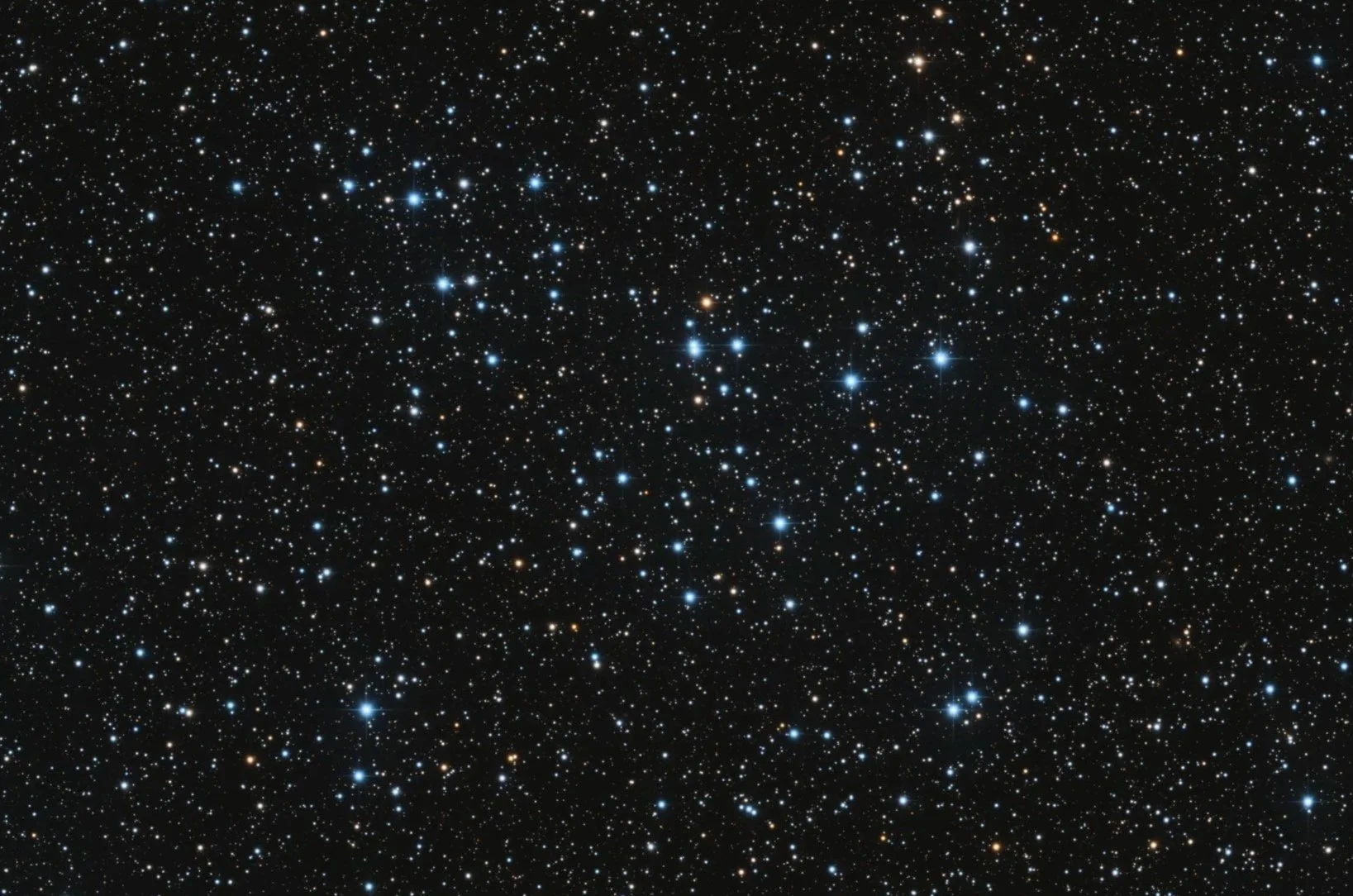
Caldwell 16
Caldwell 16, also known as NGC 7243, is an open cluster located 2,300 light years from Earth in the constellation of Lacerta. It was discovered in 1788 by William Herschel, contains an estimated 211 stars and has an angular diameter of about 21 arc minutes. The age of this cluster is estimated at about 250 million years. The cluster is fairly bright, with an apparent magnitude of 6.4 making it visible with the naked eye.
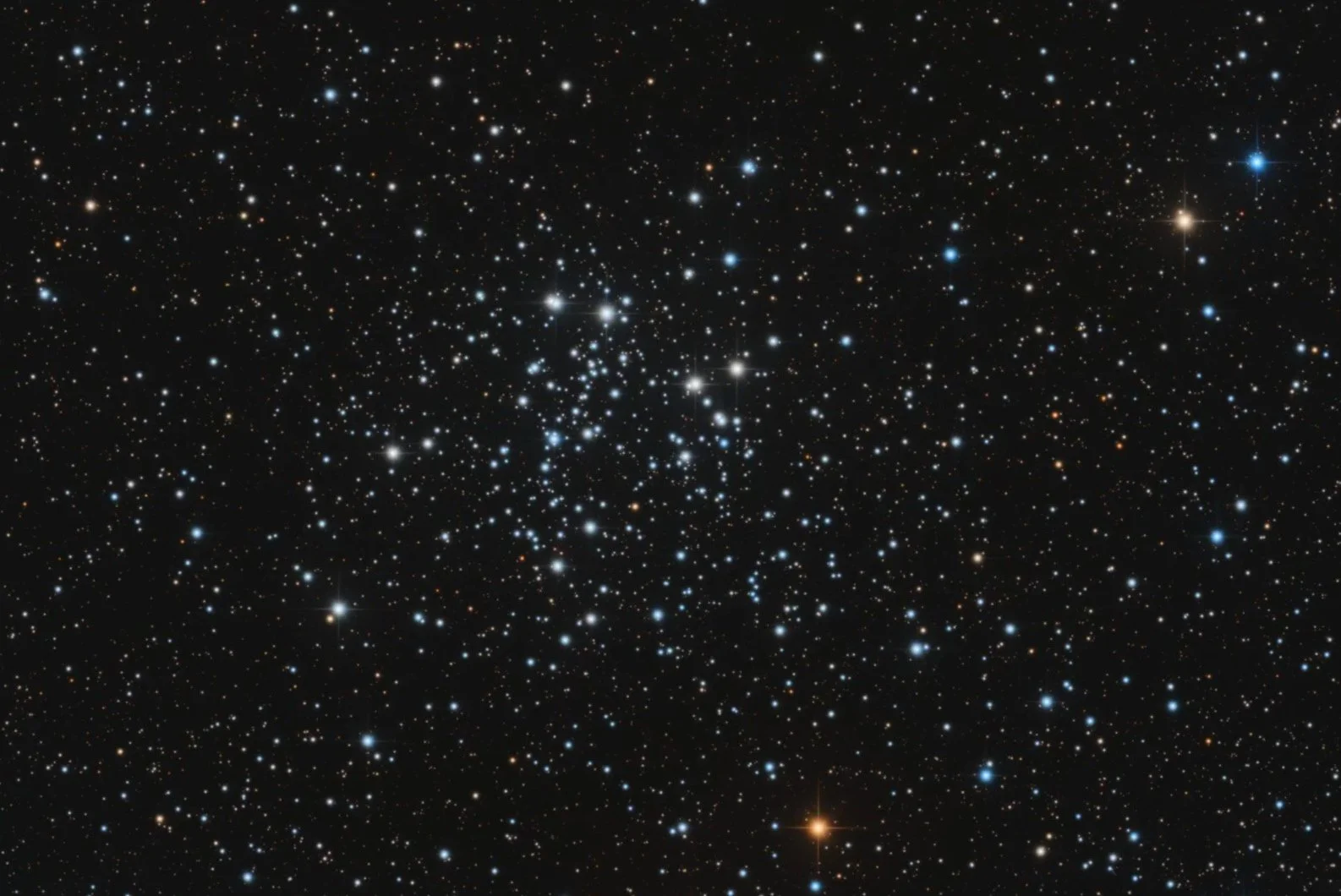
Caldwell 10
Caldwell 10, also known as NGC 663, is a young open cluster located 8,800 light years from Earth in the constellation of Cassiopeia. It has an estimated 400 stars and spans about a quarter of a degree across the sky. The star cluster is assumed to form part of the stellar association Cassiopeia OB8, that is located in the Perseus Arm of the Milky Way, along with the open clusters M103, NGC 654, NGC 659, and some supergiant stars scattered between them, all of them having similar ages and distances.
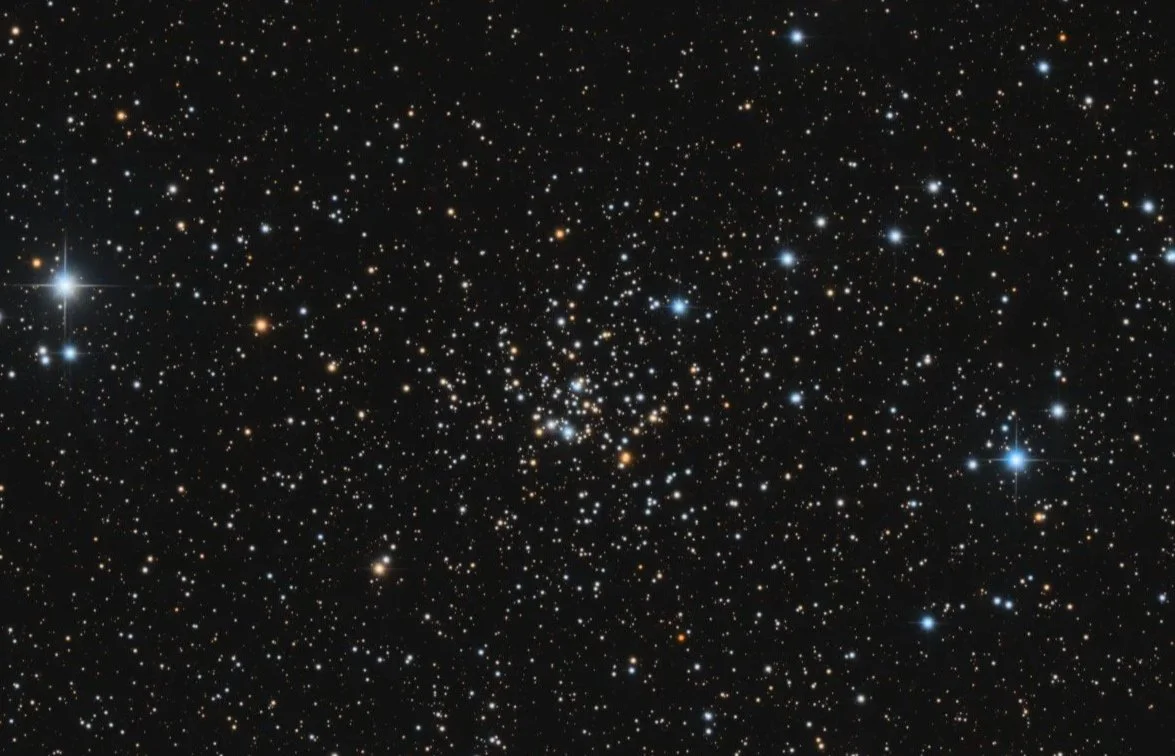
Caldwell 8
Caldwell 8 (NGC 559) is an open cluster in the constellation Cassiopeia. It was discovered by William Herschel on 9 November 1787. About 120 stars populate the cluster, but only about 40 of them are of magnitude 12 or brighter. It is located near the open cluster NGC 637, and the bright magnitude +2.2 irregular variable star Gamma Cassiopeiae. The cluster is 7 arcmins across. The object is also called Ghost's Goblet.
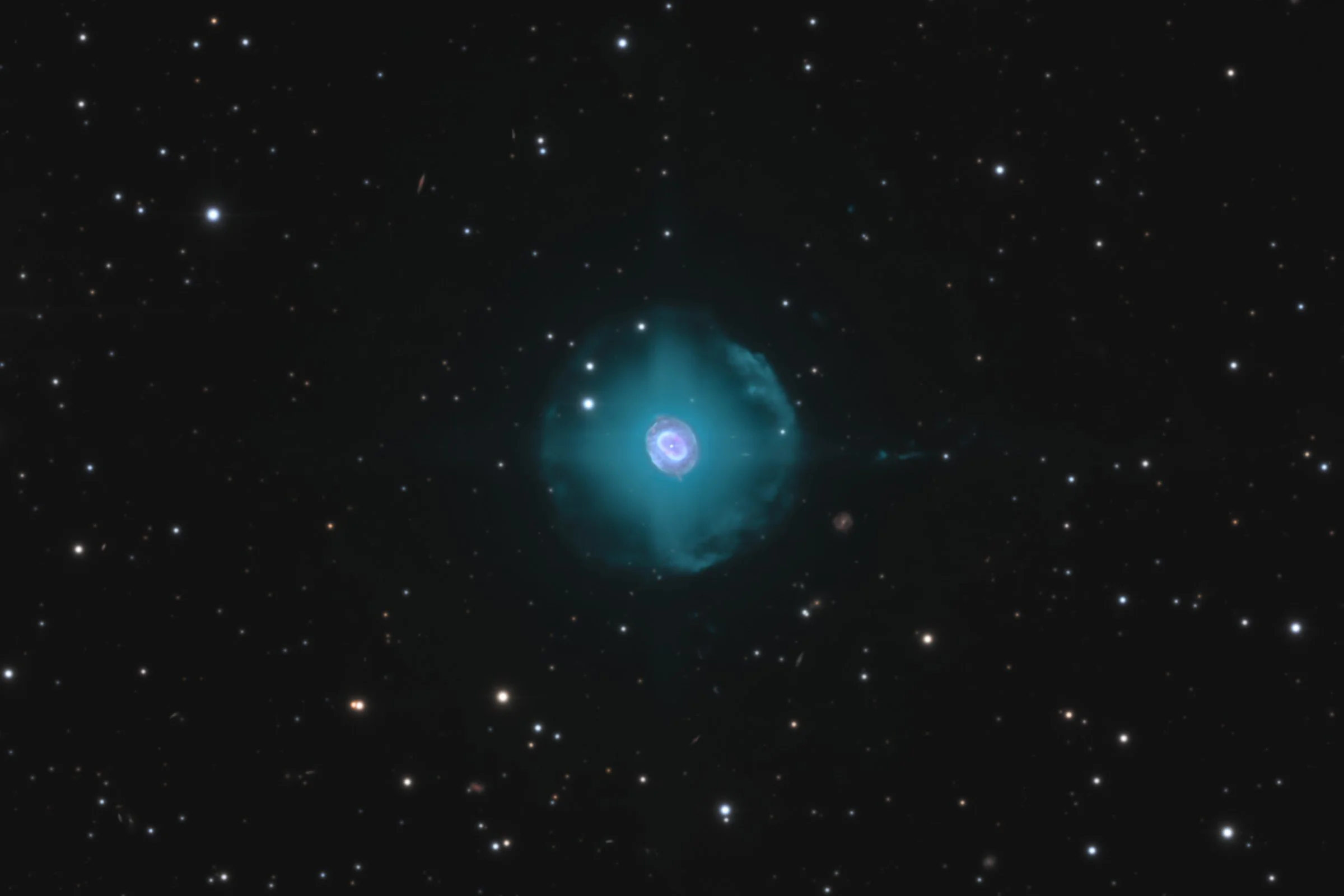
Caldwell 22
Caldwell 22, also known as NGC 7662 or te blue snowball nebula, is a planetary nebula in the constellation Andromeda. It was discovered on October 6, 1784 by William Herschel. Many photos focus on the bright core of the nebula itself. But there is a large envelope of faint OIII signal surrounding the nebula, which has been captured in this image as well.
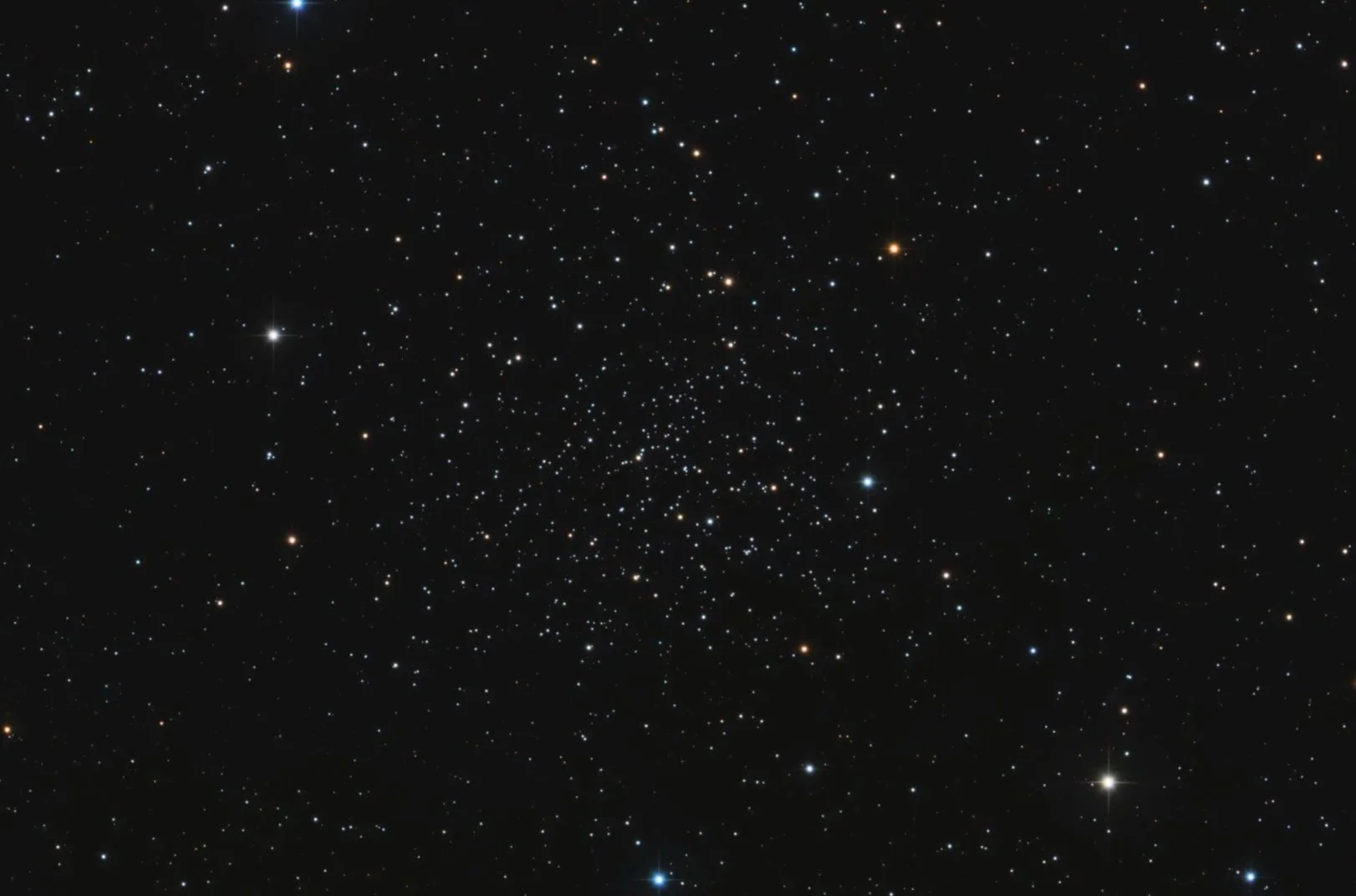
Caldwell 1
Caldwell 1, also known as NGC 188 or the Polarissima Cluster, is an open cluster in the constellation Cepheus. It was discovered by John Herschel in 1825. Unlike most open clusters, NGC 188 lies far above the plane of the galaxy and is one of the most ancient of open clusters known, at approximately 6.8 billion years old.
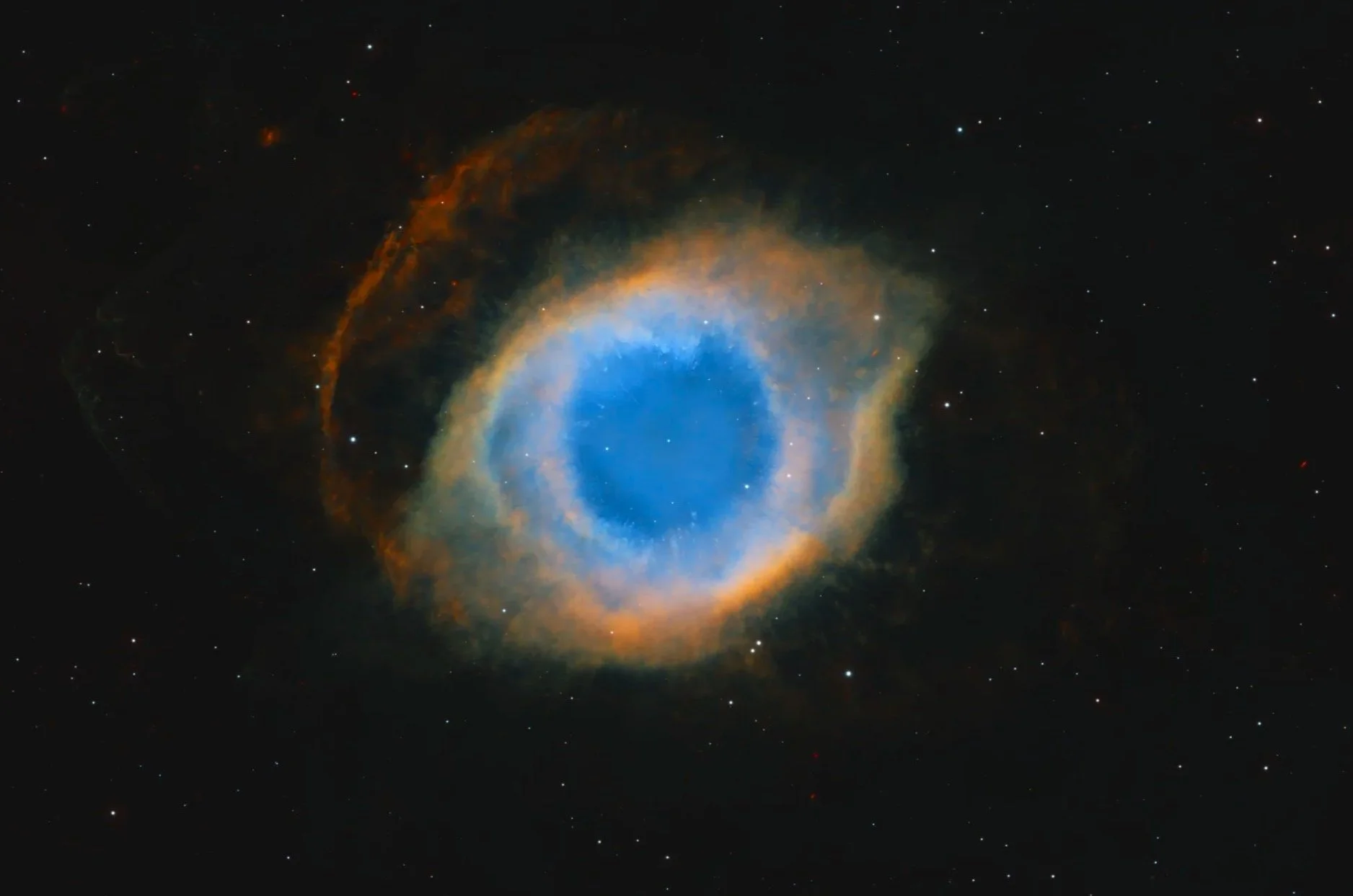
Caldwell 63
Caldwell 63, also known as NGC 7293 or the Helix Nebula, is a planetary nebula (PN) located in the constellation Aquarius. Discovered by Karl Ludwig Harding, most likely before 1824, this object is one of the closest of all the bright planetary nebulae to Earth. The distance, measured by the Gaia mission, is 655±13 light-years. Its age is estimated to be 10600 years. It is similar in appearance to the Cat's Eye Nebula and the Ring Nebula.

Caldwell 15
Caldwell 15, also known as NGC 6826 is a planetary nebula located in the constellation Cygnus. It is commonly referred to as the "Blinking Planetary". A distinctive feature of this nebula are the two bright patches on either side, which are known as Fast Low-Ionization Emission Regions, or FLIERS. They appear to be relatively young, moving outwards at supersonic speeds. Caldwell 15 is located at approximately 2000 lightyears from Earth.

Caldwell 51
Caldwell 51, also known as IC 1613, is an irregular dwarf galaxy located on the outskirts of the Local group (the galaxy ground that includes our Milky Way) in the constellation of Cetus. Caldwell 51 was discovered in 1906 by Max Wolf, and is approaching Earth at 234 km/s.

Caldwell 43
Caldwell 43 (also known as NGC 7814 or UGC 8) is a spiral galaxy about 40 million light-years away in the constellation Pegasus. The galaxy is seen edge-on from Earth. It is sometimes referred to as "the little sombrero", a miniature version of Messier 104. The star field behind NGC 7814 is known for its density of faint, remote galaxies. It's among the few bright galaxies that exhibit modest distortion and twisting of the galaxy's plane in optical wavelengths.

Arp77 | Caldwell 67
Arp77 consists of the larger barred spiral galaxy NGC 1097 and its smaller companion, the elliptical galaxy NGC 1097A. Located approximately 45 million light-years away in the constellation Fornax, these galaxies are engaged in a gravitational interaction that has visibly distorted their structures. NGC 1097, classified as a Seyfert galaxy, hosts an active galactic nucleus powered by a supermassive black hole, while the interaction with NGC 1097A has sparked intense starburst activity and created a striking ring of star formation around its core.
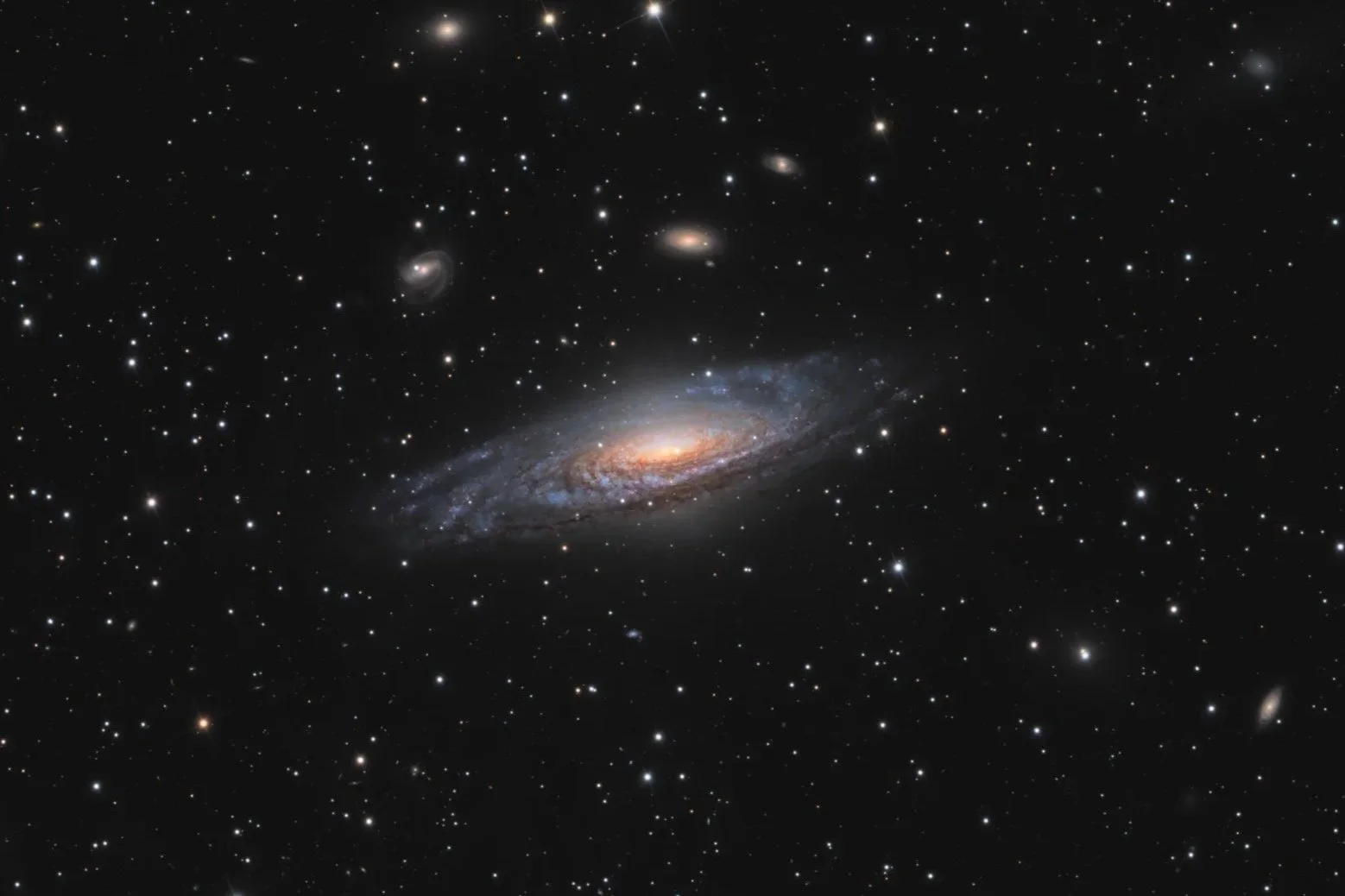
Caldwell 30
Caldwell 30, also known as NGC 7331, is an unbarred spiral galaxy about 43.79 million light-years away in the constellation Pegasus. It was discovered by William Herschel on 6 September 1784. The galaxy appears similar almost in size and structure to the Milky Way, and is sometimes referred to as "the Milky Way's twin".

Caldwell 19 | Sh2-125
Caldwell 19, or the Cocoon nebula, is a well known reflection/emission nebula in the constellation Cygnus. It is also member of the Sharpless II catalogue. The nebula is about 4,000 light-years away from us and the central star that ionises the surrounding gas is approximately 100,000 years old.

Caldwell 21
Caldwell 21 is an irregular galaxy located approximately 12.5 million light-years away in the constellation Canes Venatici. It is part of the M94 Group, a collection of galaxies in the vicinity of the Milky Way. Caldwell 21 is notable for its active star formation, which is evident from the numerous young, blue star clusters and pinkish star-forming regions scattered throughout the galaxy.