
Images
Deep Sky Objects and members of the Solar System
captured, processed and displayed below
Deep Sky Objects
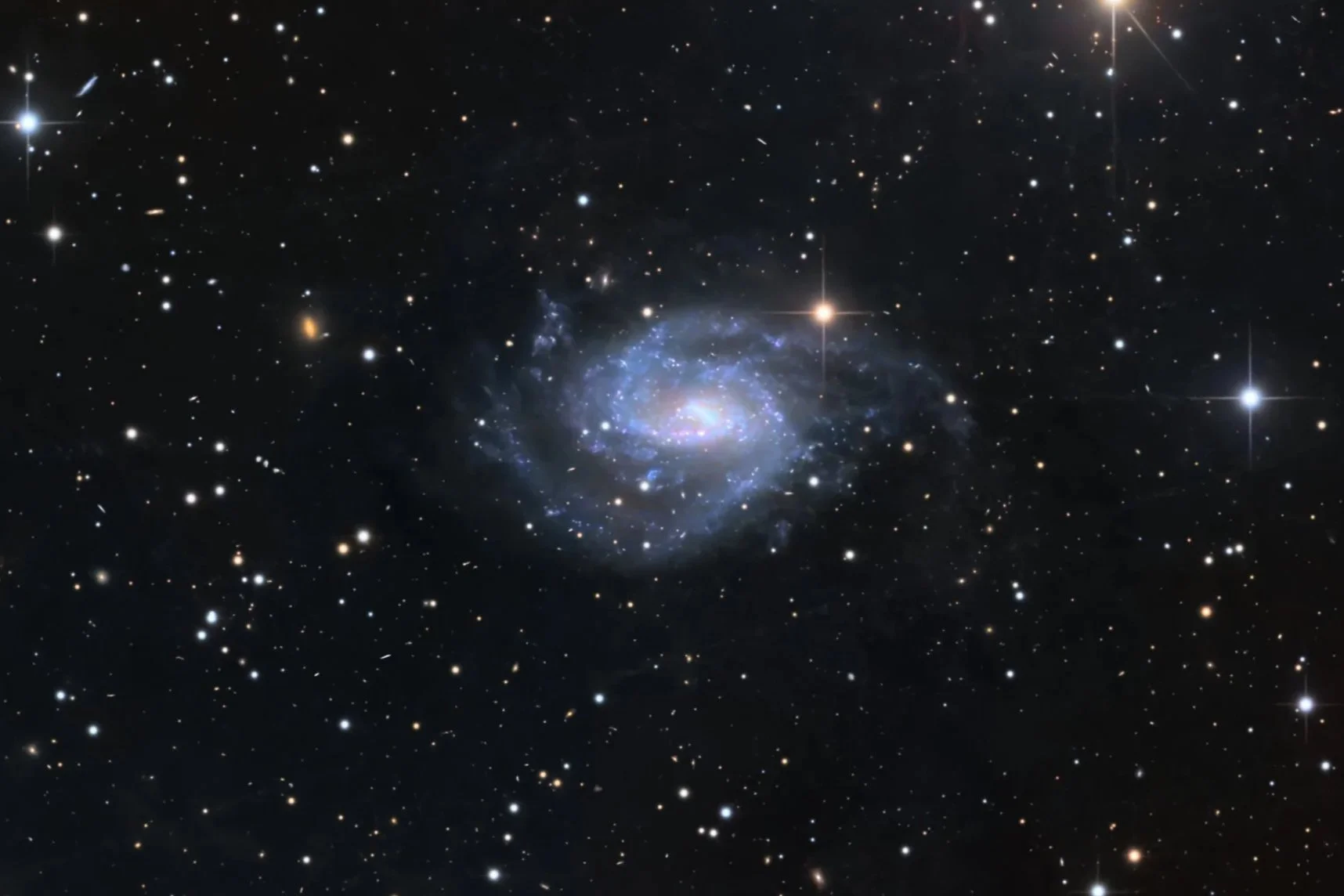
NGC 6140 is a barred spiral galaxy located in the constellation Draco. Estimates on the distance of NGC 6140 vary between 26 and 42 million light-years. The galaxy has an apparent diameter of around 6 arcminutes and an apparent magnitude of 11.2. It is classified as SB(s)cd pec — a loosely wound, barred spiral with a peculiar designation reflecting structural irregularities that set it apart from a standard spiral morphology.
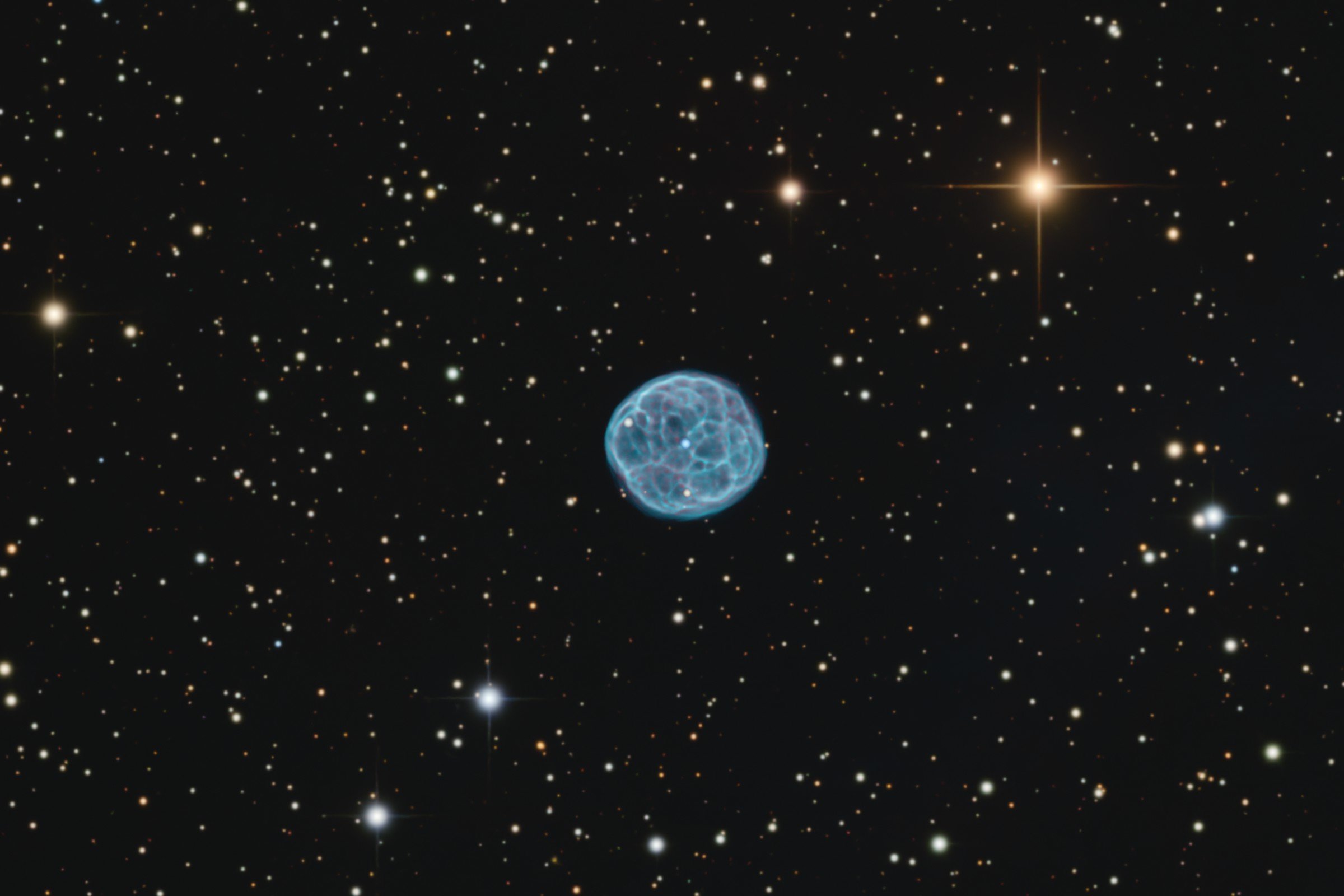
Abell 43 is a planetary nebula located in the constellation Ophiuchus. It was discovered by George Ogden Abell in 1955. The nebula has an apparent diameter of approximately 80 arcseconds on the sky. Due to the filamentary surface structures, it has been informally referred to as one of the galactic soccer balls. These structures are thought to arise from instabilities in the dense, expanding nebular shell. The central star of Abell 43, is an extremely hot evolved star. It is a hybrid PG 1159 star. These are intermediate objects transitioning from planetary nebula central stars to white dwarfs. The star has been confirmed as a pulsating variable, with periods of roughly 2,400 to 6,000 seconds
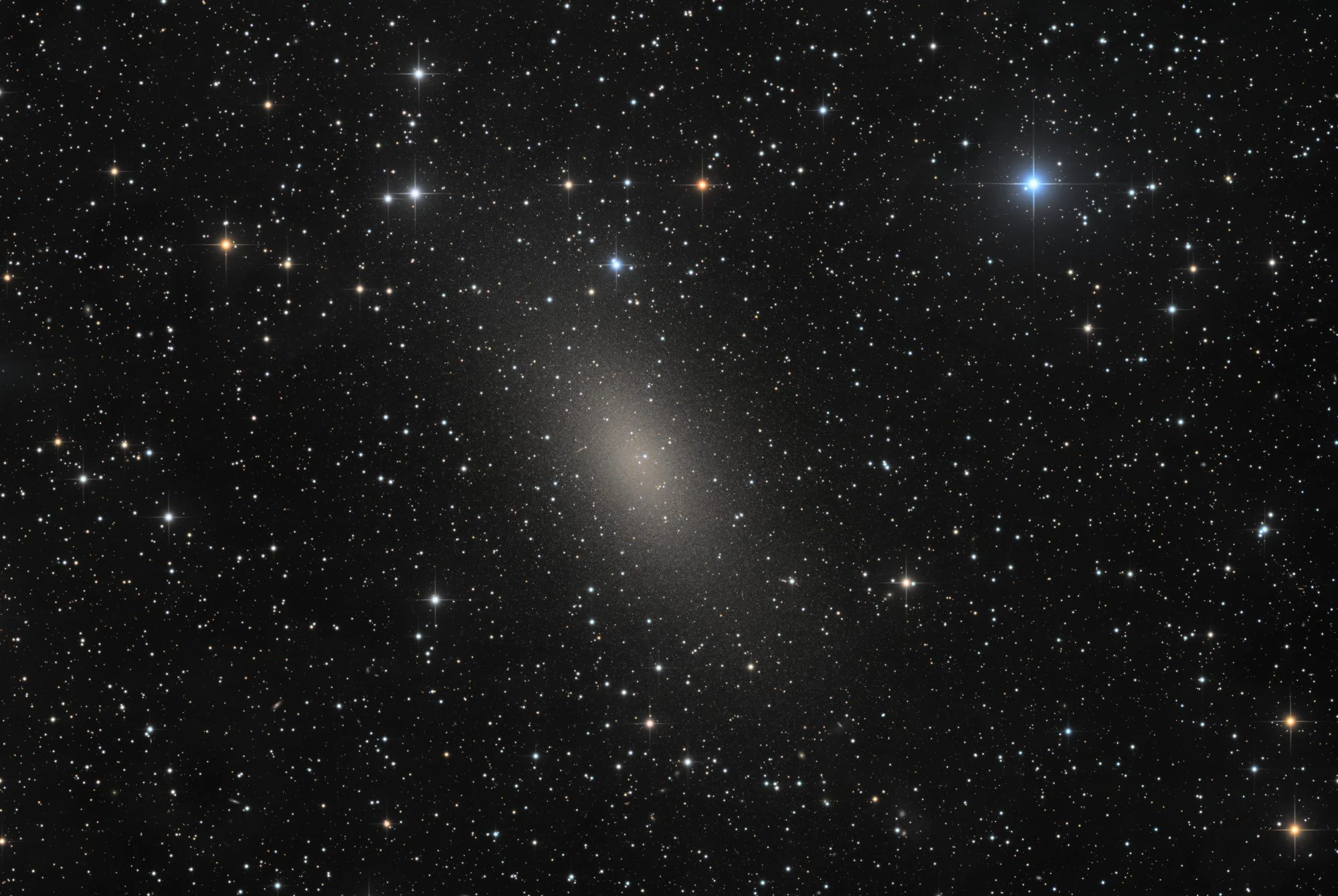
Caldwell 17, also known as NGC 147, is a dwarf spheroidal galaxy located in the constellation Cassiopeia. It was discovered by John Herschel on September 8, 1829. NGC 147 lies at a distance of approximately 2.5 million light-years from Earth and is a member of the Local Group of galaxies. It is a satellite galaxy of the Andromeda Galaxy. NGC 147 is one of the few galaxies in which globular clusters can be resolved. In this image all four clusters identified by Paul Hodge in 1976 and classified as Hodge I through IV are resolved.
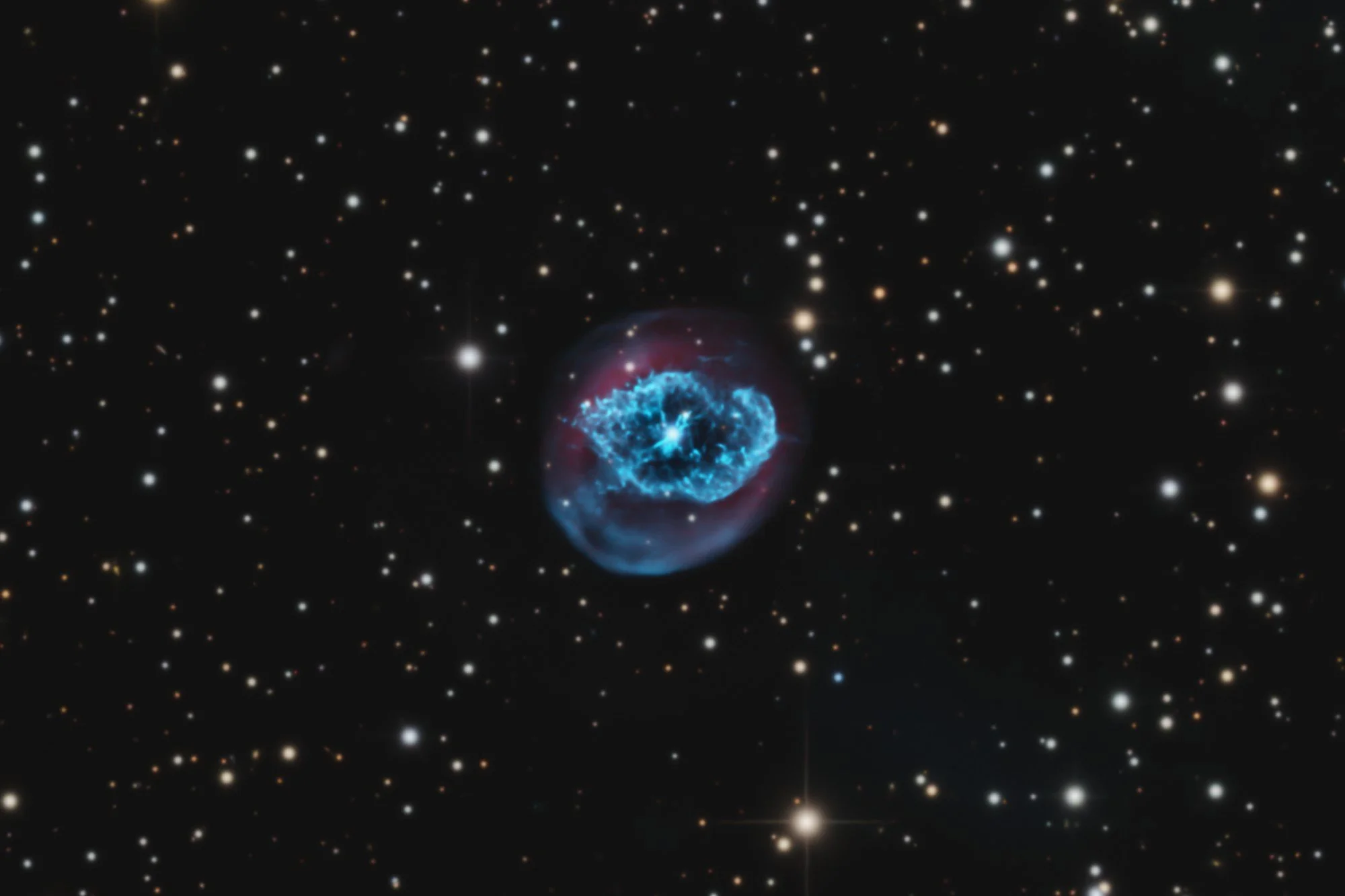
Abell 78 is a planetary nebula located in the constellation Cygnus. It was discovered by George Ogden Abell in 1955. Abell 78 lies at a distance of approximately 5,000 light-years from Earth and spans roughly 2.8 light-years in diameter, giving it an apparent size of around 1.8 arcminutes on the sky. Its outer shell consists of an ellipsoidal hydrogen-rich envelope expanding at approximately 40 kilometres per second, while a much more energetic inner region of hydrogen-poor material expands at velocities of up to 200 kilometres per second.
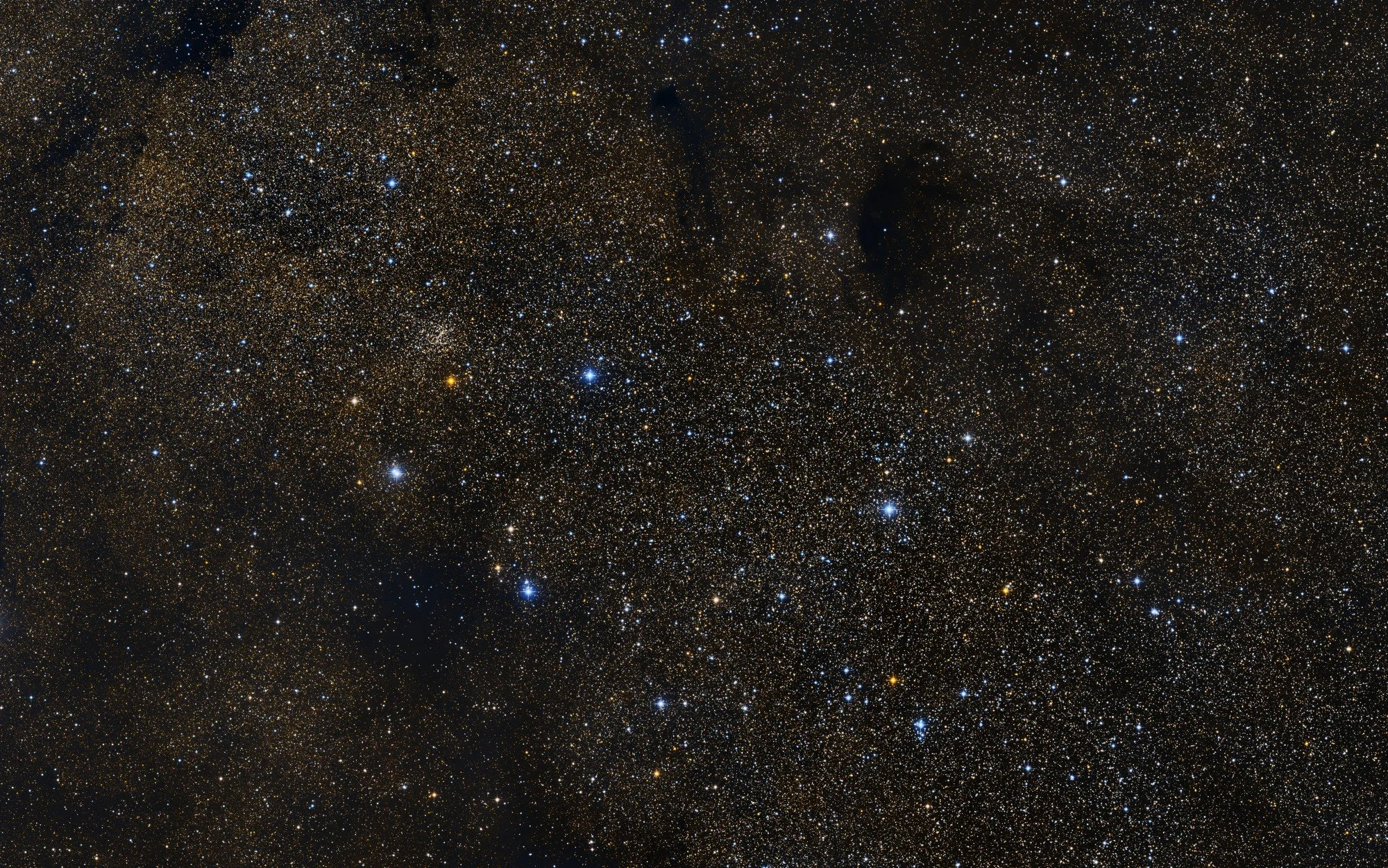
Messier 24, also known as IC 4715, is a star cloud located in the constellation Sagittarius and is commonly known as the Small Sagittarius Star Cloud. It is a very large object and could only be imaged using a 3×3 mosaic. The resulting image has an impressive overall resolution of 102 Megapixels. For a description of the mosaic technique a separate blog has been written.
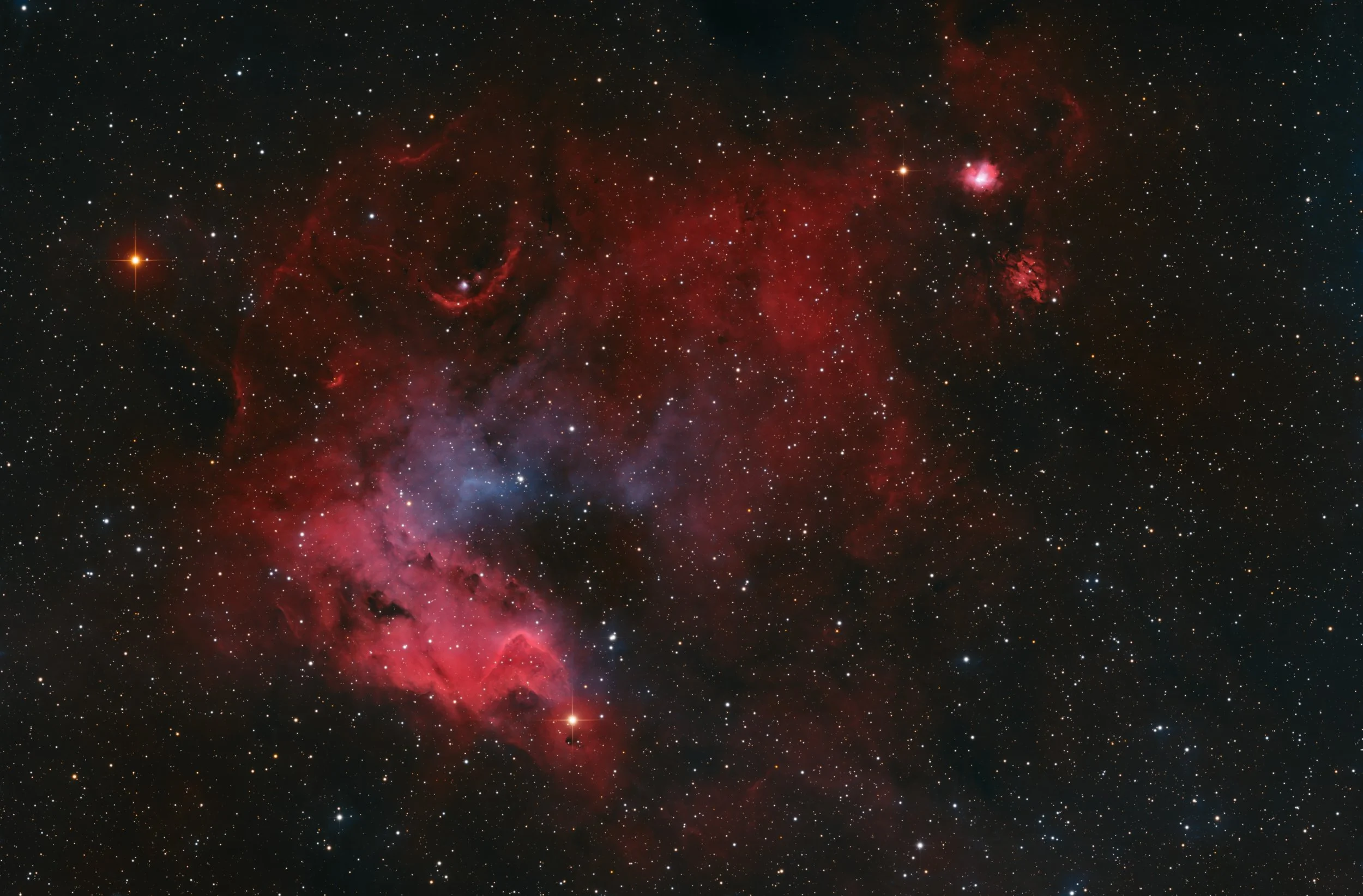
Sh2-138 and Sh2-139 are emission nebulae located in the constellation Cepheus. They are part of the Sharpless catalogue, compiled by Stewart Sharpless and published in 1959. It is a busy area when it comes to Sharpless objects, with the well known Wizard Nebula (Sh2-142) nearby. There is a lot of controversy about the distance of these two objects, with estimates ranging from around 2,500 light-years up to 10,000 light-years.
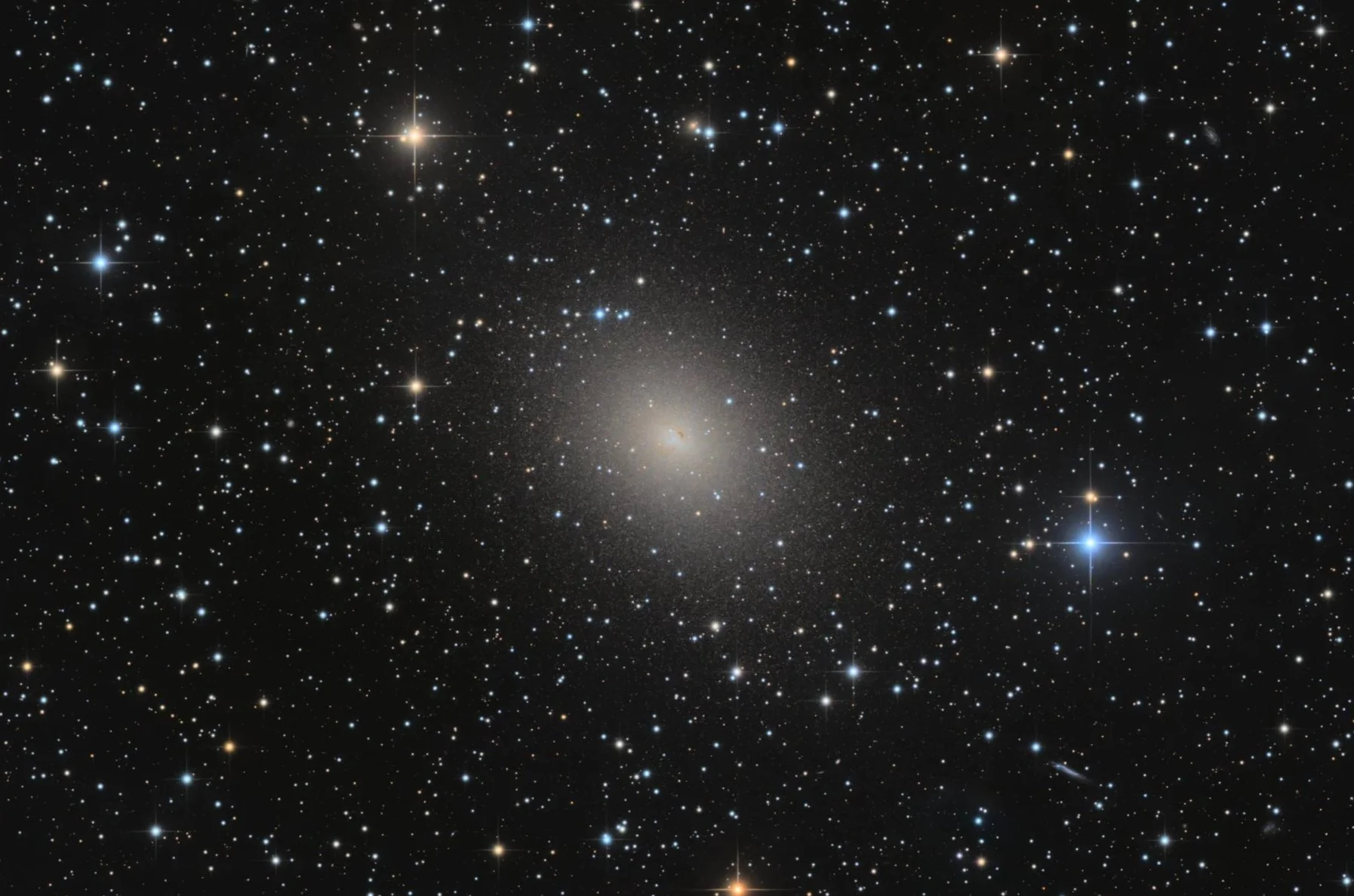
Caldwell 18, also known as NGC 185, is a dwarf spheroidal galaxy located in the constellation Cassiopeia. It was discovered by William Herschel on November 30, 1787. Caldwell 18 lies at a distance of approximately 2 million light-years from Earth, placing it firmly within the Local Group and making it a satellite galaxy of the Andromeda Galaxy, M31.
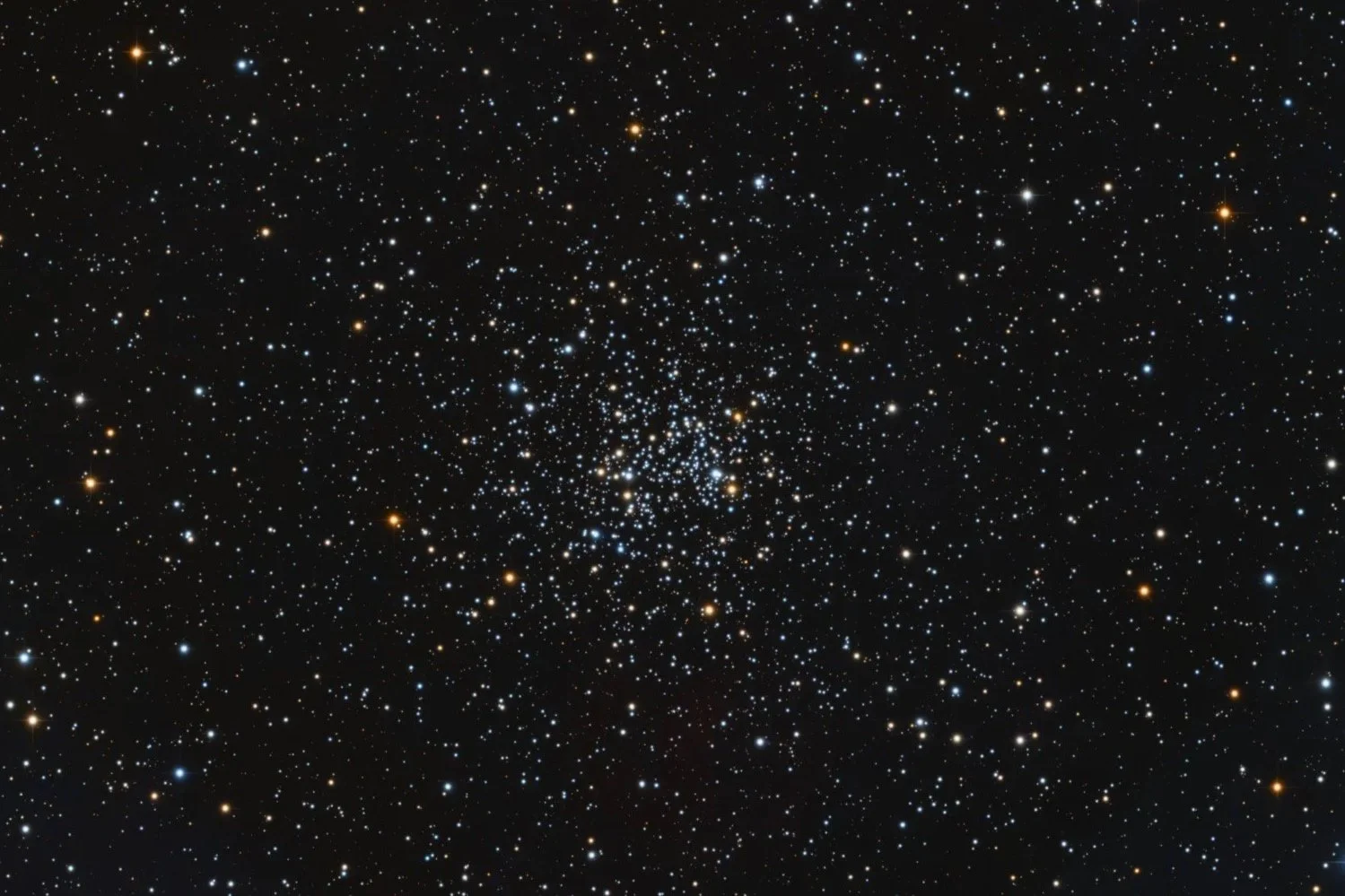
Caldwell 54, also known as NGC 2506, is an open star cluster located in the constellation Monoceros, the Unicorn. It was discovered by William Herschel on March 1, 1791. NGC 2506 lies at a distance of approximately 10,000 light-years from Earth. It spans a true diameter of roughly 25 light-years and reaches an apparent magnitude of around 7.6.
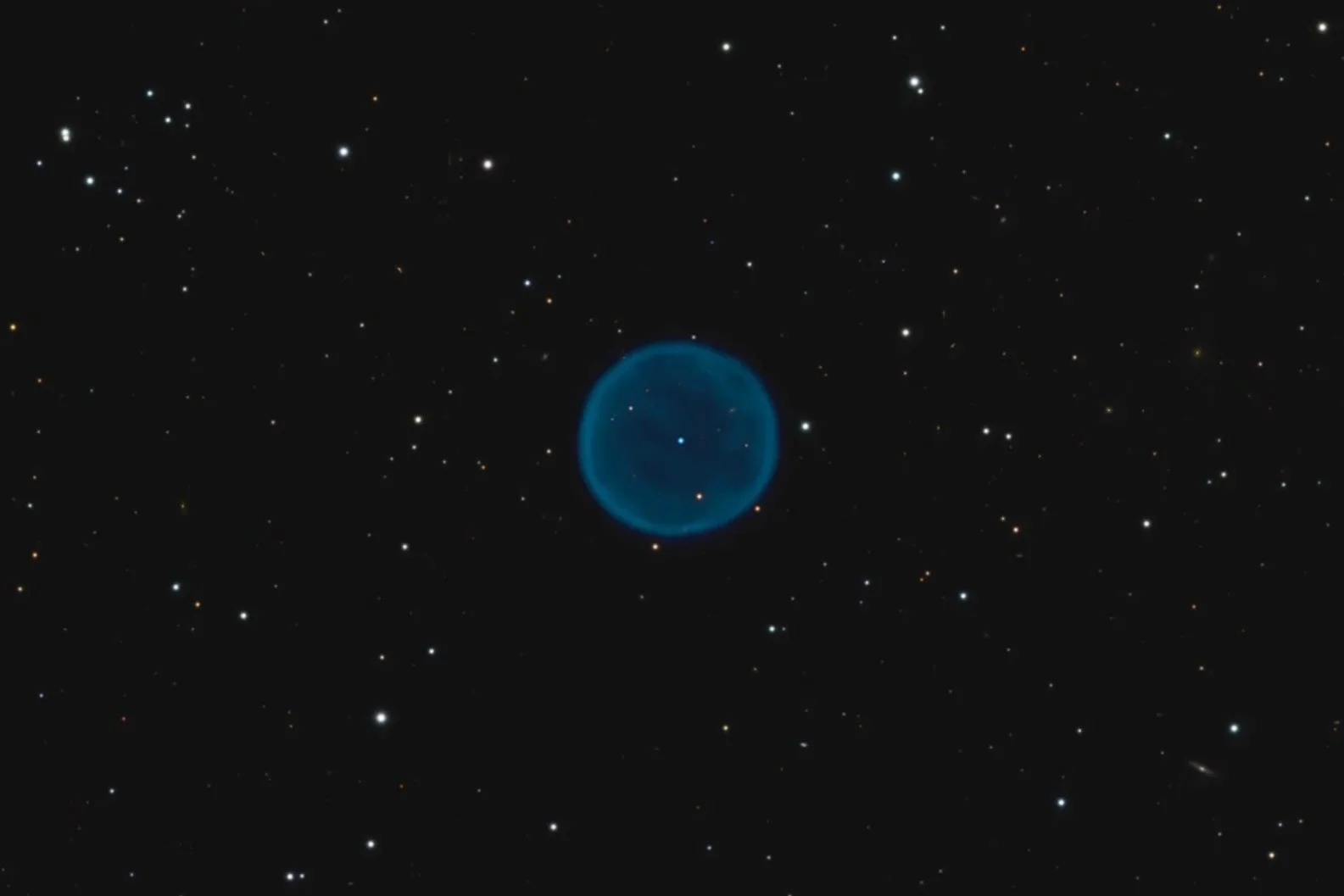
Abell 39, also known as PN A66 39, is a planetary nebula located in the constellation Hercules. Abell 39 lies at a distance of approximately 6,800 light-years from Earth. It spans a true diameter of roughly 5 light-years and has an apparent diameter of around 2.7 arcminutes on the sky. At its centre sits a hot white dwarf, the remnant of the star that shed its outer layers to create the nebula, estimated to have occurred around 22,000 years ago.
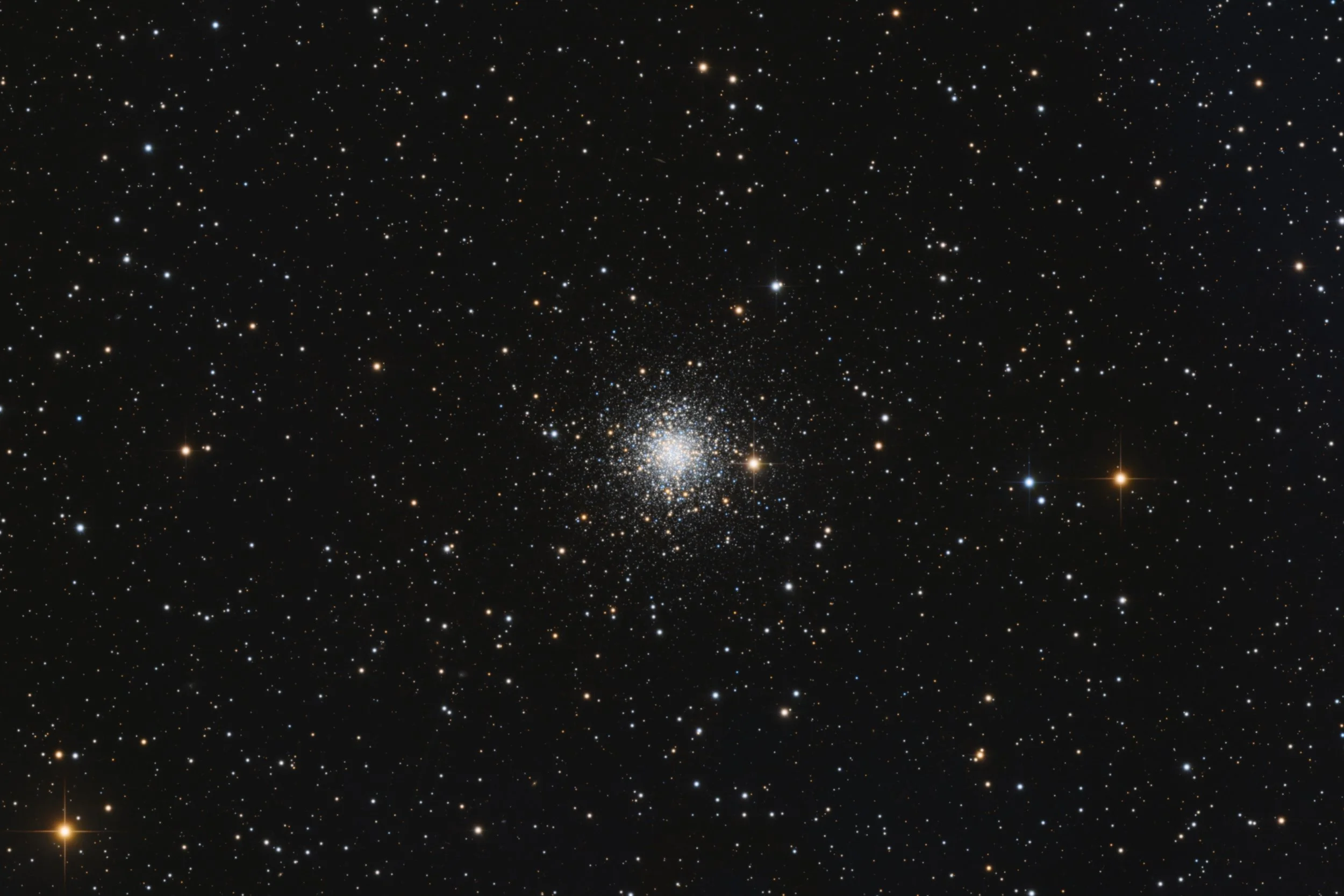
Caldwell 47, also known as NGC 6934, is a globular cluster located in the constellation Delphinus. It was discovered by William Herschel on September 24, 1785. C47 lies at a distance of approximately 50,000 light-years from Earth, placing it well out in the outer halo of the Milky Way.
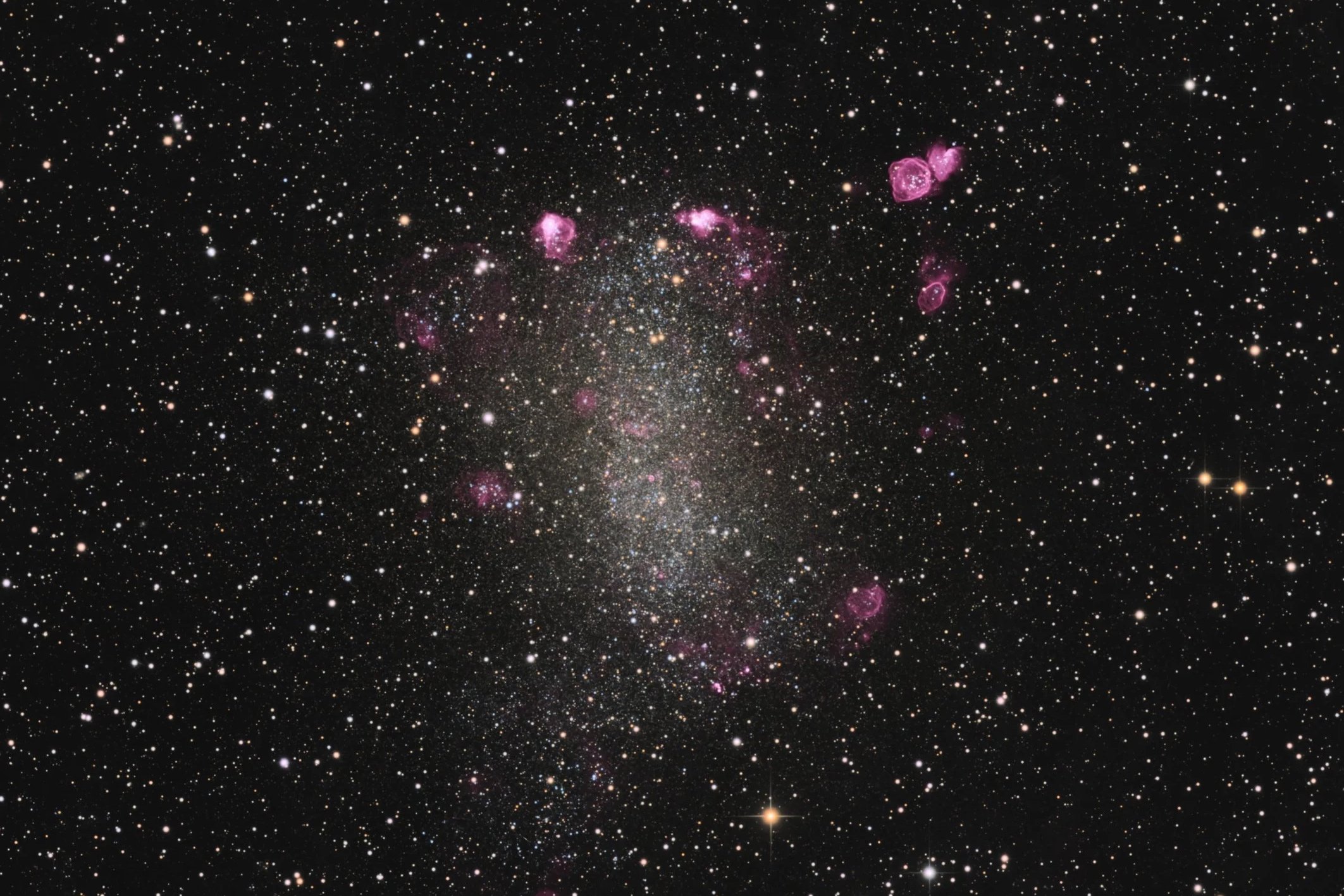
Caldwell 57 is a dwarf irregular galaxy located in the constellation Sagittarius. It was discovered by Edward Emerson Barnard in 1884, and is commonly known as Barnard's Galaxy. The galaxy is a member of the Local group. It spans a true diameter of roughly 7,000 light-years, making it considerably smaller than the Milky Way. C57 contains several bright HII regions and star-forming nebulae visible in narrowband imaging. The Hubble Space Telescope photographed these individual nebulae and they carry a Hubble naming sequence.
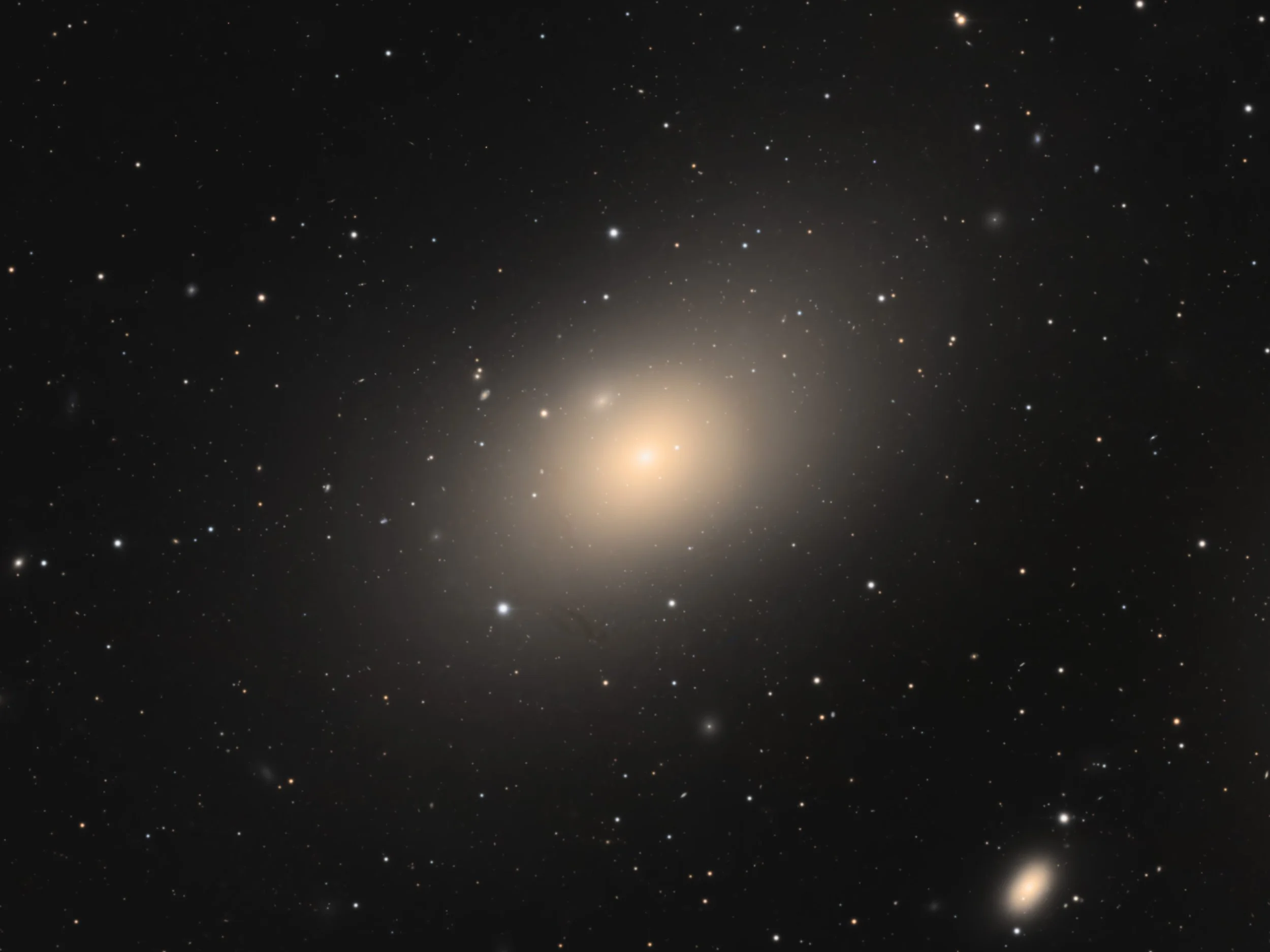
Messier 86, also known as NGC 4406, is a lenticular or elliptical galaxy located in the constellation Virgo. It was discovered by Charles Messier on March 18, 1781. M86 lies at a distance that has been the subject of some debate, with estimates ranging from around 52 to 60 million light-years. It is one of the largest and most luminous galaxies in the cluster, spanning roughly 135,000 light-years in diameter, and reaches an apparent magnitude of around 8.9, making it marginally brighter in appearance than its near neighbour M84, with which it is imaged together here. Like M88 and M90, M86 is one of the relatively rare galaxies that exhibits a blueshift rather than a redshift, indicating it is moving toward the Milky Way.
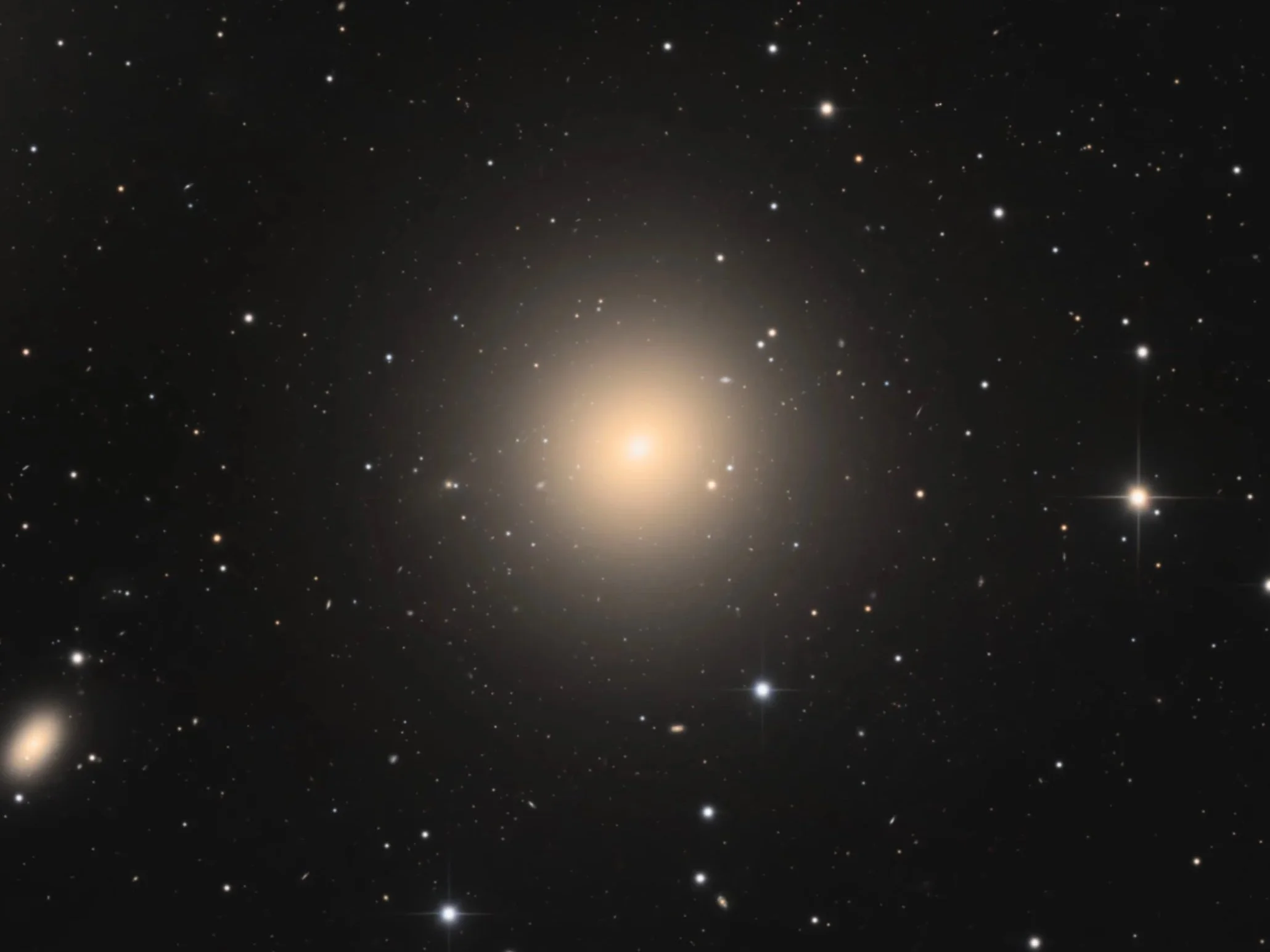
Messier 84, also known as NGC 4374, is a lenticular or elliptical galaxy located in the constellation Virgo. It was discovered by Charles Messier on March 18, 1781. M84 lies at a distance of approximately 60 million light-years from Earth and is one of the most prominent members of the Virgo Cluster, sitting near the heart of Markarian's Chain — an alignment of galaxies that includes M84, M86, and several NGC objects. M84 itself spans roughly 80,000 light-years in diameter and reaches an apparent magnitude of around 9.1.
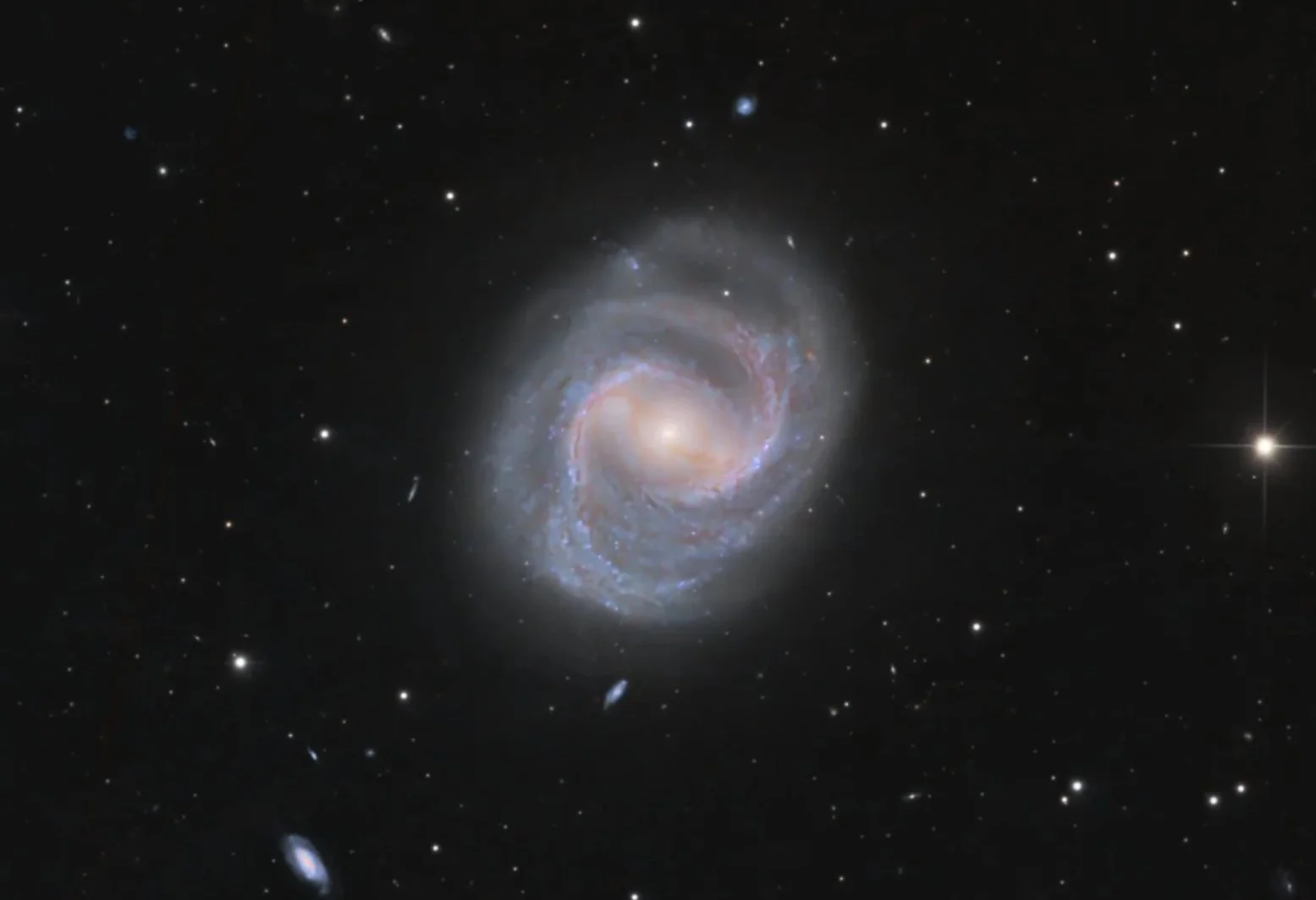
Messier 91, also known as NGC 4548, is a barred spiral galaxy located in the constellation Coma Berenices. Due to an error in the recorded position made by Messier, this obejct has been referenced as a "missing Messier objects" for a long time. In 1969, amateur astronomer William C. Williams determined the systematic offset in Messier's recordings and allocated M91 unambiguously to NGC 4548. M91 lies at a distance of approximately 63 million light-years from Earth and is a member of the Virgo Cluster.
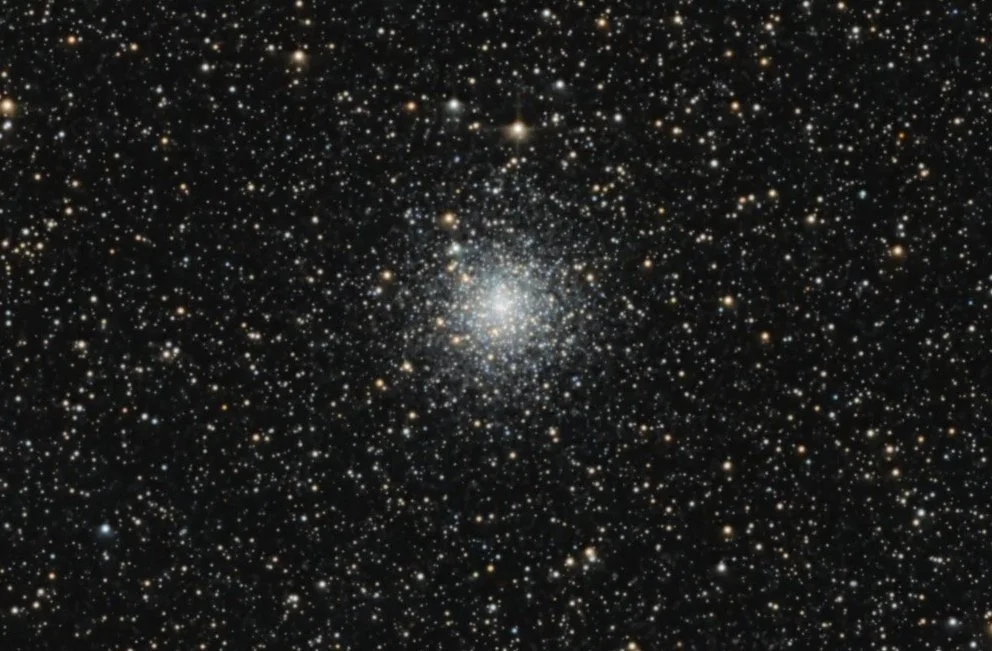
Messier 70, also known as NGC 6681, is a globular cluster located in the constellation Sagittarius. It was discovered by Charles Messier on August 31, 1780. M70 lies at a distance of approximately 29,400 light-years from Earth and spans a true diameter of roughly 68 light-years, making it one of the smaller and more compact globular clusters in the Messier catalogue.
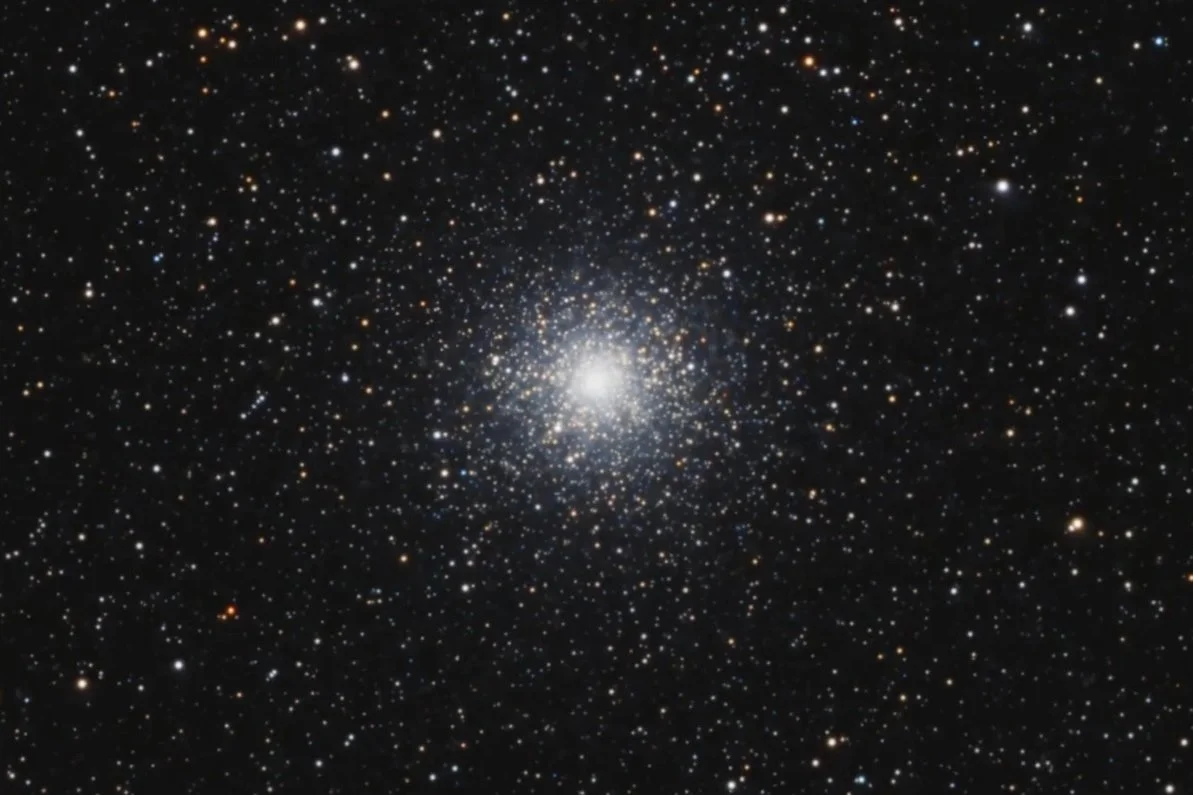
Messier 54, also known as NGC 6715, is a globular cluster located in the constellation Sagittarius. It was discovered by Charles Messier on July 24, 1778. M54 lies at a distance of approximately 87,000 light-years from Earth, making it considerably more distant than most other globular clusters in the Messier catalogue. It spans a true diameter of roughly 150 light-years and reaches an apparent magnitude of around 7.6, making it a moderately bright but compact target that requires reasonable aperture to begin resolving into individual stars. What makes M54 especially notable is that it does not actually belong to the Milky Way. In 1994, astronomers determined that the cluster is in fact a satellite of the Sagittarius Dwarf Spheroidal Galaxy.
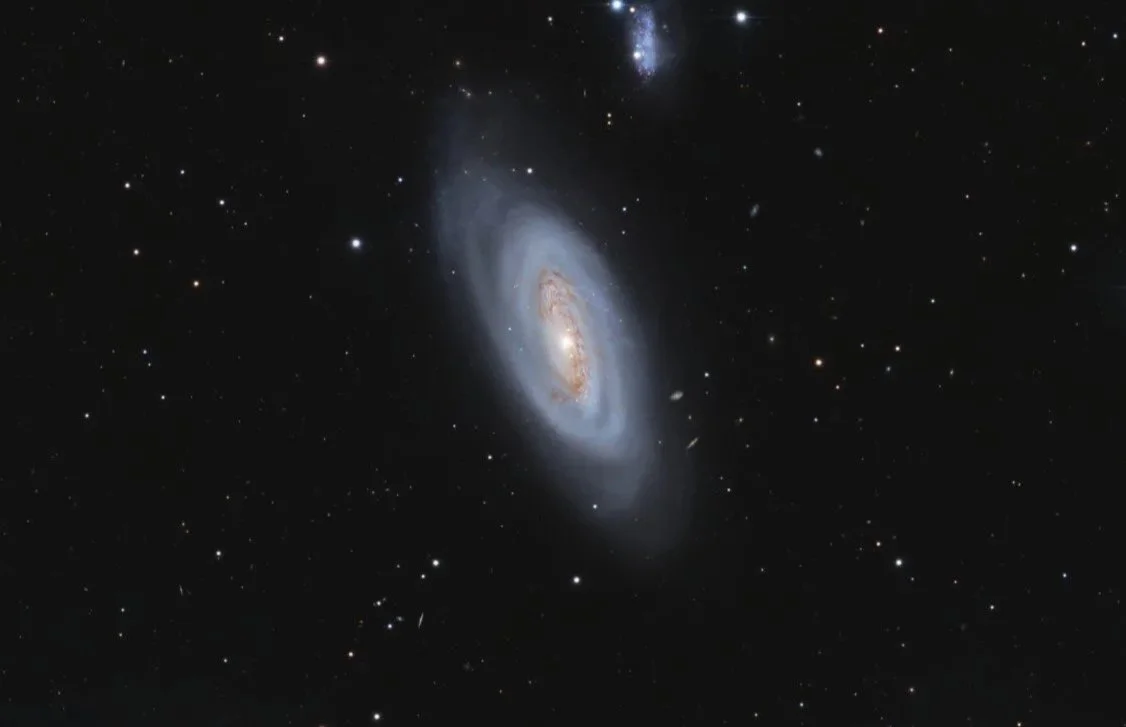
Messier 90 is a spiral galaxy located in the constellation Virgo. It was discovered by Charles Messier on March 18, 1781. M90 lies at a distance of approximately 59 million light-years from Earth and is one of the larger and brighter spiral galaxies in the Virgo Cluster. It spans roughly 130,000 light-years in diameter, making it somewhat larger than our Milky Way. Like M88, it is one of a small number of Virgo Cluster galaxies moving toward the Milky Way rather than away from it, but M90 stands out further for having an exceptionally high blueshift velocity, among the largest of any galaxy in the cluster.
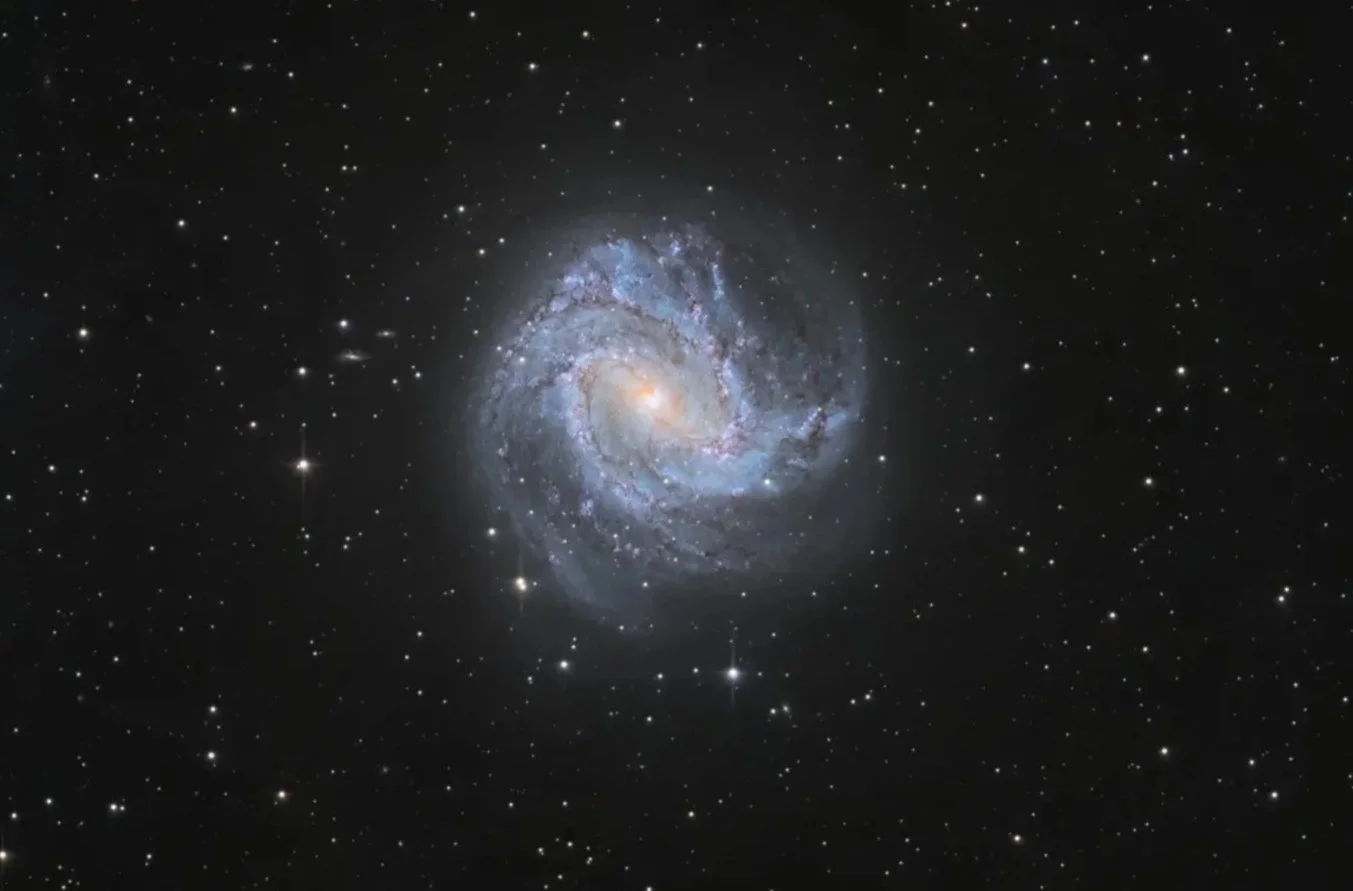
Messier 83, also known as NGC 5236, is a barred spiral galaxy located in the constellation Hydra, near the border with Centaurus. It was discovered by Nicolas Louis de Lacaille on February 23, 1752, during an observing expedition to the Cape of Good Hope in South Africa, making it one of the few Messier objects first observed from the southern hemisphere. It was later catalogued by Charles Messier in 1781. The galaxy is commonly known as the Southern Pinwheel Galaxy. M83 lies at a distance of approximately 15 million light-years from Earth, and spans roughly 40,000 light-years in diameter. With an apparent magnitude of around 7.5, it is one of the brightest galaxies in the Messier catalogue. M83 is one of the most prolific supernova host galaxies known, with six confirmed supernovae recorded since 1923, among the highest count for any single galaxy observed.
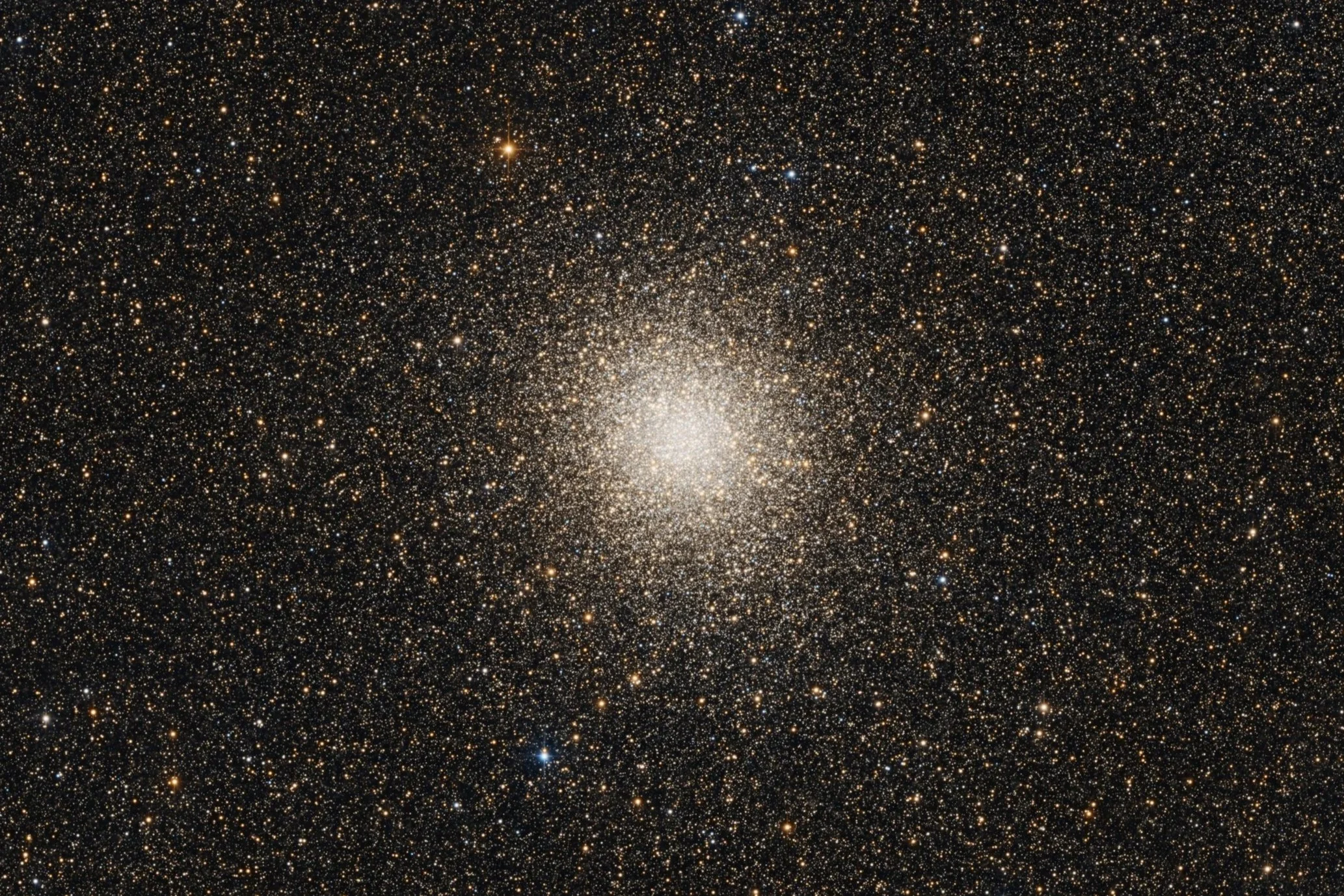
Messier 22, also known as NGC 6656, is a globular cluster located in the constellation Sagittarius. It is one of the earliest globular clusters to be discovered, first noted by Johann Abraham Ihle in 1665. M22 lies at a distance of approximately 10,600 light-years from Earth. It spans a true diameter of roughly 100 light-years and has an apparent diameter of around 32 arcminutes, making it one of the largest globular clusters in apparent size as seen from Earth. It contains an estimated 70,000 to 100,000 stars and reaches an apparent magnitude of around 5.1, making it one of the brightest globular clusters in the sky.
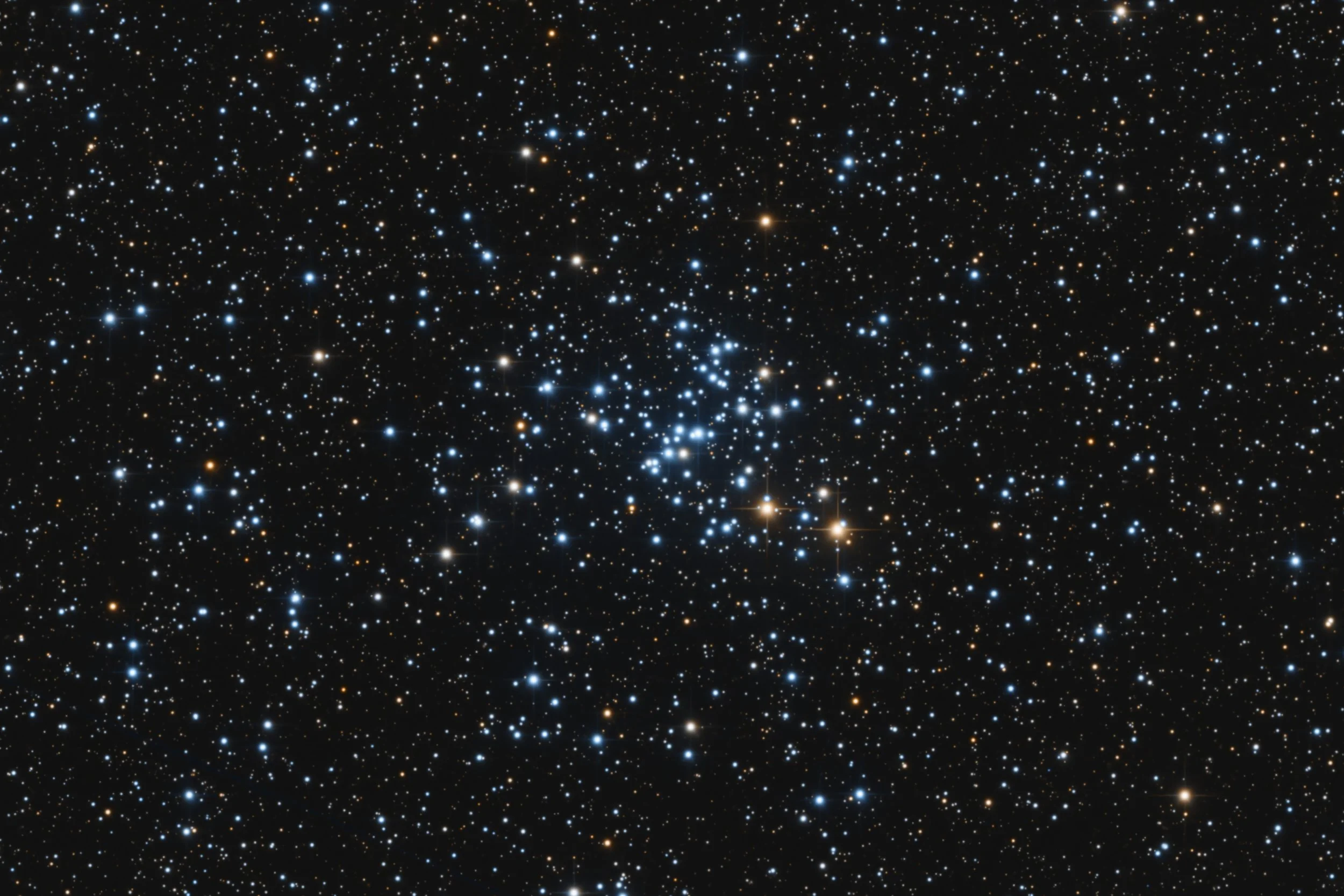
Messier 93, also known as NGC 2447, is an open star cluster located in the constellation Puppis, in the same rich stretch of the winter Milky Way that contains several other Messier open clusters including M46 and M47. It was discovered by Charles Messier on March 20, 1781. M93 lies at a distance of approximately 3,600 light-years from Earth and spans a true diameter of roughly 25 light-years. It is estimated to be around 100 million years old, making it somewhat older than M21 or M47 but still a relatively young open cluster.
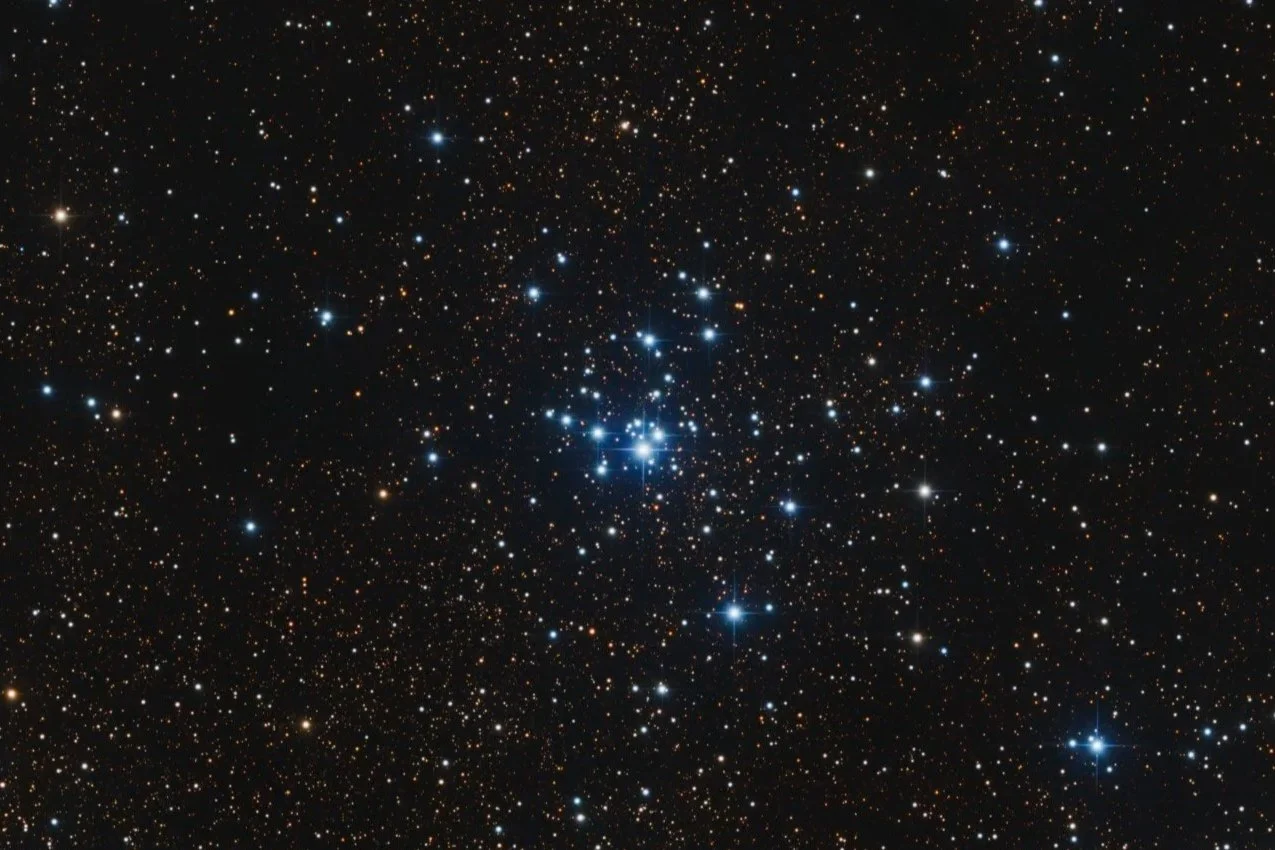
Messier 21, also known as NGC 6531, is an open star cluster located in the constellation Sagittarius. It was discovered by Charles Messier on June 5, 1764, during the same observing session in which he also catalogued M20, the Trifid Nebula, which lies only around 40 arcminutes to the northwest. The two objects lie at different distances and are therefore an optical rather than a physical pairing. M21 lies at a distance of approximately 4,250 light-years from Earth and spans a true diameter of roughly 13 light-years. It is a young cluster, estimated at around 4 to 5 million years old.
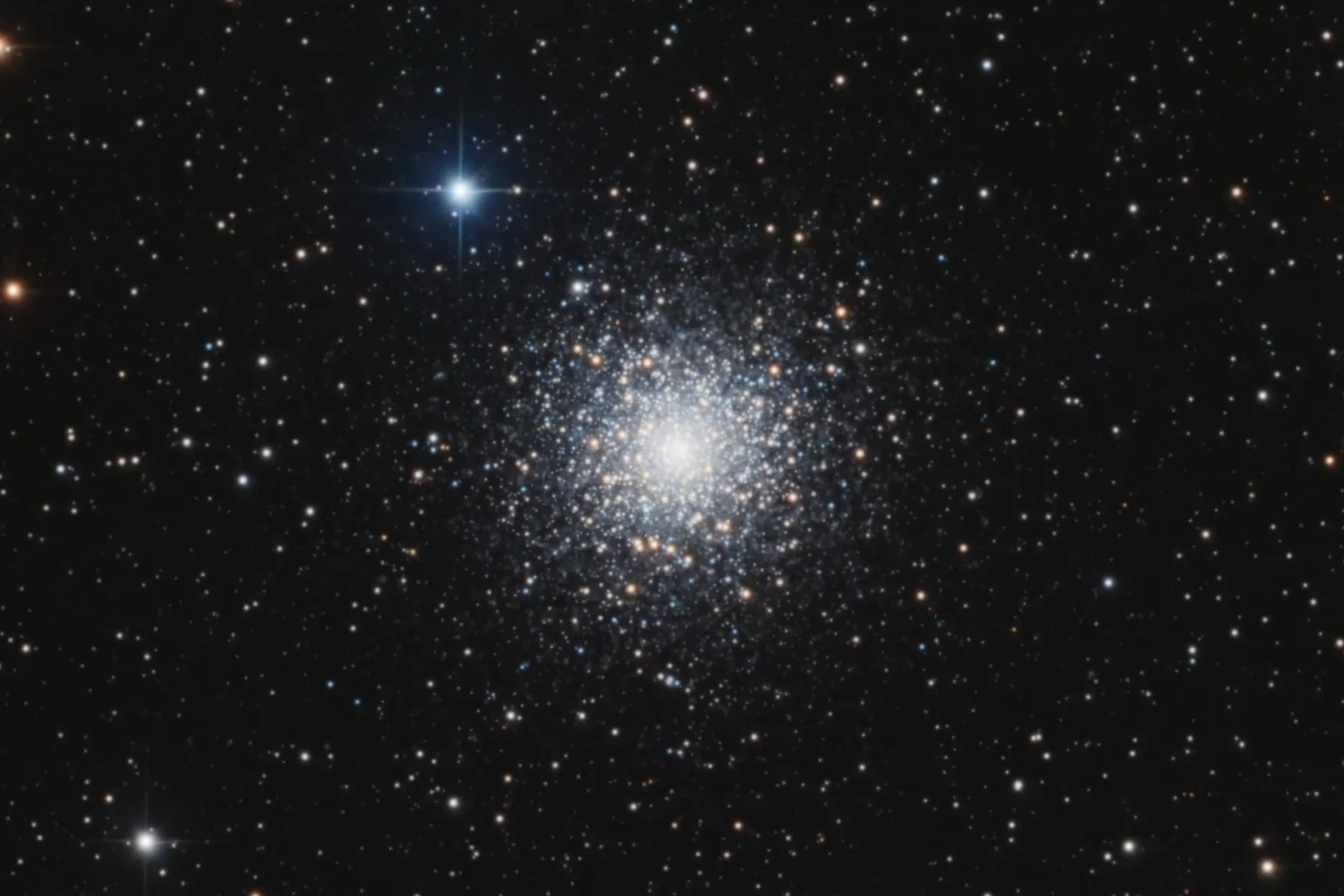
Messier 80, also known as NGC 6093, is a globular cluster located in the constellation Scorpius. It was discovered by Charles Messier on January 4, 1781. M80 lies at a distance of approximately 32,600 light-years from Earth, placing it in the inner regions of the Milky Way and relatively close to the galactic centre.M80 holds a notable place in astronomical history as the site of a recorded nova in 1860, designated T Scorpii. At its peak it briefly became bright enough to be visible to the naked eye and was for a short time the brightest star in Scorpius, making it one of the most dramatic nova events observed within a globular cluster in the 19th century.
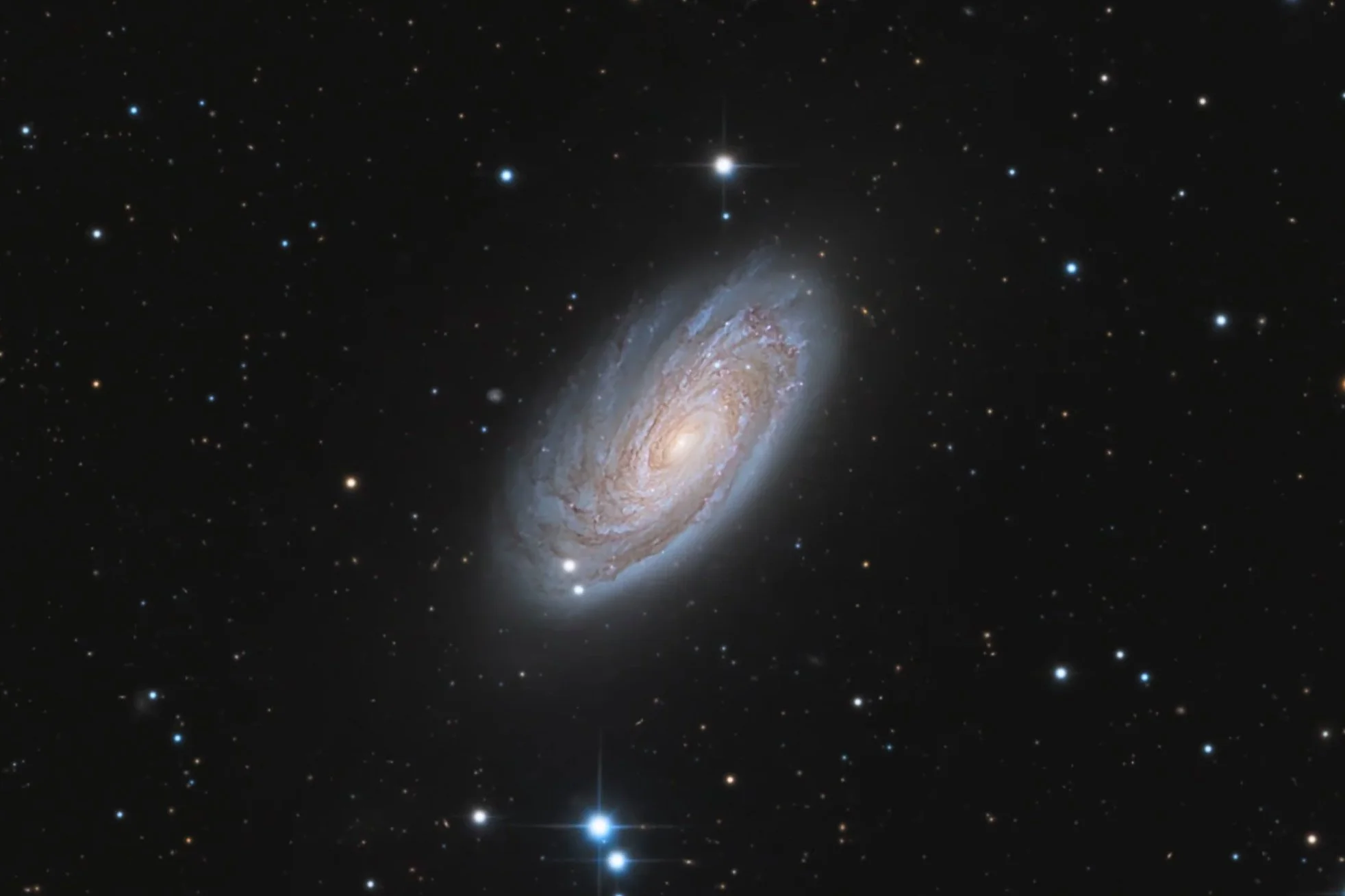
Messier 88, also known as NGC 4501, is a spiral galaxy located in the constellation Coma Berenices and member of the Virgo Cluster. It was discovered by Charles Messier on March 18, 1781. M88 lies at a distance of approximately 47 million light-years from Earth and is roughly 120,000 light-years in diameter. M88 is notable for being one of the few Messier objects with a confirmed blueshift, meaning it is moving toward the Milky Way rather than away from it, a consequence of its motion within the gravitational environment of the Virgo Cluster overcoming the general expansion of the universe.
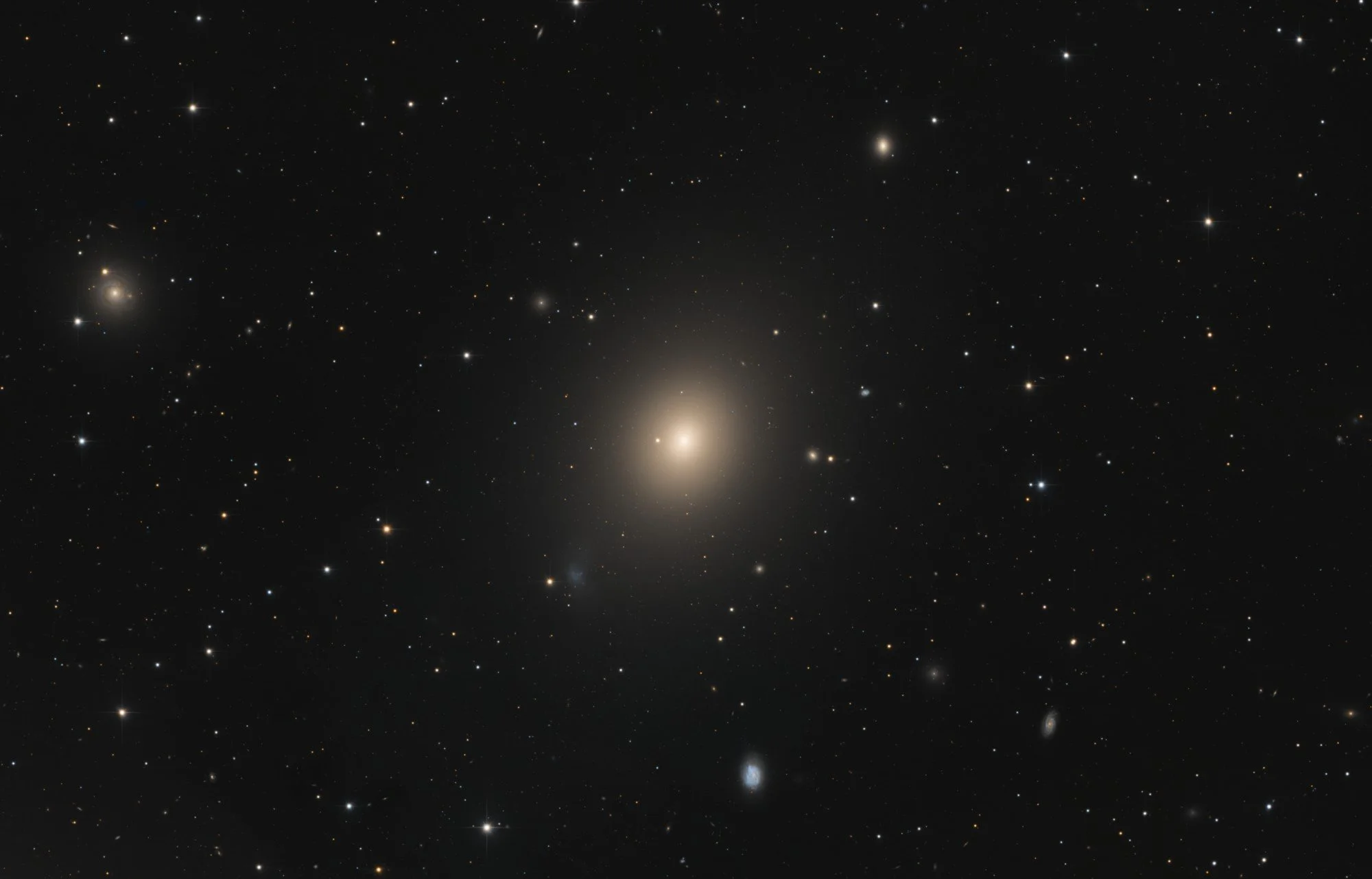
Messier 49 (NGC 4472) is an elliptical galaxy located in the constellation Virgo. It was discovered by Charles Messier on February 19, 1771, making it the first member of the Virgo Cluster to be catalogued. M49 lies at a distance of approximately 56 million light-years from Earth and is the brightest galaxy in the Virgo Cluster, outshining even the famous M87 in total luminosity. The galaxy spans roughly 160,000 light-years in diameter, making it significantly larger than the Milky Way, and it contains an estimated one trillion stars. The galaxy is also listed in the Arp Catalogue of peculiar galaxies as Arp 134
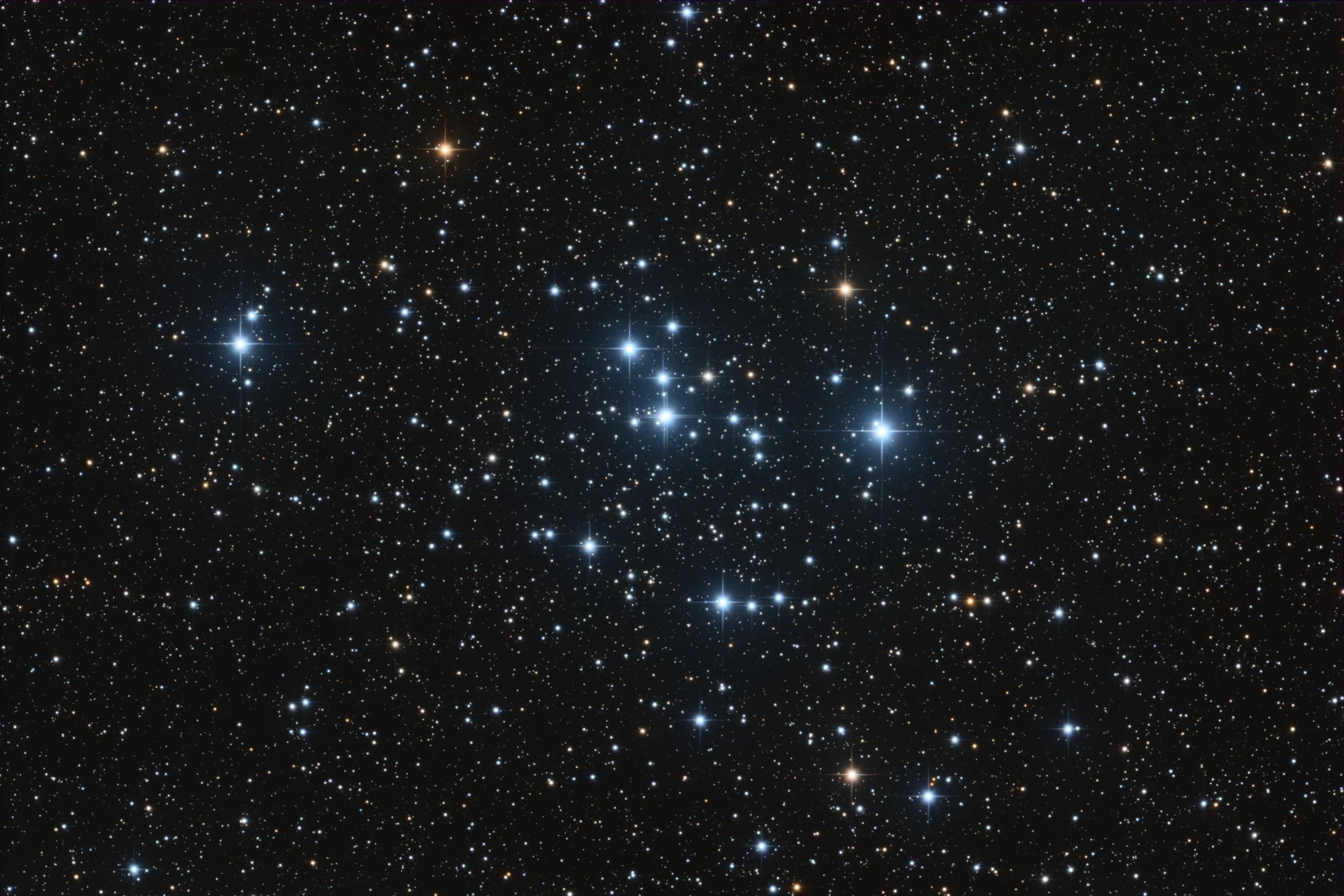
Messier 47, also known as NGC 2422, is an open star cluster located in the constellation Puppis. M47 lies at a distance of approximately 1,600 light-years from Earth and spans a true diameter of roughly 12 light-years. It is a relatively young cluster, estimated at around 78 million years old, and contains approximately 50 to 80 stars, several of which are bright enough to be seen with the naked eye.
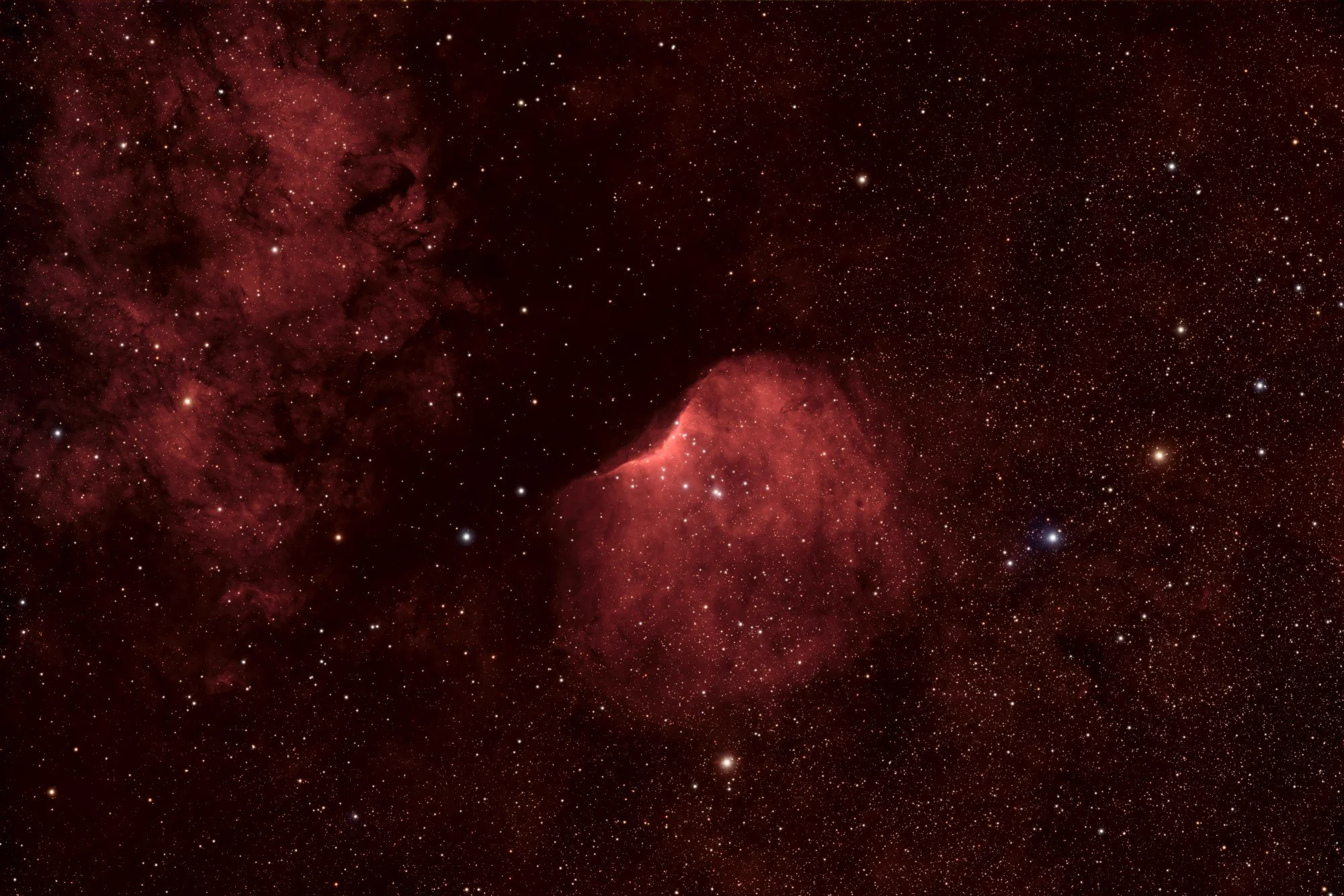
Sh2-140 is an emission and reflection nebula located in the constellation Cepheus, near the border with Lacerta. The nebula lies at a distance of approximately 2,900 light-years from Earth. The illuminating source is a hot young star designated HD 211880, whose ultraviolet radiation ionises the surrounding gas and drives the characteristic emission glow. The visible nebula spans roughly 10 light-years across.
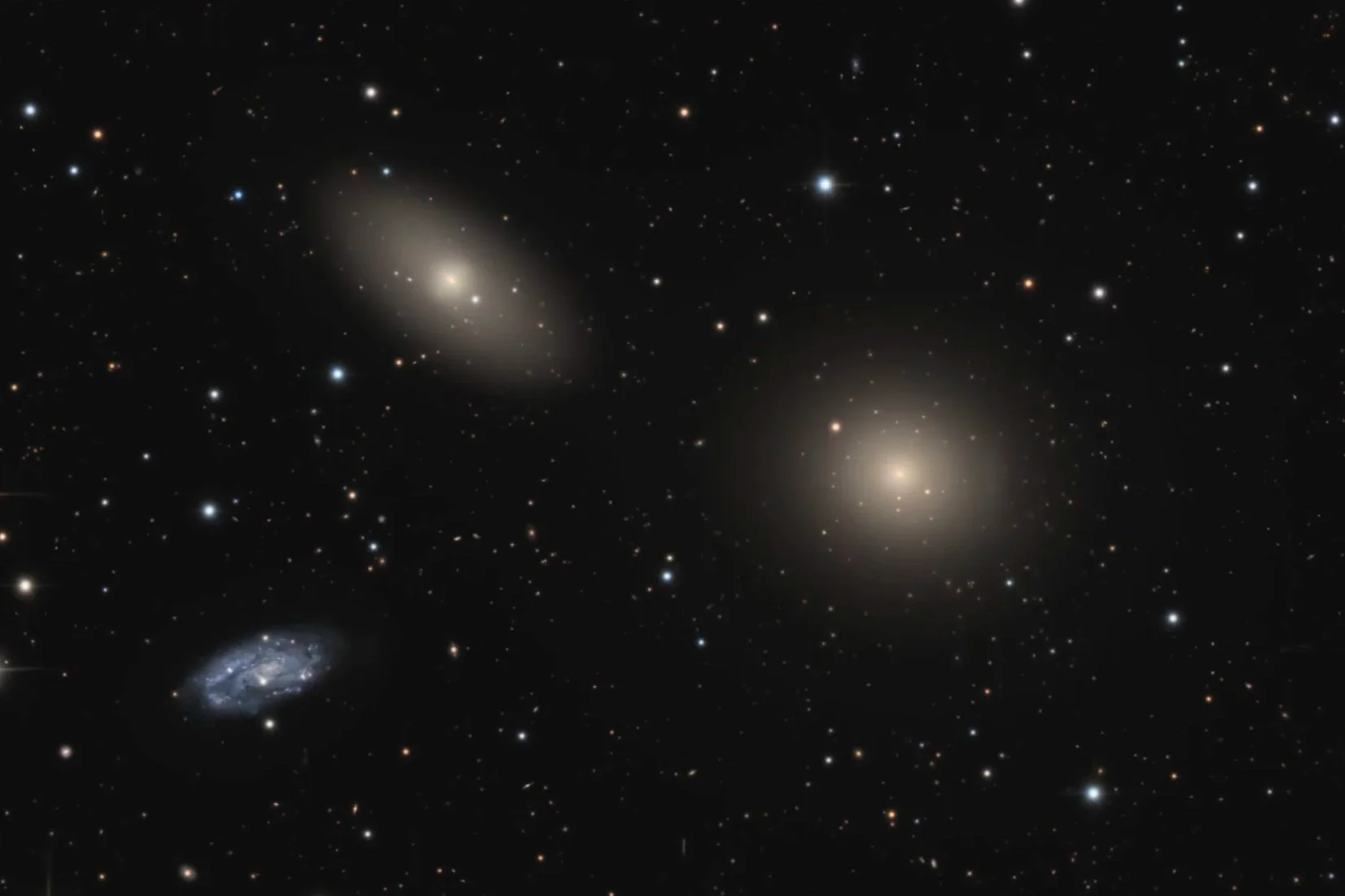
Messier 105 is an elliptical galaxy located in the constellation Leo. It was discovered by Pierre Méchain on March 24, 1781, just days before Messier finalised his famous catalogue, making it one of the last entries added. M105 lies at a distance of approximately 32 million light-years from Earth and is the brightest elliptical galaxy in the Leo I Group, a galaxy group that also includes M95 and M96. M105 spans roughly 55,000 light-years in diameter. Studies have indicated the presence of a supermassive black hole at its centre with a mass estimated at around 140 million solar masses.
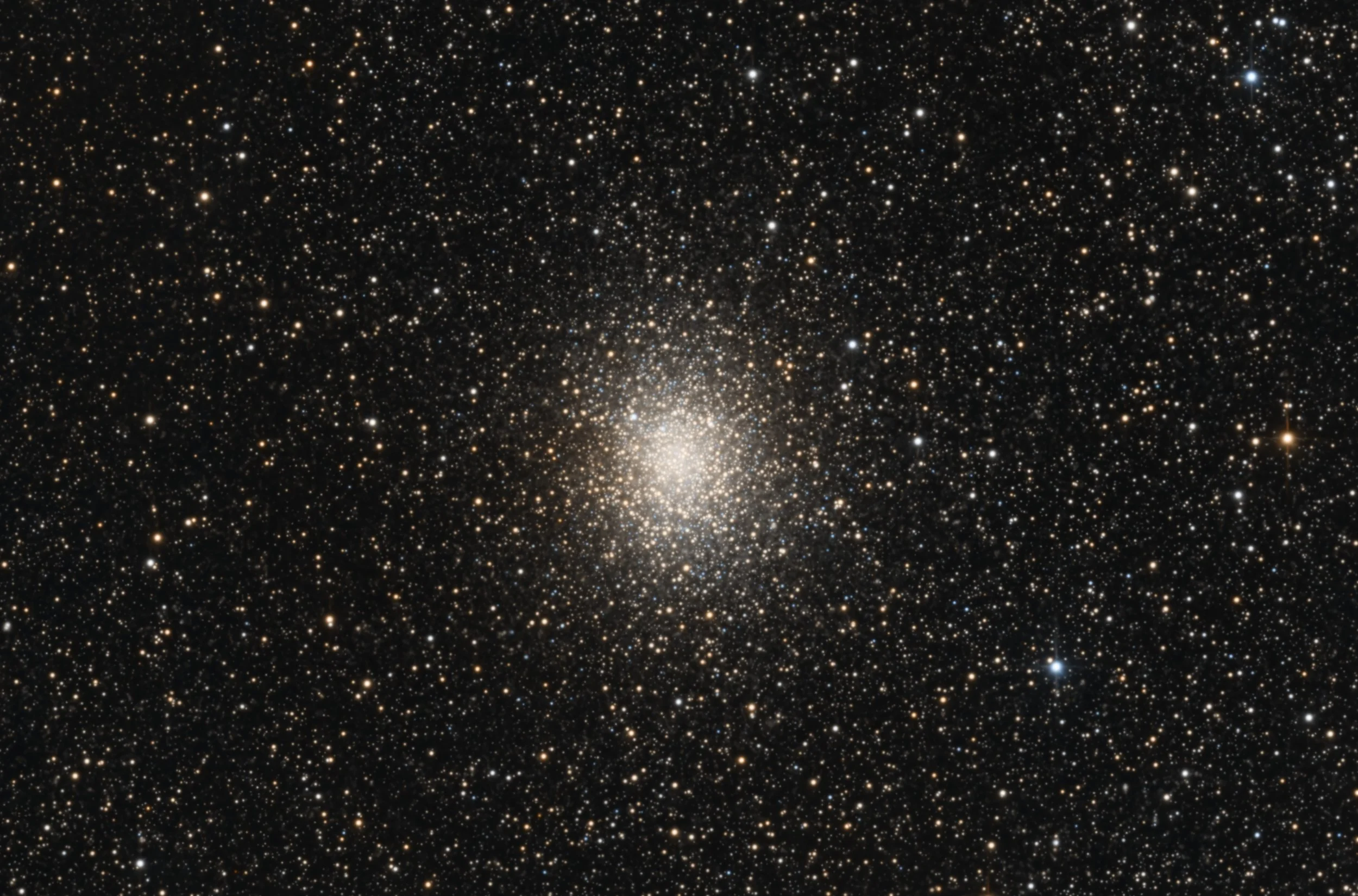
Messier 19, also known as NGC 6273, is a globular cluster located in the constellation Ophiuchus, the Serpent Bearer. It was discovered by Charles Messier on June 5, 1764, making it one of his earlier catalogue entries. M19 lies at a distance of approximately 28,000 light-years from Earth, placing it in the inner regions of the Milky Way galaxy and relatively close to the galactic centre. Its diameter spans roughly 140 light-years. The cluster contains several hundred thousand stars.
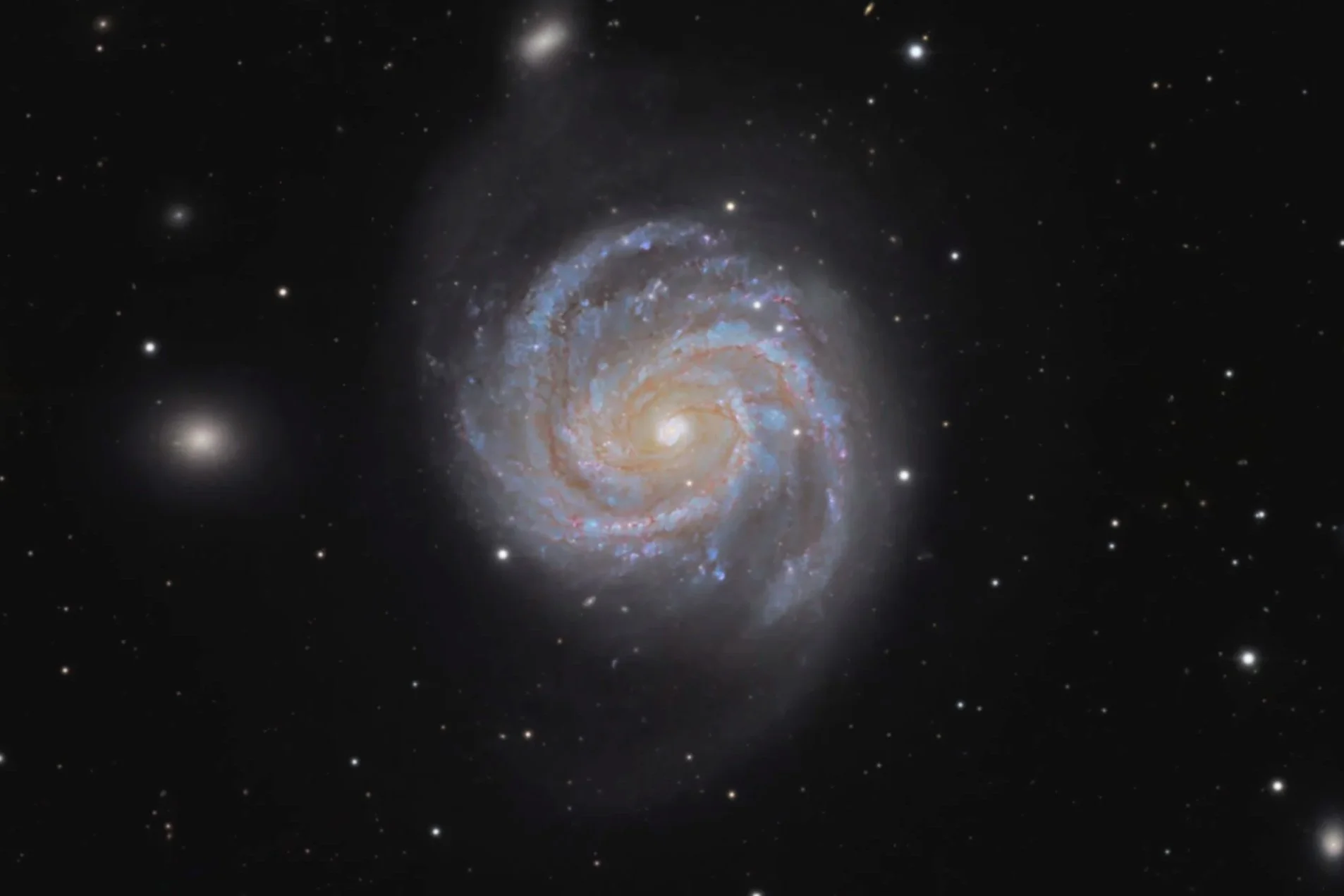
Messier 100 (NGC 4321) is a grand design spiral galaxy located in the constellation Coma Berenices, near its border with Virgo. It was discovered by Pierre Méchain on March 15, 1781, and later observed and catalogued by Charles Messier just days after. The galaxy has no widely used common name, though it is occasionally referred to as the Mirror Galaxy. M100 sits at a distance of approximately 55 million light-years from Earth and is one of the largest and brightest members of the Virgo Cluster.
Solar System
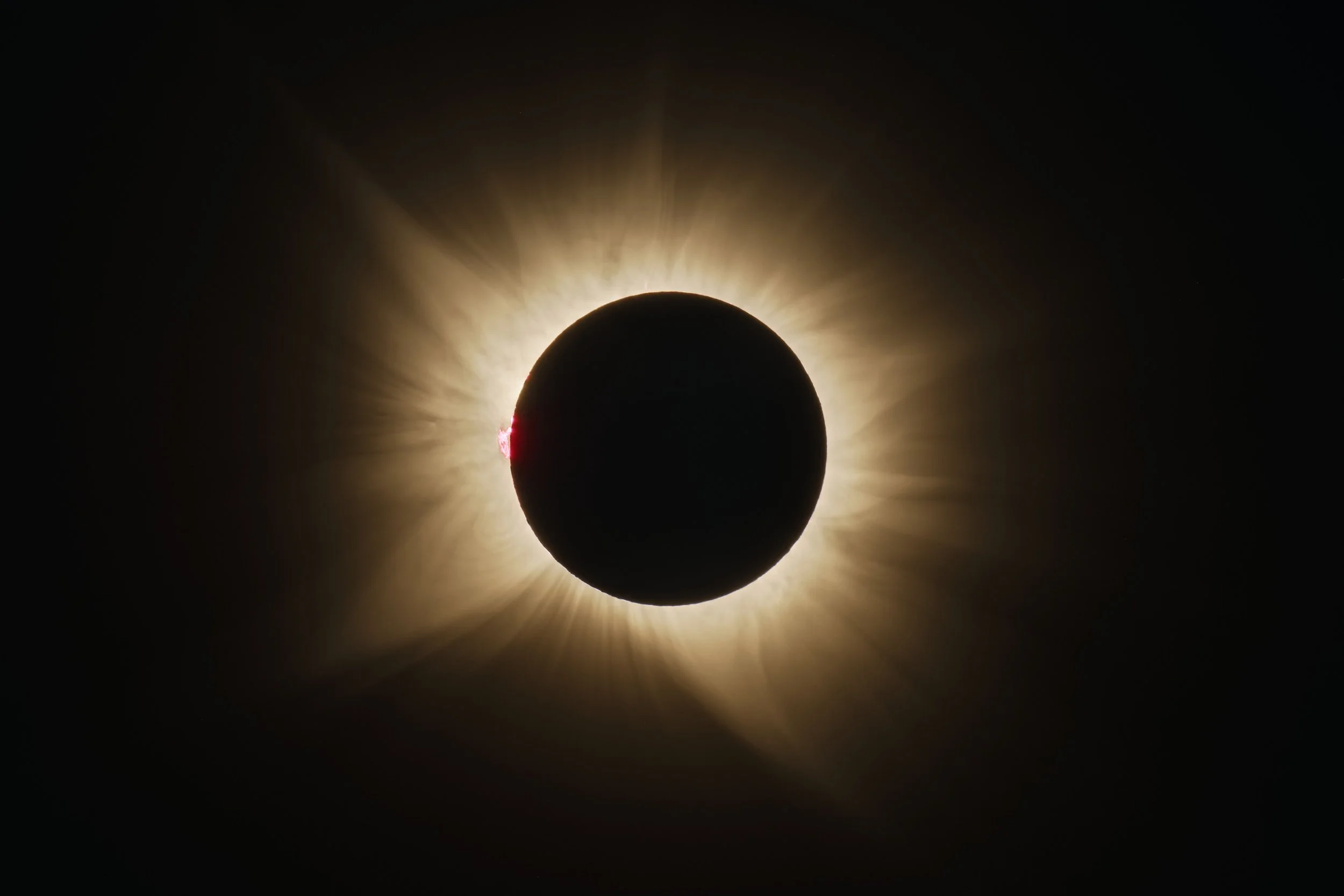
On 12 August 2026, a total solar eclipse was visible from Europe. We traveled to the north of Spain to capture this amazing event. Here you can find the closeup images. Wide-field images from the same event can be found here, and an extensive blog describing the planning, preparation and a detail account of events can be found here.
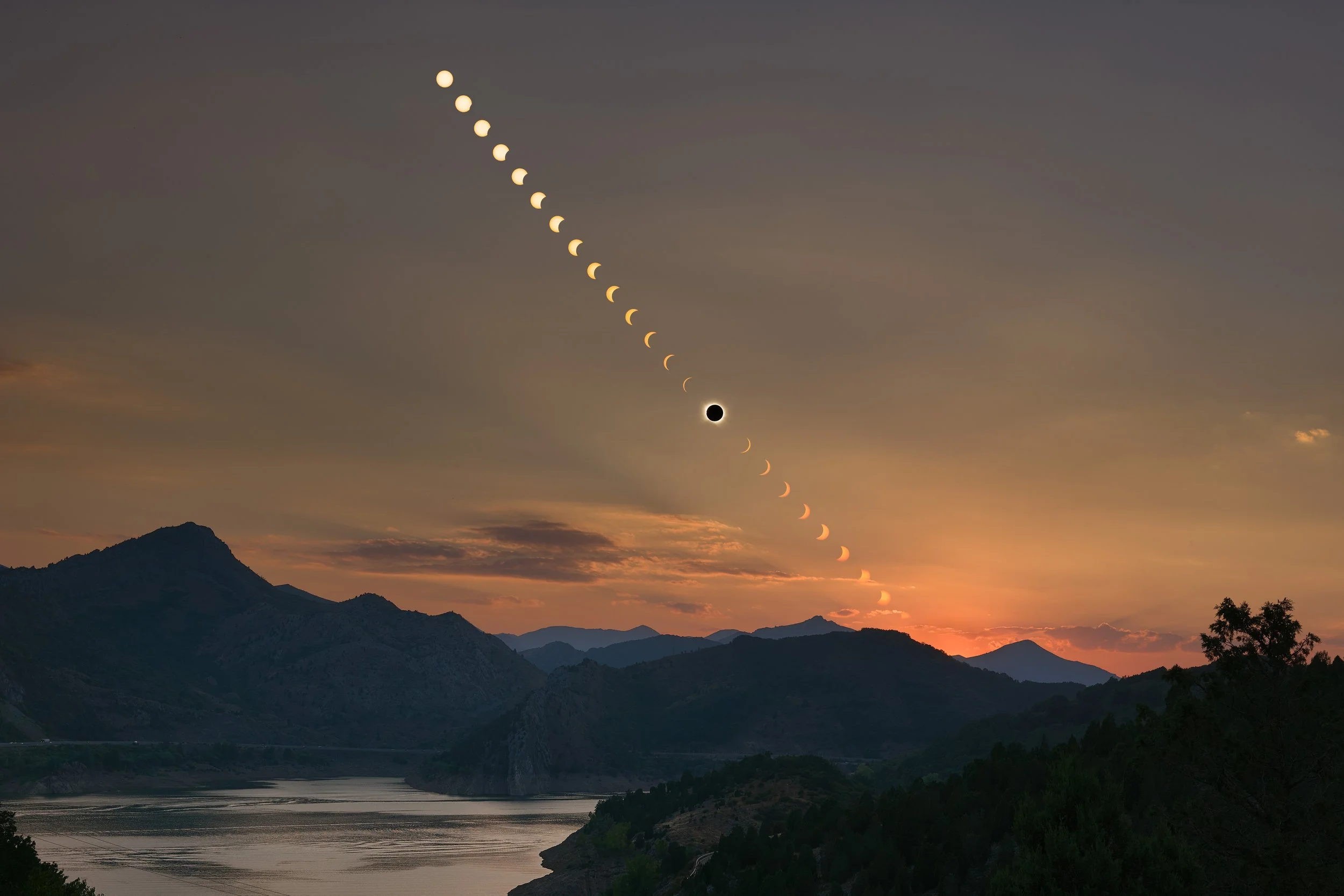
On 12 August 2026, a total solar eclipse was visible from Europe. We traveled to the north of Spain to capture this amazing event. Here you can find the wide-field images. Closeup images from the same event can be found here, and an extensive blog describing the planning, preparation and a detail account of events can be found here.
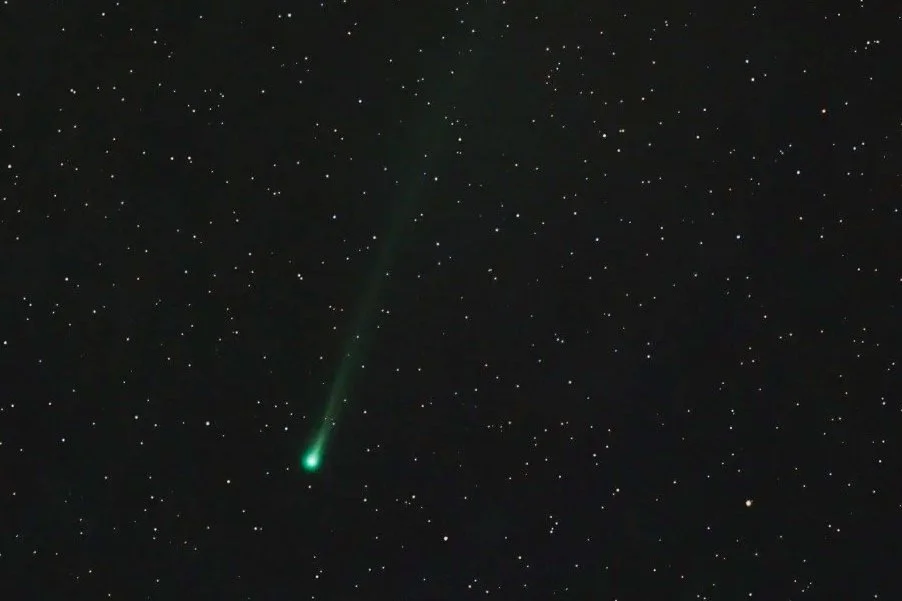
C/2025 R3 (PanSTARRS) is a hyperbolic comet originating from the Oort Cloud, discovered on 8 September 2025. The comet reached perihelion on 19 April 2026. Around perihelion the low elevation above the horizon limits practical observing from northern latitudes. Its ion tail was measured at least 7 degrees in length in photographs taken in early April. Closest approach to Earth occurs on 26 April 2026. The comet is classified as hyperbolic, meaning its trajectory is not gravitationally bound to the Solar System. Its future outbound path will result in ejection from the Solar System entirely. The nucleus is estimated to be less than one kilometre in diameter.

Under difficult conditions, the second half of the lunar eclipse 2025 could be photographed from an open field in The Netherlands

On 29 March 2025, a partial solar eclipse was visible from the West of Europe and the East of North America. From Groningen, a maximum coverage of about 25% was reached around mid-day. While clouds prevented a continuous experience, some nice images and even a full timelapse of the event was created.

Solar imaging has been in the works for a long time now. But I’m now far enough with my setup that I can actually make decent solar images. See here the first result with both a full disk image and a close-up of a prominence. Both images are also processed as timelapse video. A lot of room for improvement, but off to a good start.
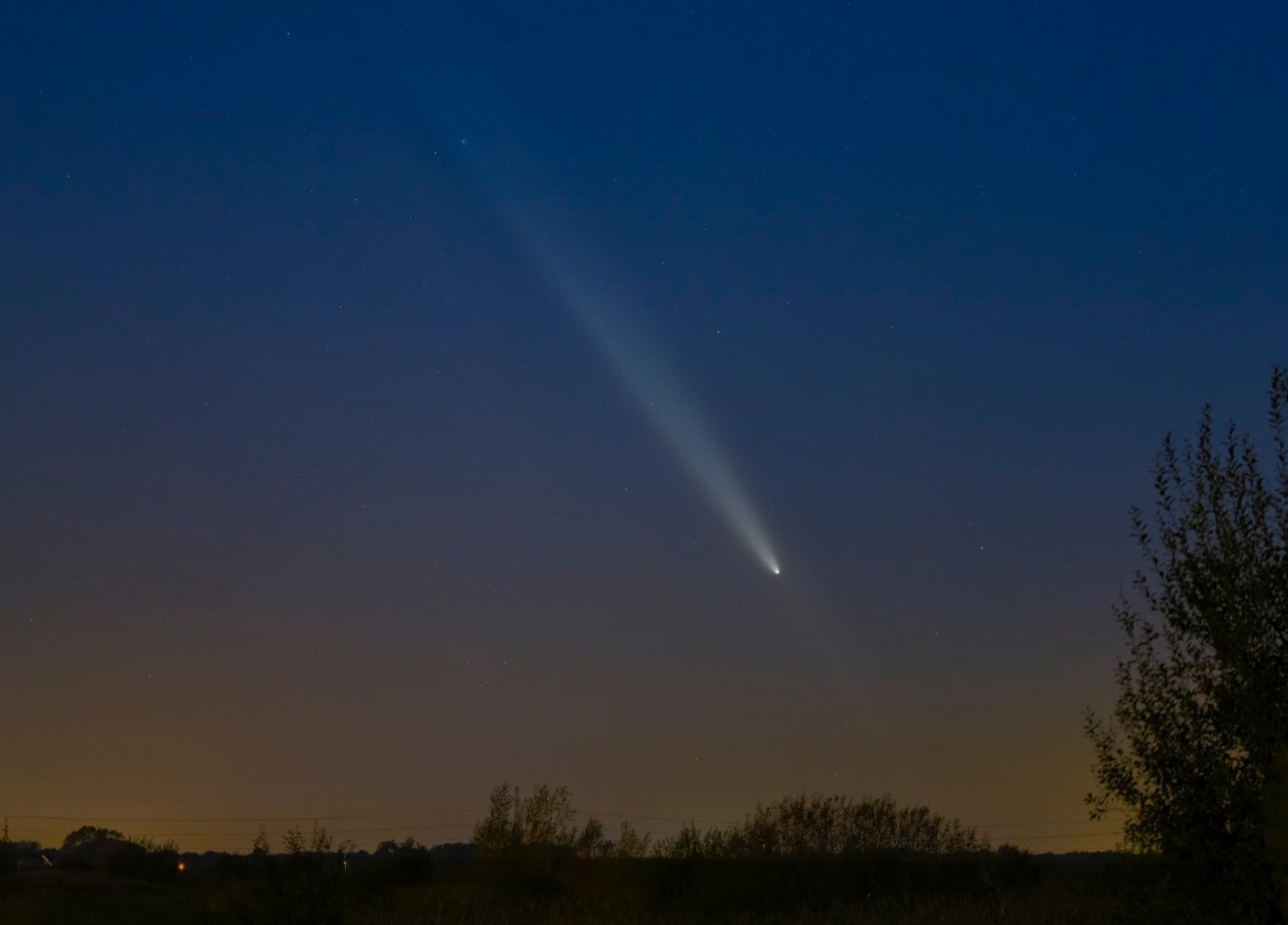
Comet C/2023 A3 (Tsuchinshan-ATLAS) has a long tail and can be seen without a telescope. This photo was taken on 14 October 2024, shortly after sunset when the comet was still bright before it fades as it moves further into our solar system.

An annual event, the Perseid meteor shower. This time an exceptional large meteor was captured with a long lasting glow. Captured with the new Sigma 15mm f/1.4 diagonal fisheye lens.

An exciting object on the very early morning horizon in August/September 2023, comet C/2023 P1 Nishimura. A very short observation window unfortunately, due to its close proximity to the sun. But just enough to make a half hour image of this fast traveller through our solar system.

On 01 February the comet reached its closest proximity to Earth. A few hours of clear skies allowed to capture this moment as a second image

Comet C/2022 E3 (ZTF) is one of the brighter comets this year. It is still increasing in brightness, and while not likely, it could still possibly become visible with the naked eye. This post describes the image itself and also contains an animation of the comet moving across the backdrop of the stars.

On the very first night testing out the new Mewlon-180c, some short videos were shot of the Moon. After processing the video-files using the new software PlanetarySystemStacker, this moon image came out. Certainly a motivation to do a lot more moon photography and test the Mewlon on some of the planets.

Bright comets are seldom appearances in our solar system. Comet Leonard was one of the most striking examples this year. Just days before it would become at its brightest and before it would cross the ecliptic, this image was shot in the early morning hours.

One of the most well-known meteor showers, the Perseïds is visible around August 11-13 every year. This year, in a first attempt to photographing meteors, to photography setups were used to create a composite image of some of the meteors on August 11.

One of the brightest and largest comets in a long time, comet Neowise. A spectacular object, photographed using a regular photo camera with telelens.

At one point comet 46P Wirtanen was promising to become a spectacular event. In the end it turned out to be a modest performance. See here a photo and video.

A spectacular view of a total lunar eclipse during a freezing night in January of 2019. Enjoy the photo’s and a video of the whole event.
Caldwell 13, also known as NGC 457, is an open star cluster located in the constellation Cassiopeia. It was discovered by William Herschel on 18 August 1780. The cluster is known by several popular names, such as Owl Cluster, E.T. Cluster and Dragonfly Cluster. NGC 457 lies at a distance of approximately 7,900 light-years from Earth and is the brightest open cluster in Cassiopeia.