

Images
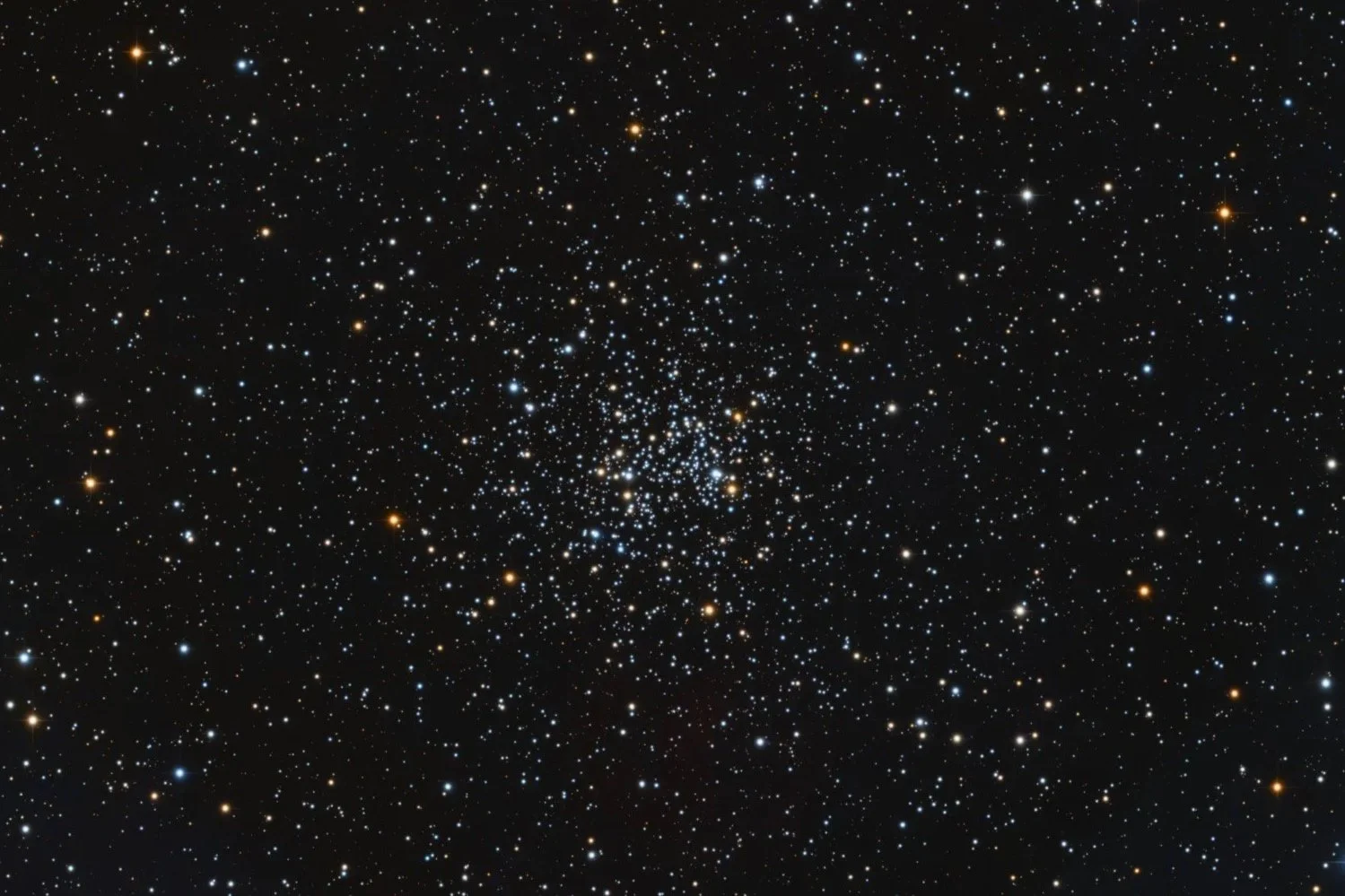
Caldwell 54
Caldwell 54, also known as NGC 2506, is an open star cluster located in the constellation Monoceros, the Unicorn. It was discovered by William Herschel on March 1, 1791. NGC 2506 lies at a distance of approximately 10,000 light-years from Earth. It spans a true diameter of roughly 25 light-years and reaches an apparent magnitude of around 7.6.
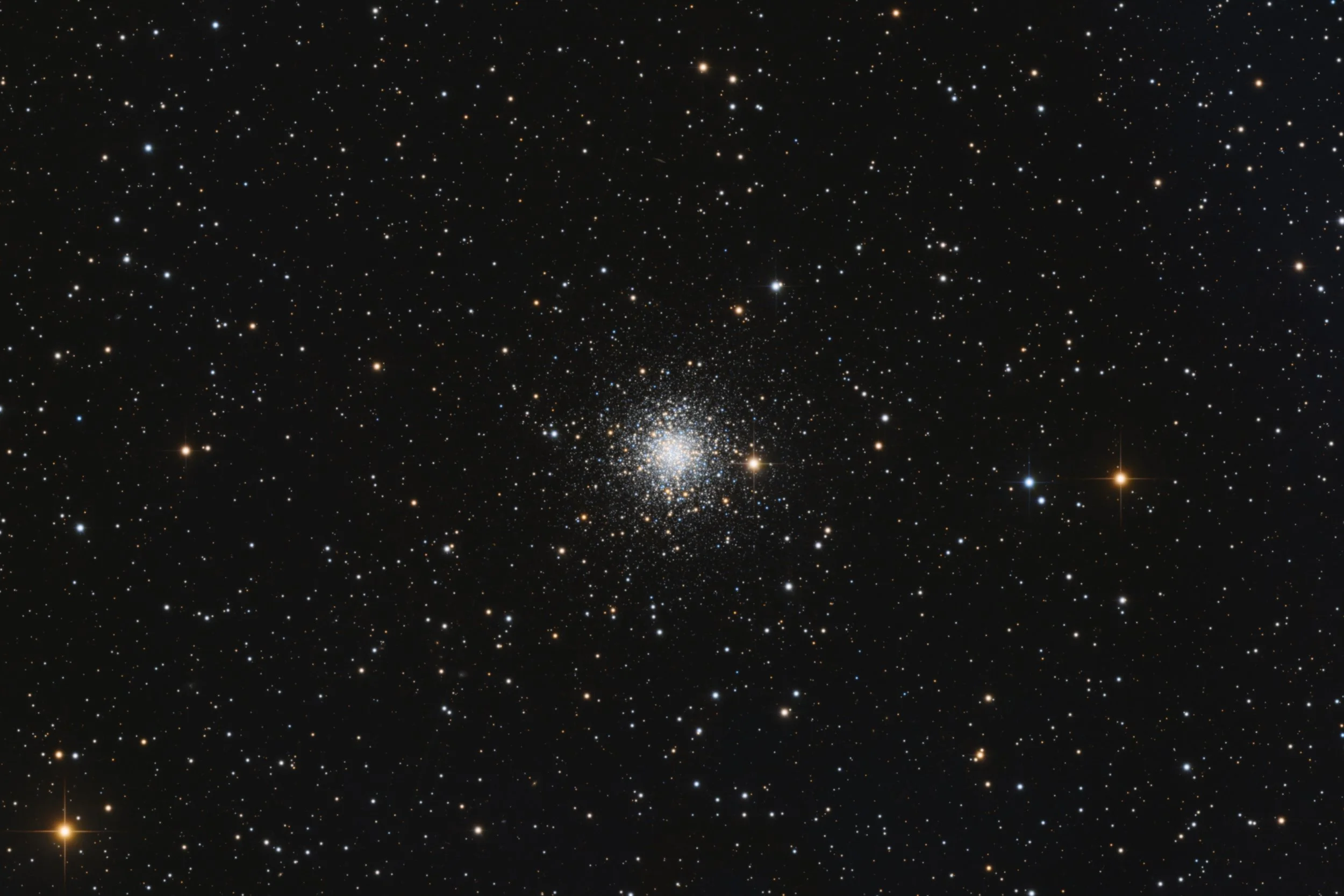
Caldwell 47
Caldwell 47, also known as NGC 6934, is a globular cluster located in the constellation Delphinus. It was discovered by William Herschel on September 24, 1785. C47 lies at a distance of approximately 50,000 light-years from Earth, placing it well out in the outer halo of the Milky Way.
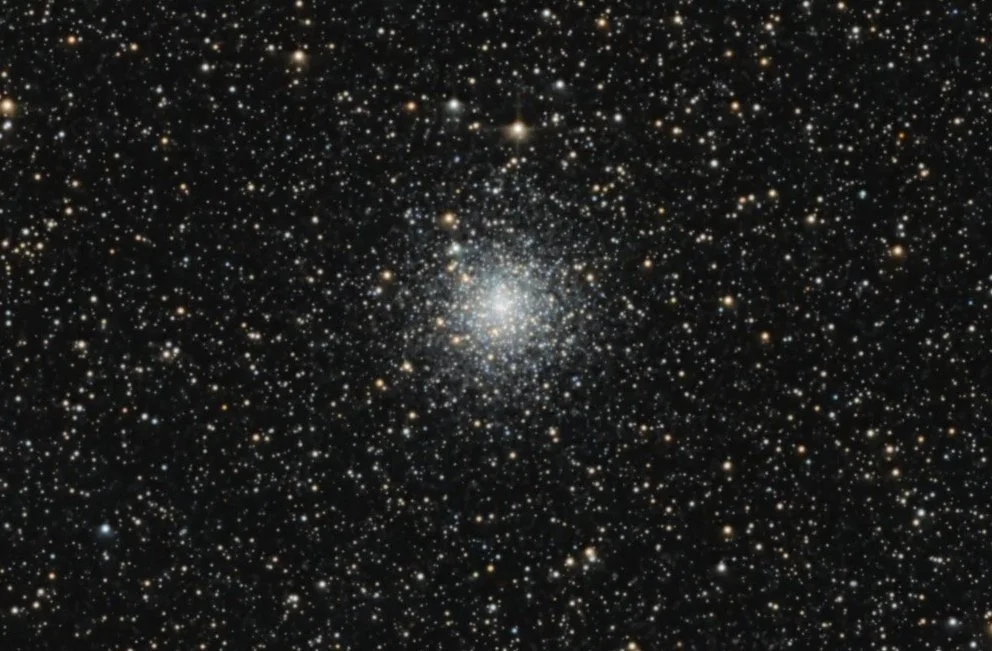
M70
Messier 70, also known as NGC 6681, is a globular cluster located in the constellation Sagittarius. It was discovered by Charles Messier on August 31, 1780. M70 lies at a distance of approximately 29,400 light-years from Earth and spans a true diameter of roughly 68 light-years, making it one of the smaller and more compact globular clusters in the Messier catalogue.
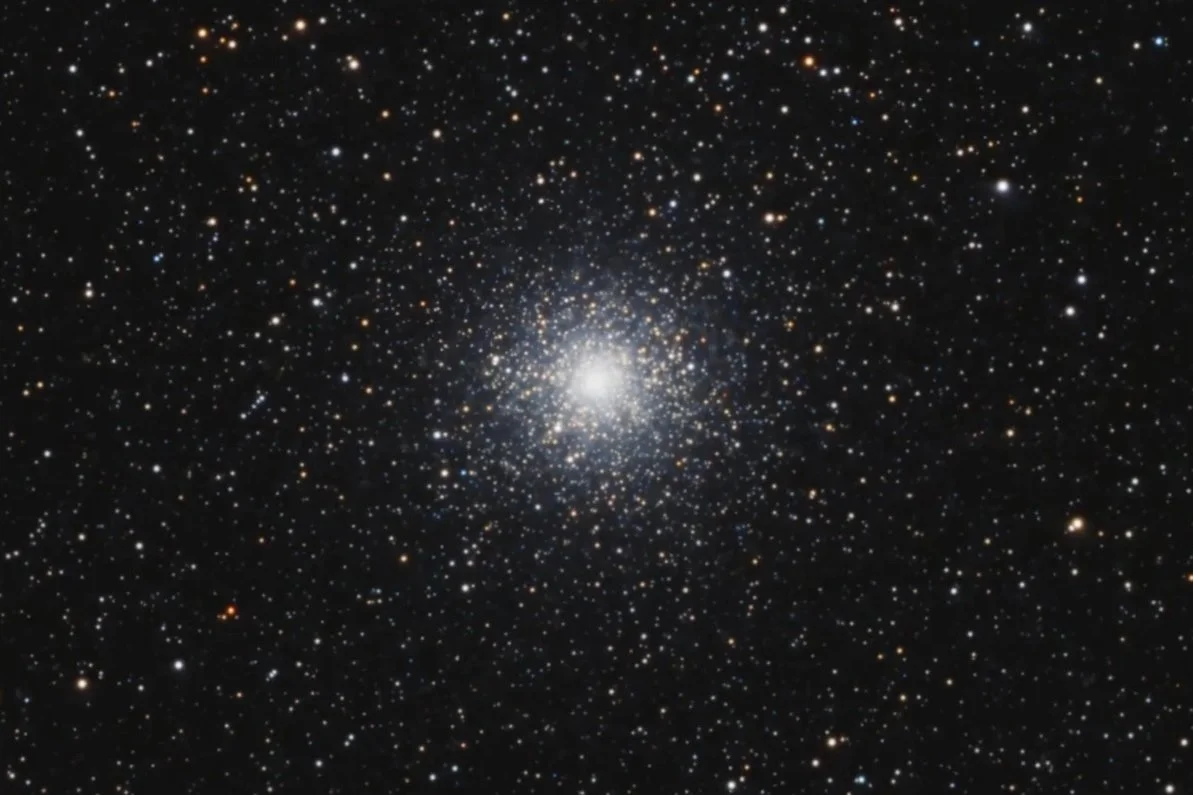
M54
Messier 54, also known as NGC 6715, is a globular cluster located in the constellation Sagittarius. It was discovered by Charles Messier on July 24, 1778. M54 lies at a distance of approximately 87,000 light-years from Earth, making it considerably more distant than most other globular clusters in the Messier catalogue. It spans a true diameter of roughly 150 light-years and reaches an apparent magnitude of around 7.6, making it a moderately bright but compact target that requires reasonable aperture to begin resolving into individual stars. What makes M54 especially notable is that it does not actually belong to the Milky Way. In 1994, astronomers determined that the cluster is in fact a satellite of the Sagittarius Dwarf Spheroidal Galaxy.
M22
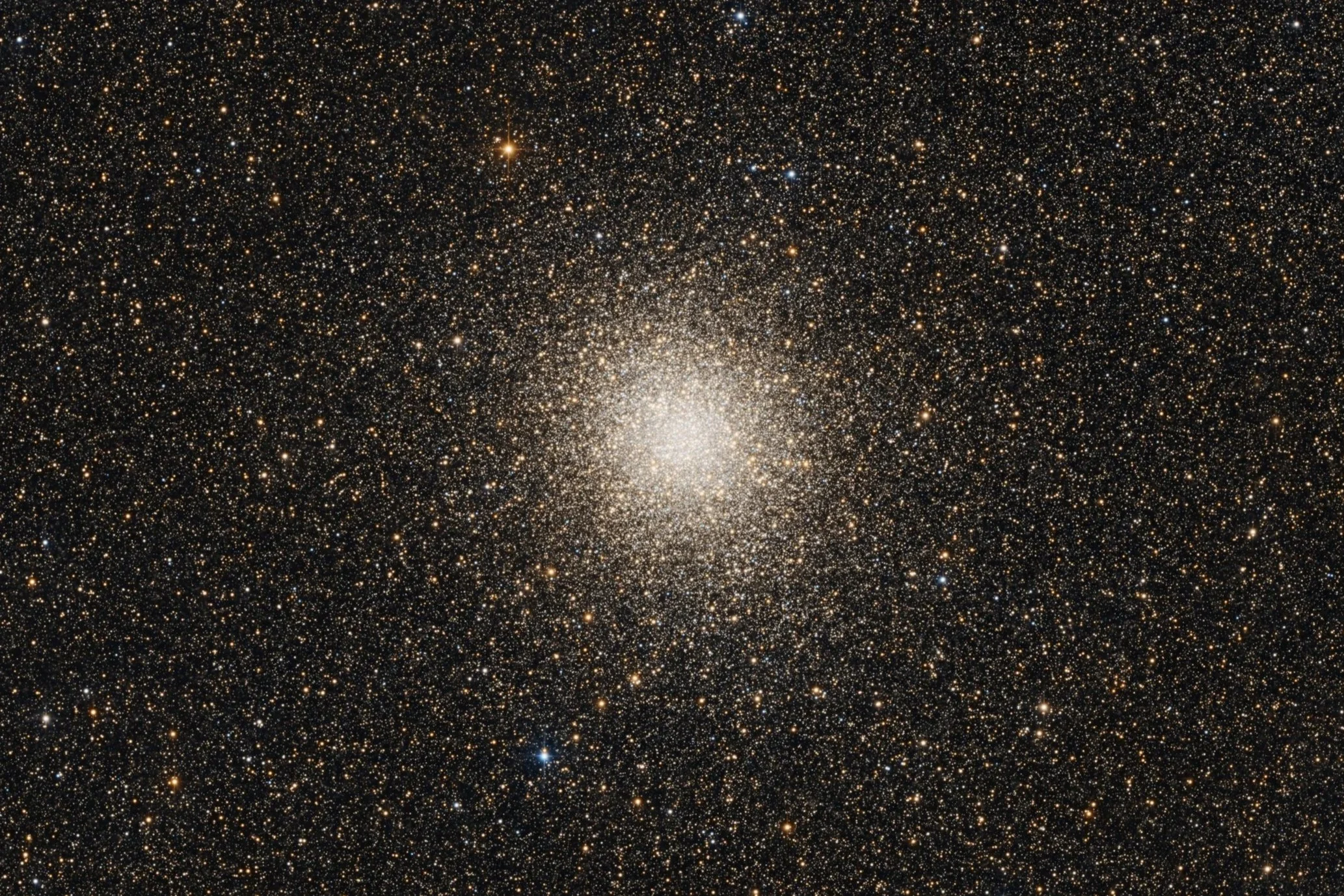
Messier 22, also known as NGC 6656, is a globular cluster located in the constellation Sagittarius. It is one of the earliest globular clusters to be discovered, first noted by Johann Abraham Ihle in 1665. M22 lies at a distance of approximately 10,600 light-years from Earth. It spans a true diameter of roughly 100 light-years and has an apparent diameter of around 32 arcminutes, making it one of the largest globular clusters in apparent size as seen from Earth. It contains an estimated 70,000 to 100,000 stars and reaches an apparent magnitude of around 5.1, making it one of the brightest globular clusters in the sky.
M93
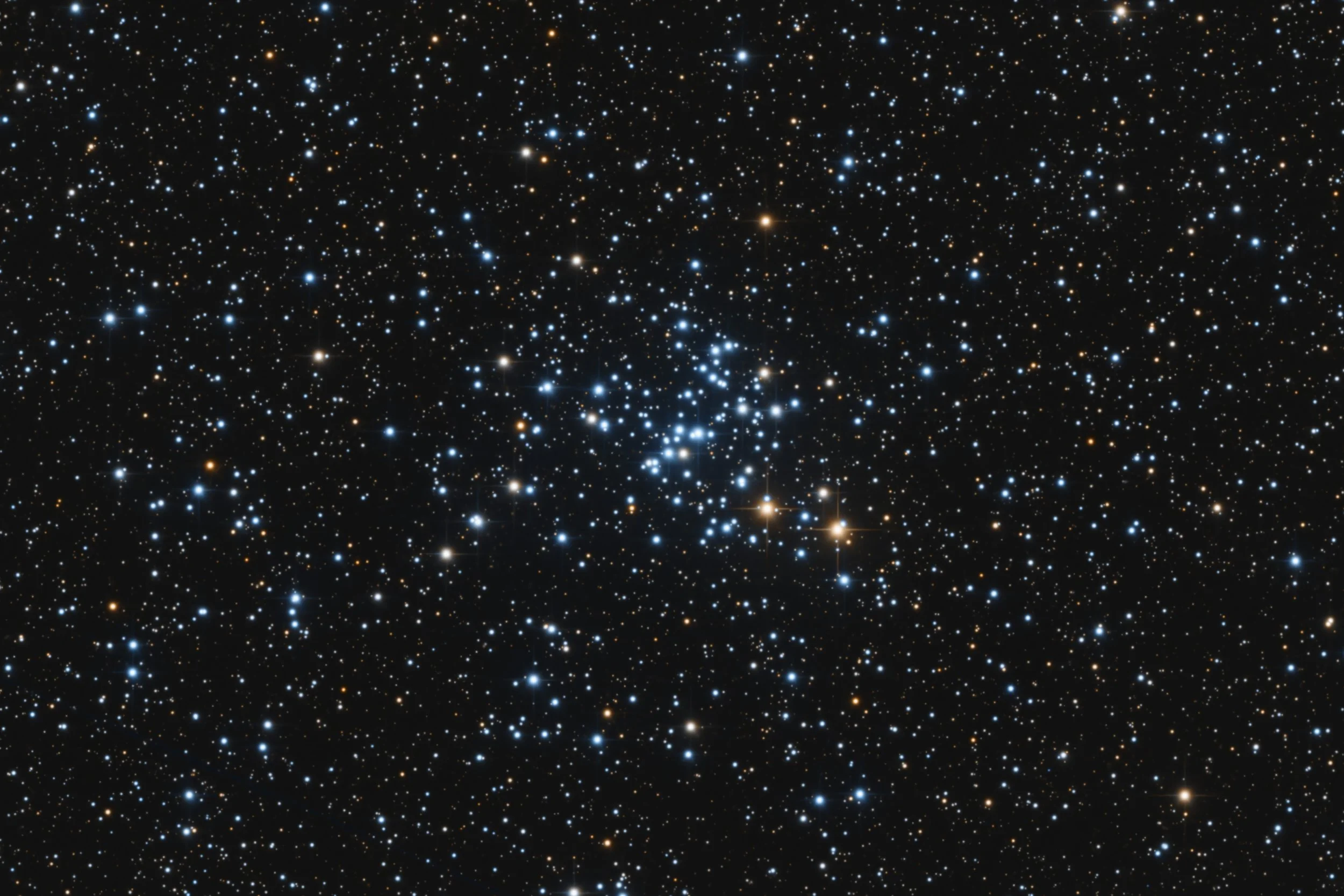
Messier 93, also known as NGC 2447, is an open star cluster located in the constellation Puppis, in the same rich stretch of the winter Milky Way that contains several other Messier open clusters including M46 and M47. It was discovered by Charles Messier on March 20, 1781. M93 lies at a distance of approximately 3,600 light-years from Earth and spans a true diameter of roughly 25 light-years. It is estimated to be around 100 million years old, making it somewhat older than M21 or M47 but still a relatively young open cluster.
M21
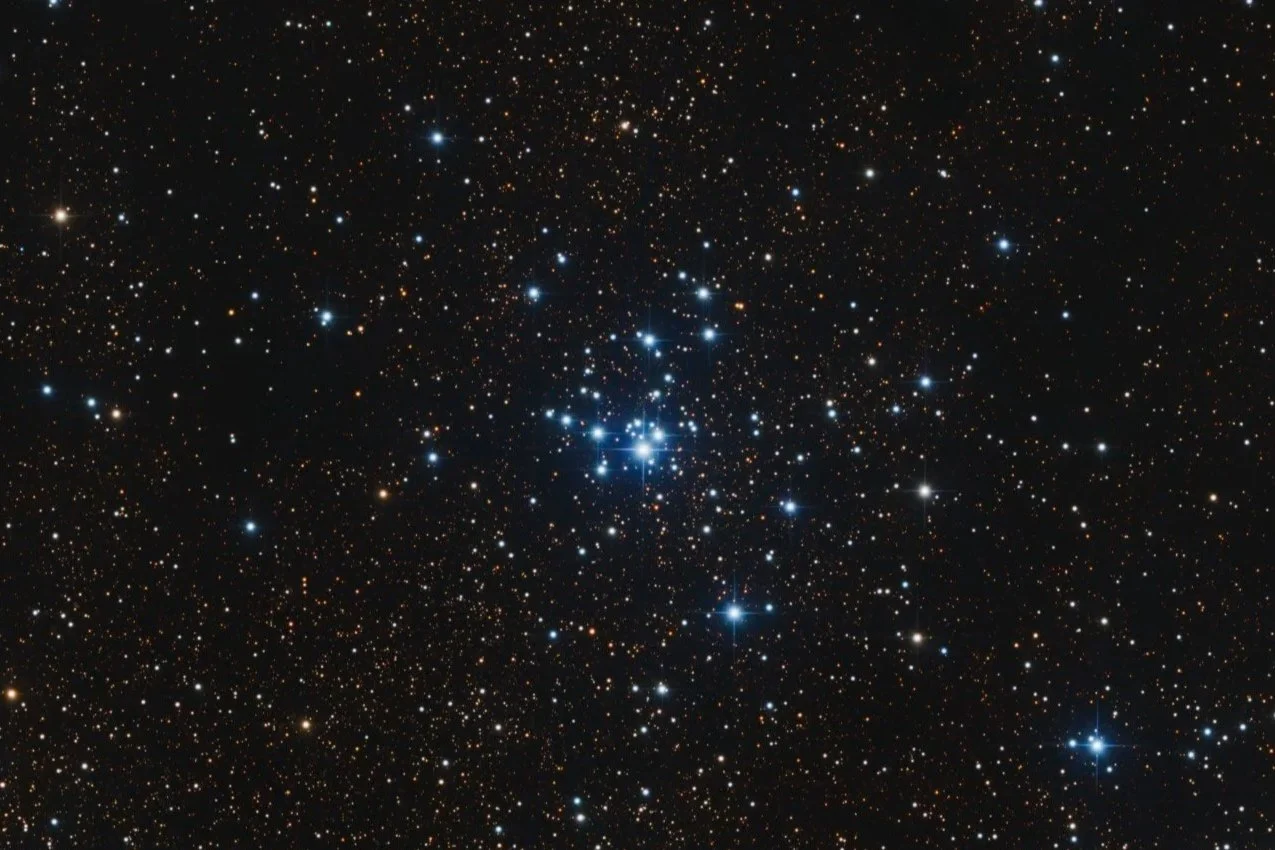
Messier 21, also known as NGC 6531, is an open star cluster located in the constellation Sagittarius. It was discovered by Charles Messier on June 5, 1764, during the same observing session in which he also catalogued M20, the Trifid Nebula, which lies only around 40 arcminutes to the northwest. The two objects lie at different distances and are therefore an optical rather than a physical pairing. M21 lies at a distance of approximately 4,250 light-years from Earth and spans a true diameter of roughly 13 light-years. It is a young cluster, estimated at around 4 to 5 million years old.
M80
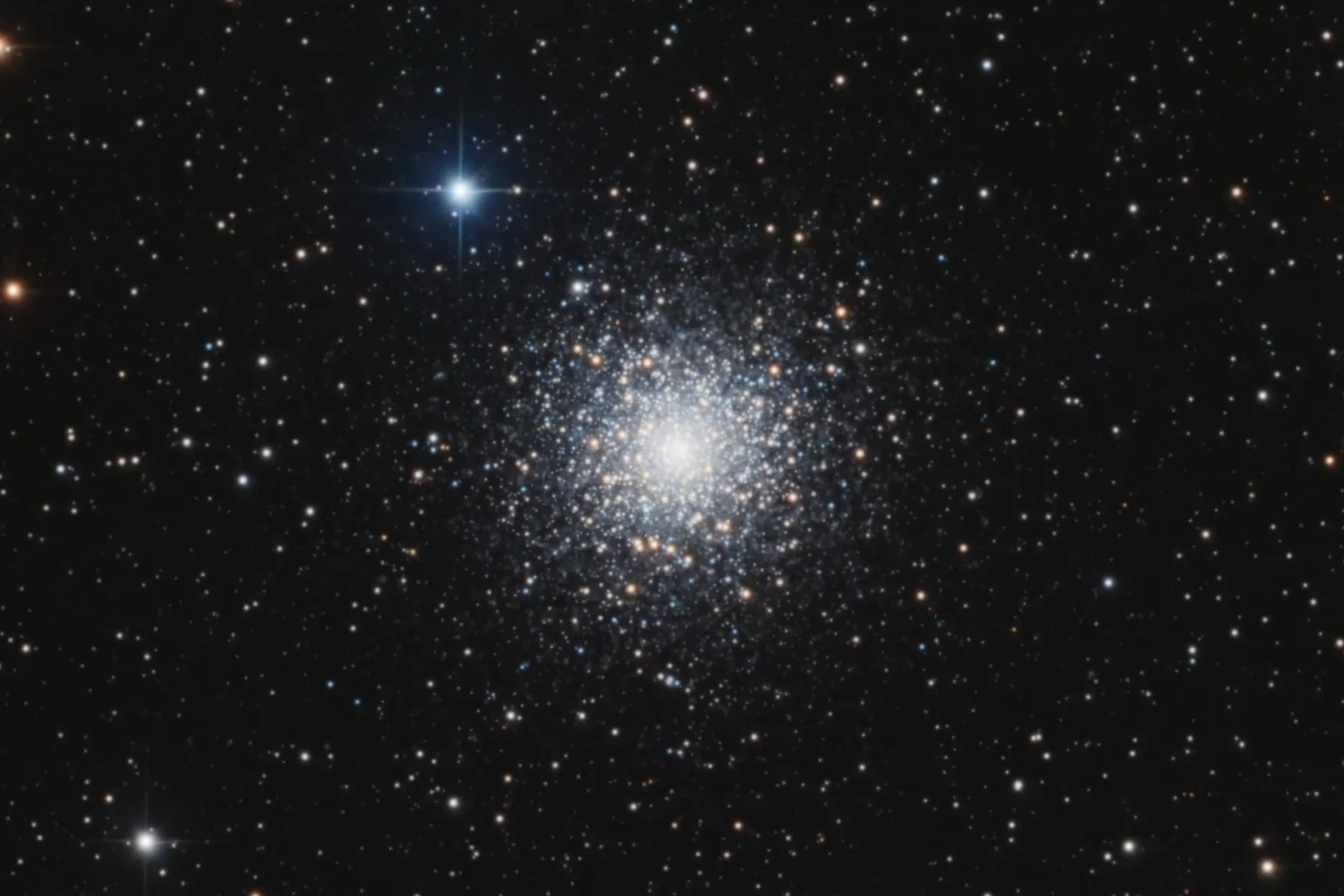
Messier 80, also known as NGC 6093, is a globular cluster located in the constellation Scorpius. It was discovered by Charles Messier on January 4, 1781. M80 lies at a distance of approximately 32,600 light-years from Earth, placing it in the inner regions of the Milky Way and relatively close to the galactic centre.M80 holds a notable place in astronomical history as the site of a recorded nova in 1860, designated T Scorpii. At its peak it briefly became bright enough to be visible to the naked eye and was for a short time the brightest star in Scorpius, making it one of the most dramatic nova events observed within a globular cluster in the 19th century.
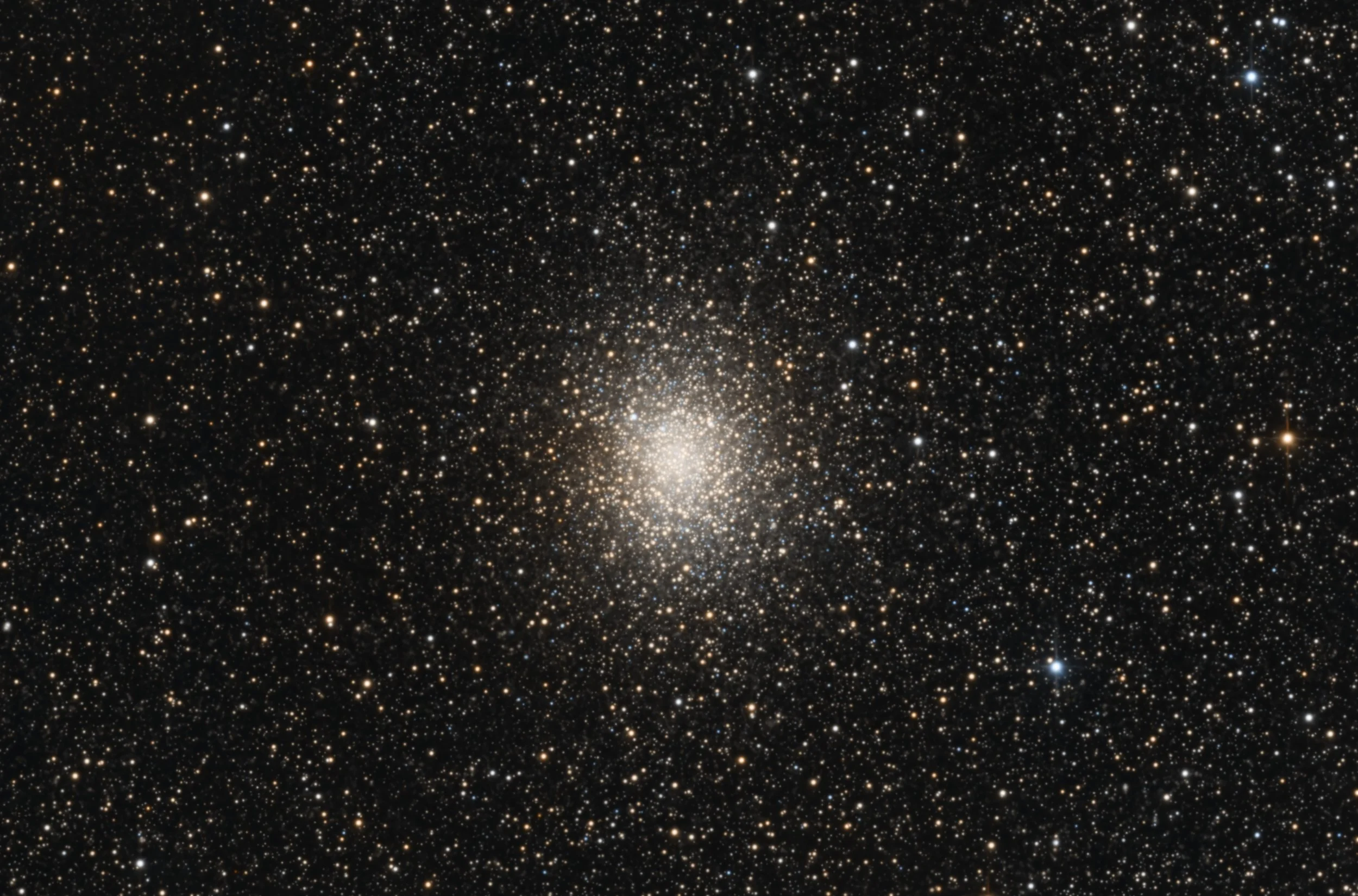
M19
Messier 19, also known as NGC 6273, is a globular cluster located in the constellation Ophiuchus, the Serpent Bearer. It was discovered by Charles Messier on June 5, 1764, making it one of his earlier catalogue entries. M19 lies at a distance of approximately 28,000 light-years from Earth, placing it in the inner regions of the Milky Way galaxy and relatively close to the galactic centre. Its diameter spans roughly 140 light-years. The cluster contains several hundred thousand stars.
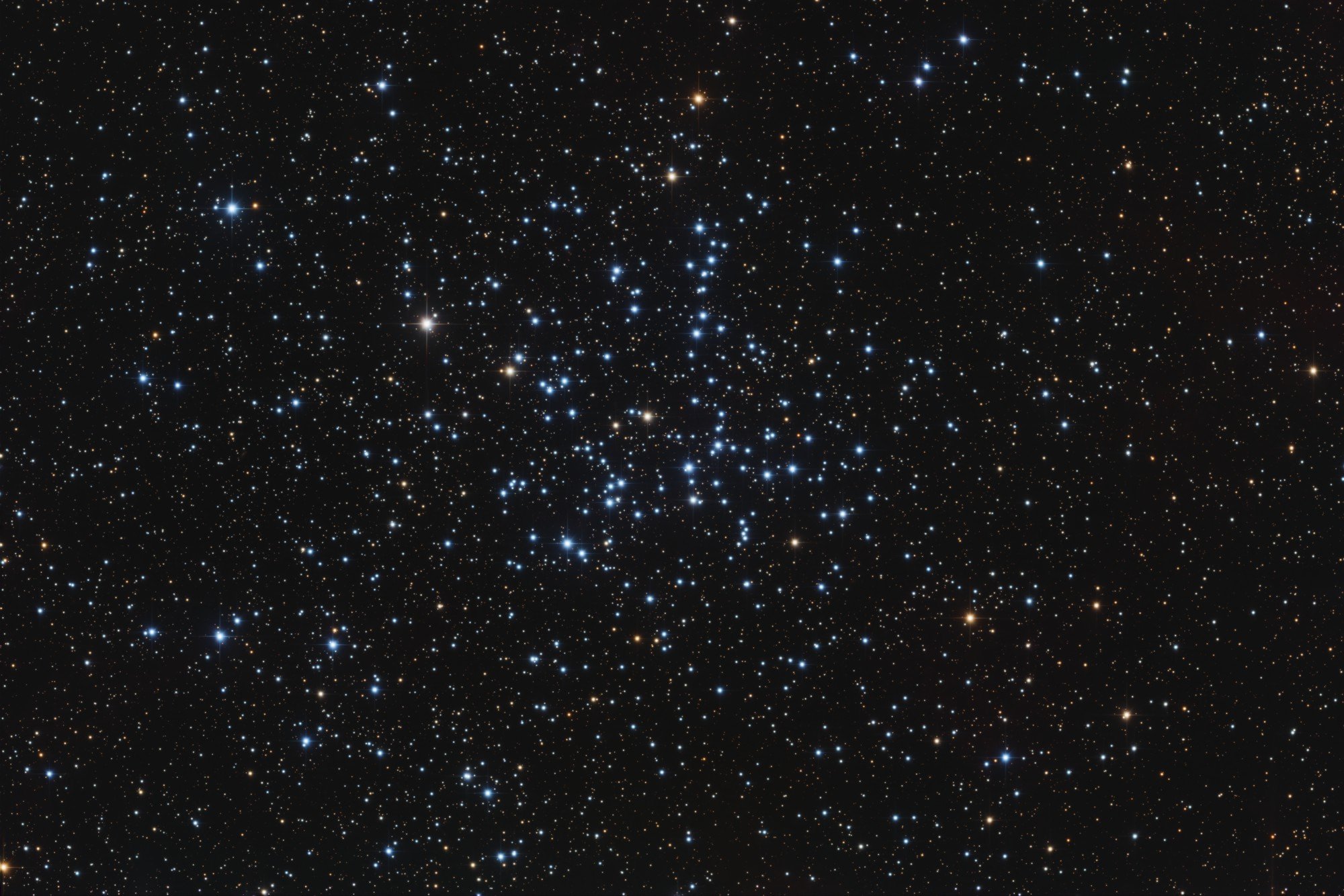
M38
Messier 38, also known as NGC 1912, is an open cluster located in the constellation Auriga. It was first recorded by Guillaume Le Gentil in 1749. The cluster spans around 21 arcminutes on the sky, corresponding to a true diameter of roughly 25 light-years. The cluster contains around 100 confirmed member stars. The brighter stars form a loose oblique or cross-shaped pattern, which gives rise to the informal nickname "the Starfish Cluster."
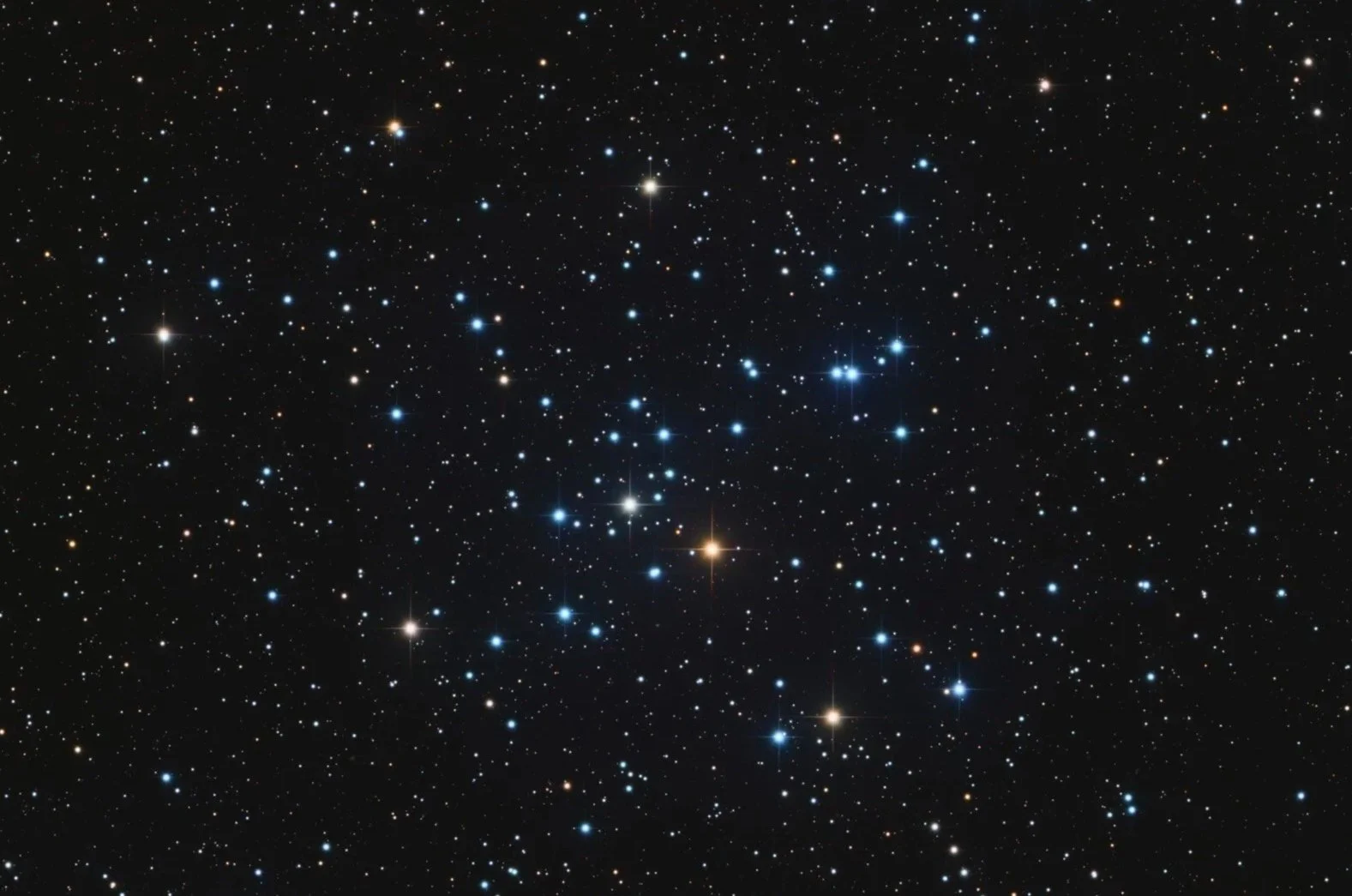
M41
Messier 41 is an open cluster in the constellation Canis Major. The cluster spans an area comparable to the size of the full moon and contains about 100 stars, including several red giants and white dwarfs. Discovered by Giovanni Batista Hodierna before 1654, M41 may have been observed by Aristotle as early as 325 BC. It is sometimes called the Little Beehive Cluster due to its resemblance to the Beehive Cluster (M44).
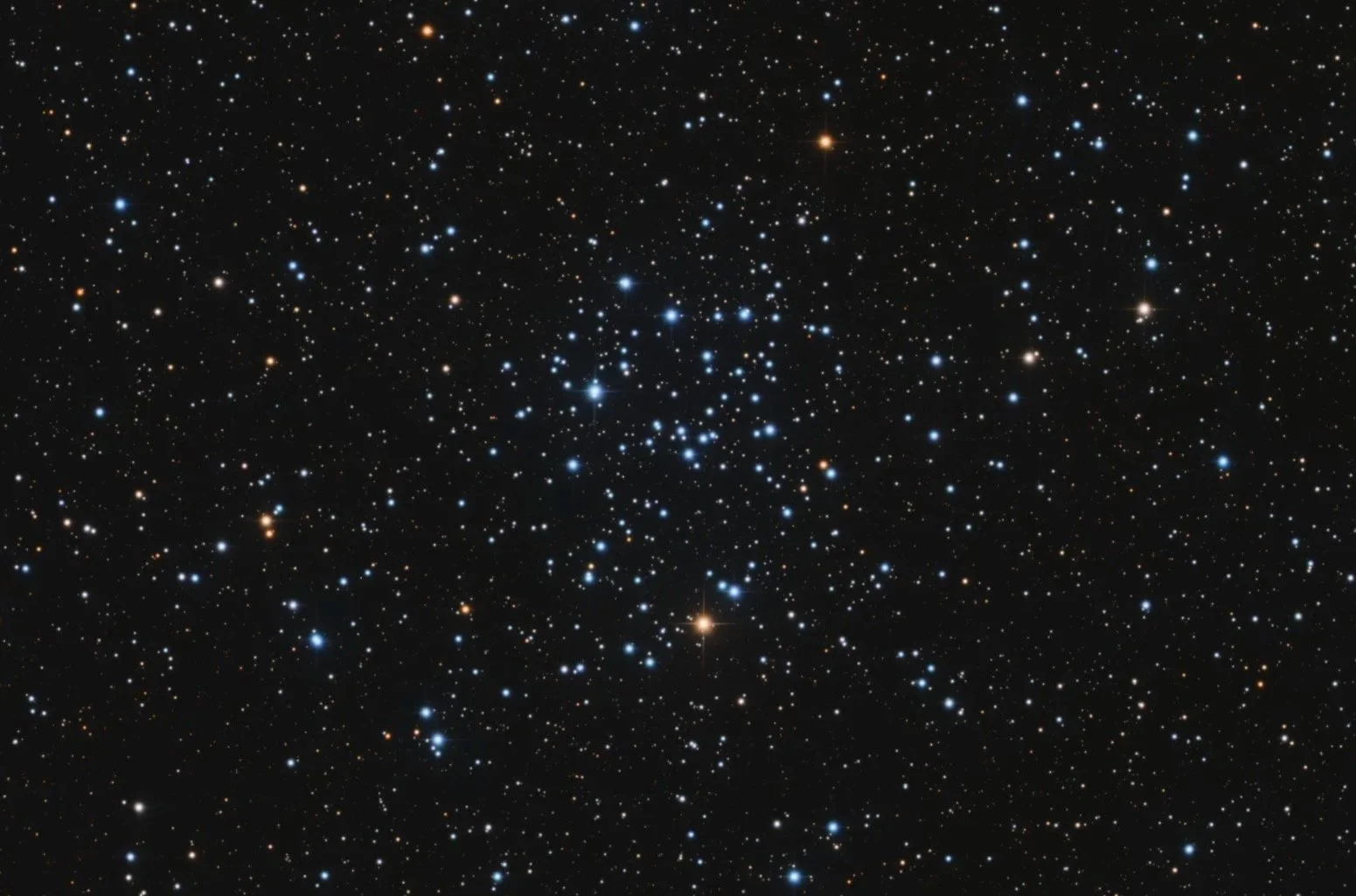
M50
Messier 50, also known as NGC 2323 or the Heart-shaped Cluster, is an open cluster of stars in the constellation Monoceros. It was recorded by G. D. Cassini before 1711 and independently discovered by Charles Messier in 1772 while observing Biela's Comet. M50 is about 2,900 light-years away from Earth and spans 17.8 light-years. The cluster has 508 confirmed and 109 probable members and their combined mass is more than 285 solar masses.
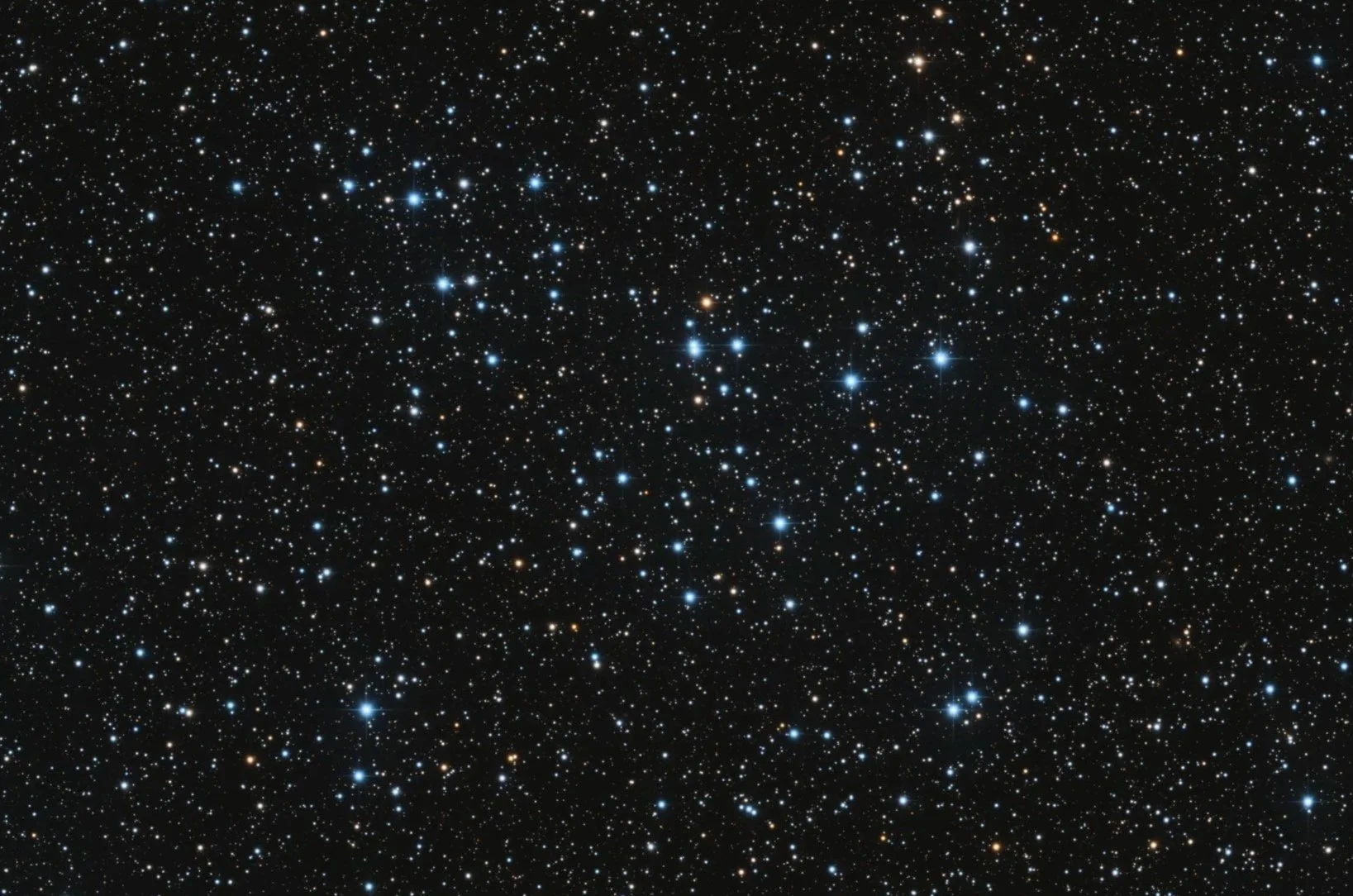
Caldwell 16
Caldwell 16, also known as NGC 7243, is an open cluster located 2,300 light years from Earth in the constellation of Lacerta. It was discovered in 1788 by William Herschel, contains an estimated 211 stars and has an angular diameter of about 21 arc minutes. The age of this cluster is estimated at about 250 million years. The cluster is fairly bright, with an apparent magnitude of 6.4 making it visible with the naked eye.
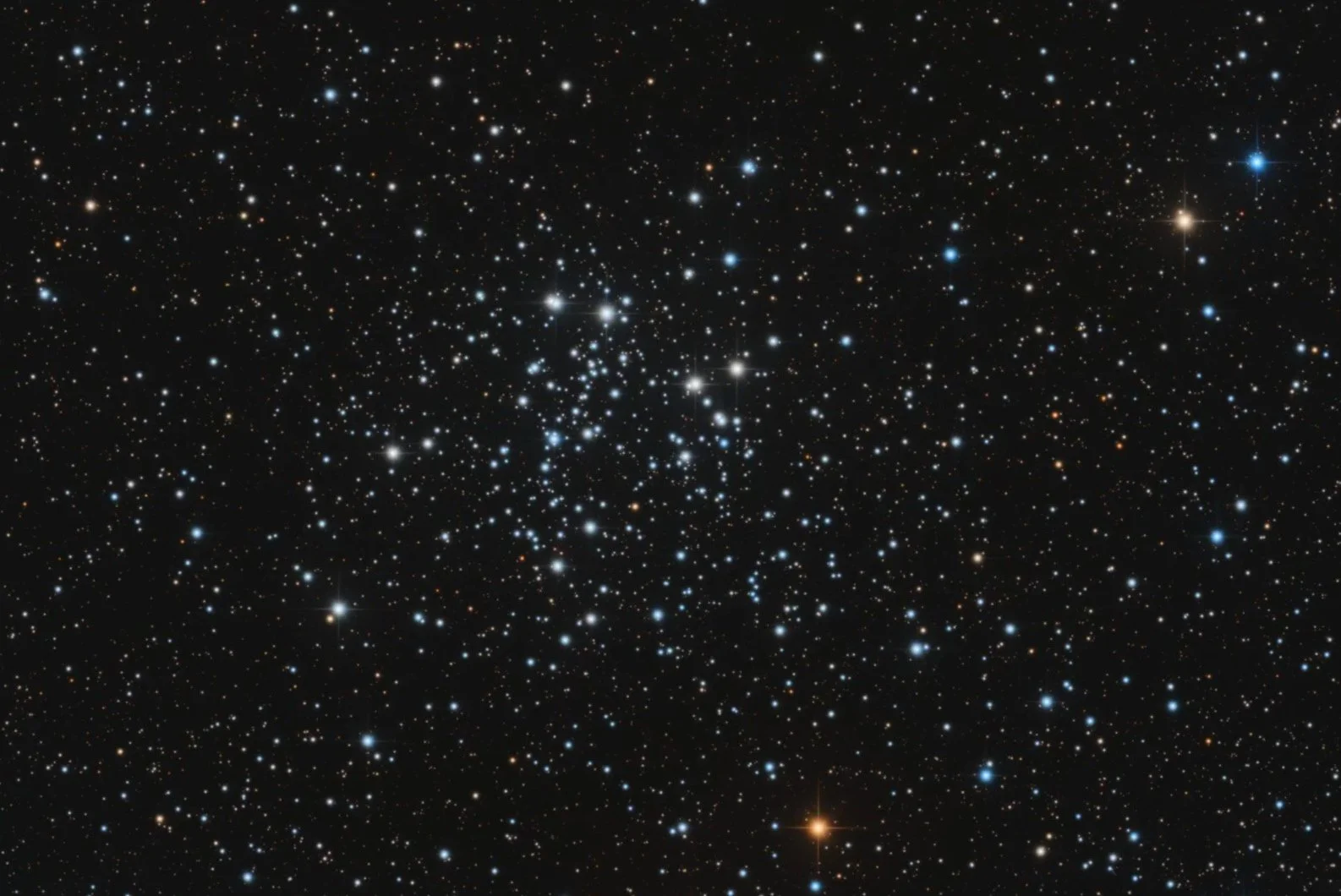
Caldwell 10
Caldwell 10, also known as NGC 663, is a young open cluster located 8,800 light years from Earth in the constellation of Cassiopeia. It has an estimated 400 stars and spans about a quarter of a degree across the sky. The star cluster is assumed to form part of the stellar association Cassiopeia OB8, that is located in the Perseus Arm of the Milky Way, along with the open clusters M103, NGC 654, NGC 659, and some supergiant stars scattered between them, all of them having similar ages and distances.
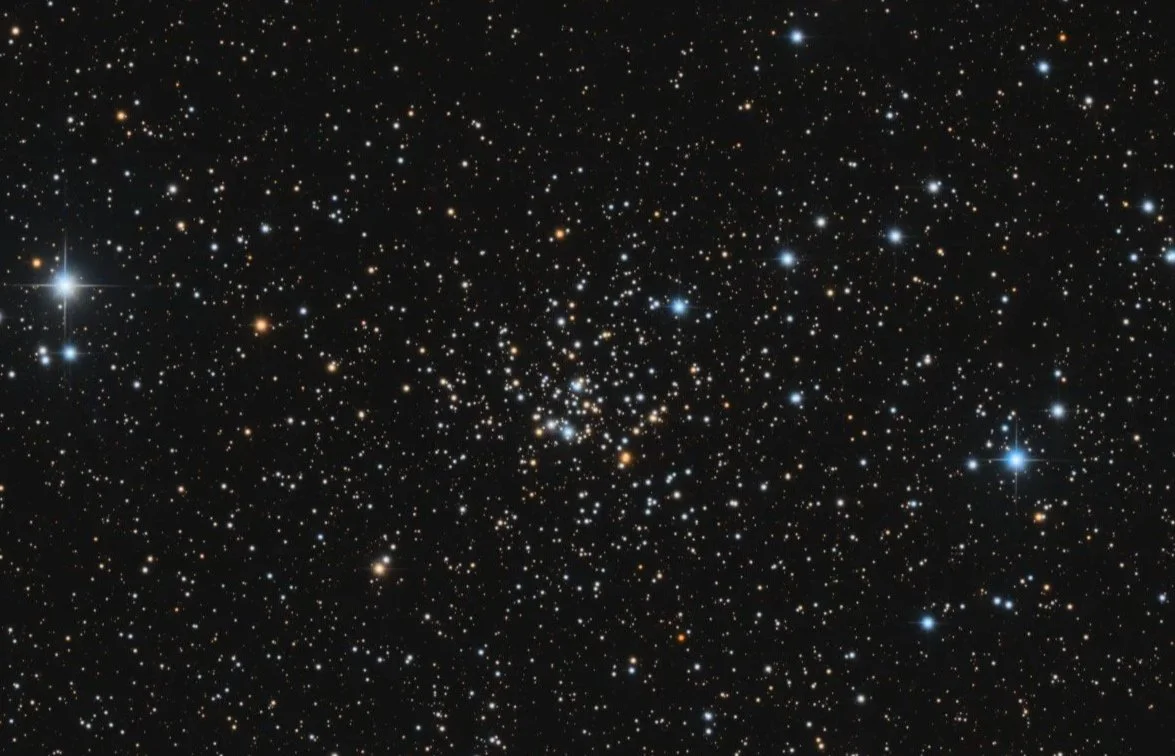
Caldwell 8
Caldwell 8 (NGC 559) is an open cluster in the constellation Cassiopeia. It was discovered by William Herschel on 9 November 1787. About 120 stars populate the cluster, but only about 40 of them are of magnitude 12 or brighter. It is located near the open cluster NGC 637, and the bright magnitude +2.2 irregular variable star Gamma Cassiopeiae. The cluster is 7 arcmins across. The object is also called Ghost's Goblet.
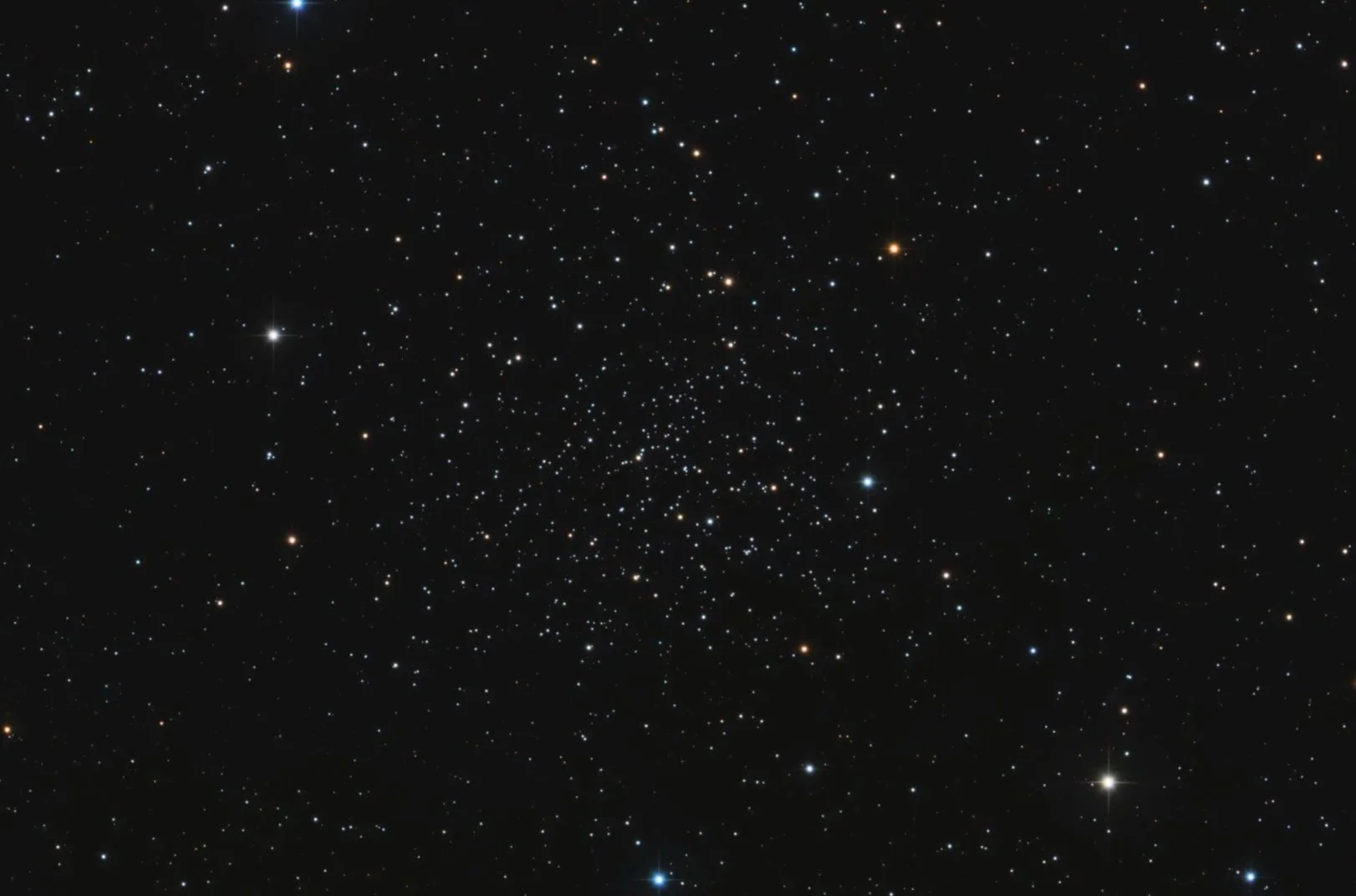
Caldwell 1
Caldwell 1, also known as NGC 188 or the Polarissima Cluster, is an open cluster in the constellation Cepheus. It was discovered by John Herschel in 1825. Unlike most open clusters, NGC 188 lies far above the plane of the galaxy and is one of the most ancient of open clusters known, at approximately 6.8 billion years old.

M75
Messier 75 is a globular cluster in the constellation Sagittarius. It was discovered by Pierre Méchain in 1780 and included in Charles Messier's catalog that same year. M75 is about 67,500 light years away from Earth and is 14,700 light years away from, and on the opposite side of, the Galactic Center. Messier 75 is part of the Gaia Sausage, the hypothesised remains of a dwarf galaxy that merged with the Milky Way.

M72
Messier 72 is a globular cluster in the south west of the constellation of Aquarius. M72 was discovered by astronomer Pierre Méchain in 1780. Charles Messier looked for it 36 days later, and included it in his catalog. The cluster is approximately 55,000 lightyears away from the Sun. It has an estimated combined mass of 168,000 solar masses and is around 9.5 billion years old.

M30
Messier 30 (also known as NGC 7099 or the Jellyfish Cluster) is a globular cluster in the constellation of Capricornus. M30 is centred 27,100 light-years away from Earth and is about 93 light-years across. The estimated age is roughly 12.9 billion years. M30 makes one of the highest density regions in the Milky Way galaxy.