

Images
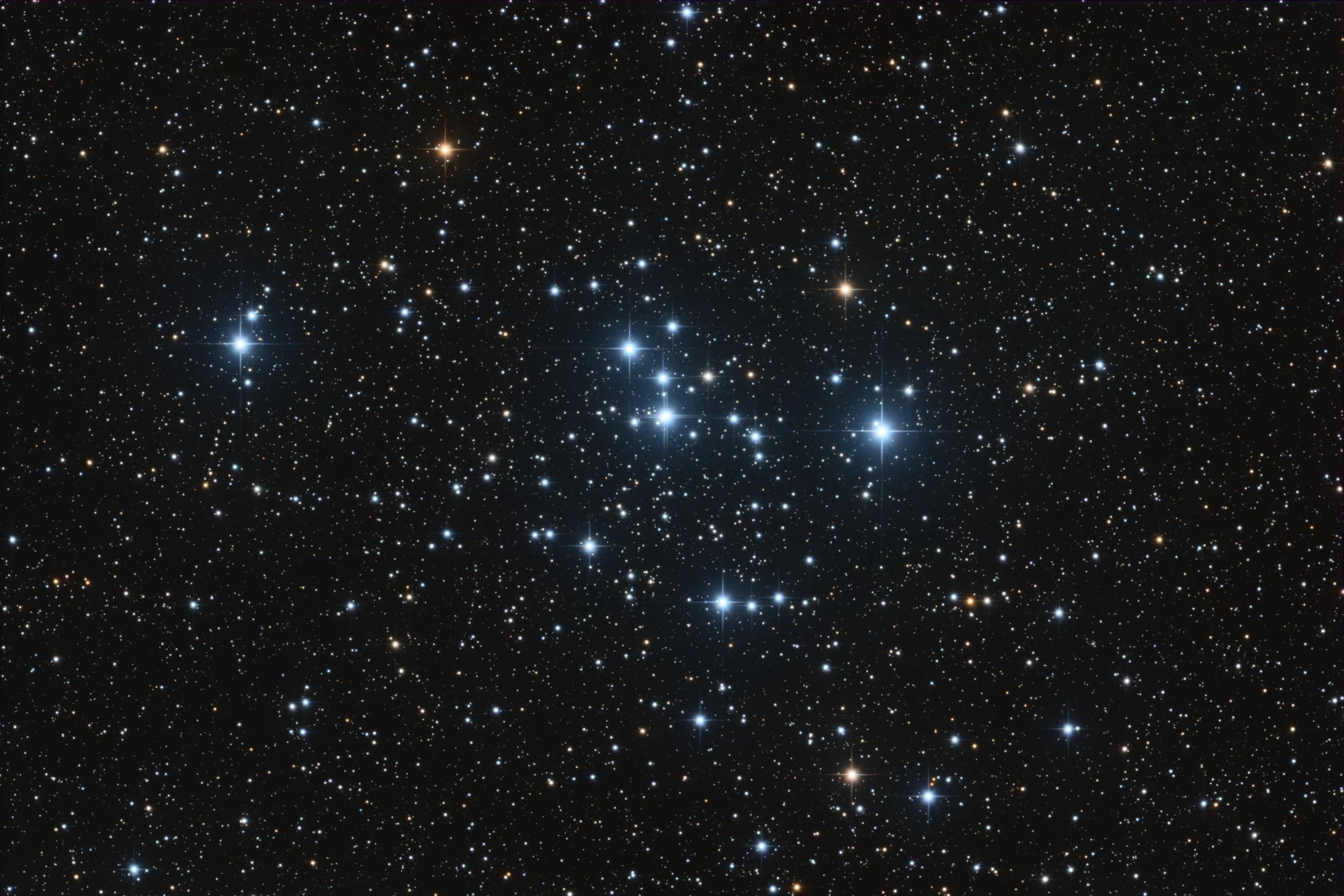
M47
Messier 47, also known as NGC 2422, is an open star cluster located in the constellation Puppis. M47 lies at a distance of approximately 1,600 light-years from Earth and spans a true diameter of roughly 12 light-years. It is a relatively young cluster, estimated at around 78 million years old, and contains approximately 50 to 80 stars, several of which are bright enough to be seen with the naked eye.
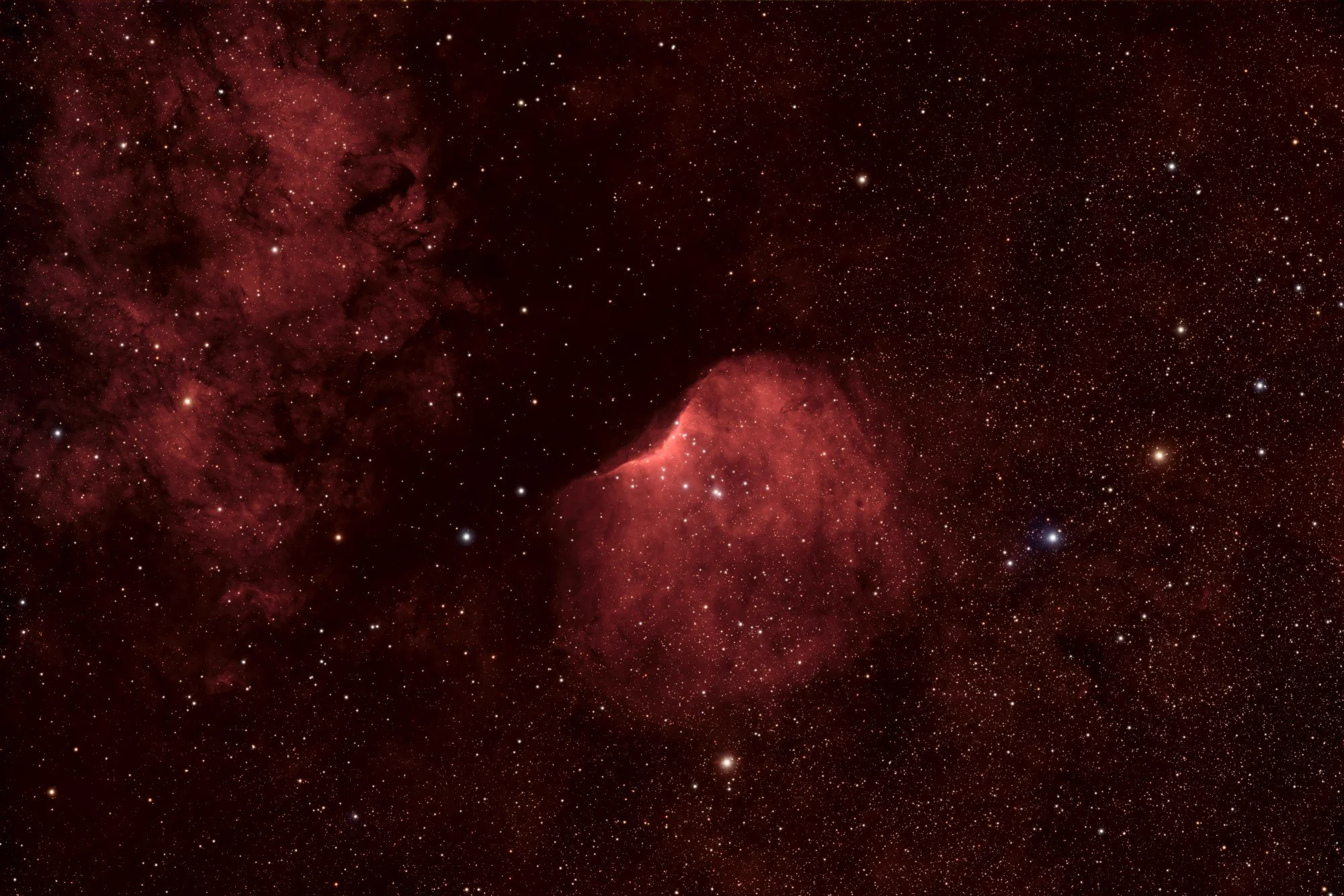
Sh2-140
Sh2-140 is an emission and reflection nebula located in the constellation Cepheus, near the border with Lacerta. The nebula lies at a distance of approximately 2,900 light-years from Earth. The illuminating source is a hot young star designated HD 211880, whose ultraviolet radiation ionises the surrounding gas and drives the characteristic emission glow. The visible nebula spans roughly 10 light-years across.
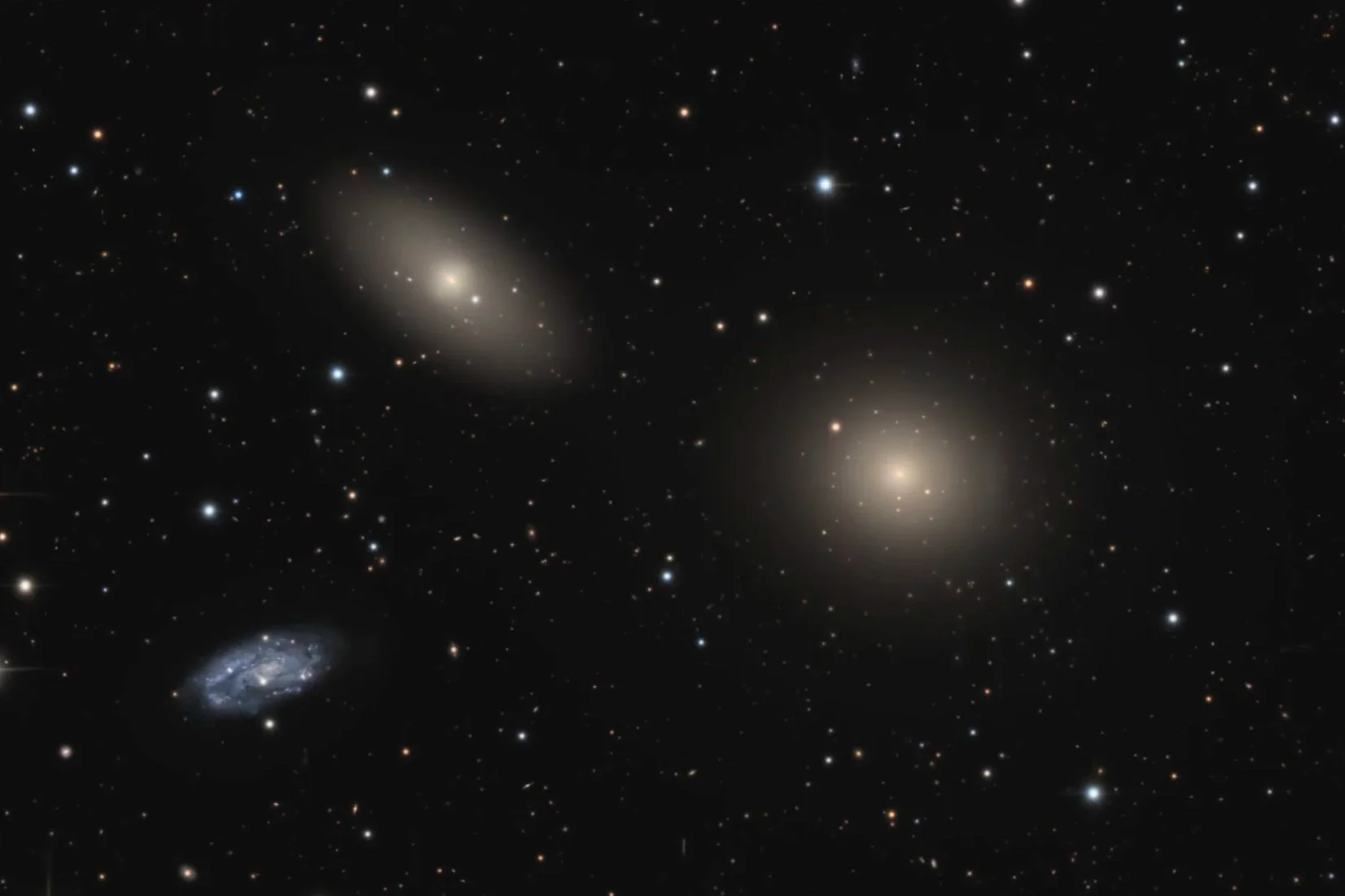
M105
Messier 105 is an elliptical galaxy located in the constellation Leo. It was discovered by Pierre Méchain on March 24, 1781, just days before Messier finalised his famous catalogue, making it one of the last entries added. M105 lies at a distance of approximately 32 million light-years from Earth and is the brightest elliptical galaxy in the Leo I Group, a galaxy group that also includes M95 and M96. M105 spans roughly 55,000 light-years in diameter. Studies have indicated the presence of a supermassive black hole at its centre with a mass estimated at around 140 million solar masses.
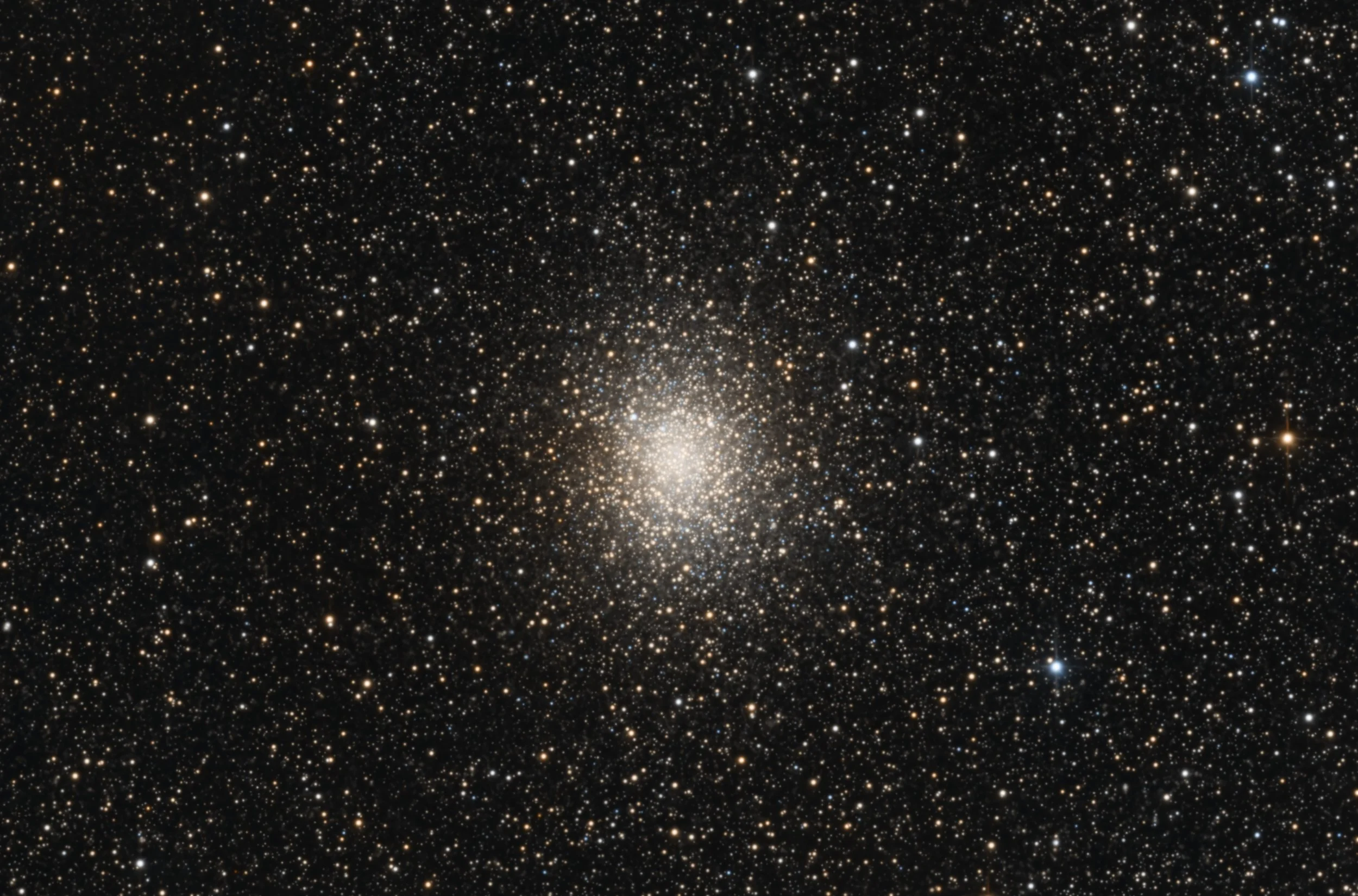
M19
Messier 19, also known as NGC 6273, is a globular cluster located in the constellation Ophiuchus, the Serpent Bearer. It was discovered by Charles Messier on June 5, 1764, making it one of his earlier catalogue entries. M19 lies at a distance of approximately 28,000 light-years from Earth, placing it in the inner regions of the Milky Way galaxy and relatively close to the galactic centre. Its diameter spans roughly 140 light-years. The cluster contains several hundred thousand stars.
M100
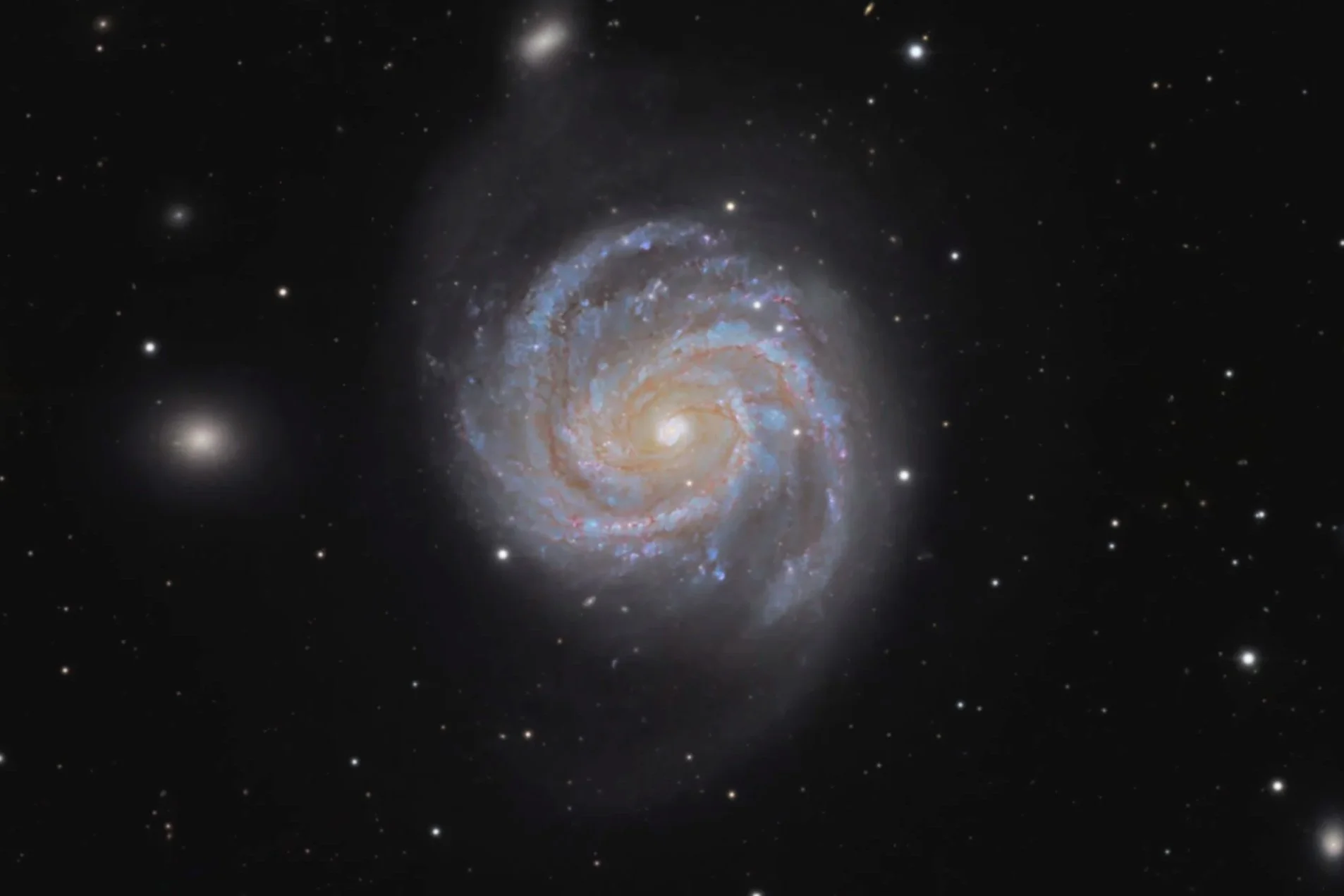
Messier 100 (NGC 4321) is a grand design spiral galaxy located in the constellation Coma Berenices, near its border with Virgo. It was discovered by Pierre Méchain on March 15, 1781, and later observed and catalogued by Charles Messier just days after. The galaxy has no widely used common name, though it is occasionally referred to as the Mirror Galaxy. M100 sits at a distance of approximately 55 million light-years from Earth and is one of the largest and brightest members of the Virgo Cluster.
Comet C/2025 R3 (PANSTARRS)
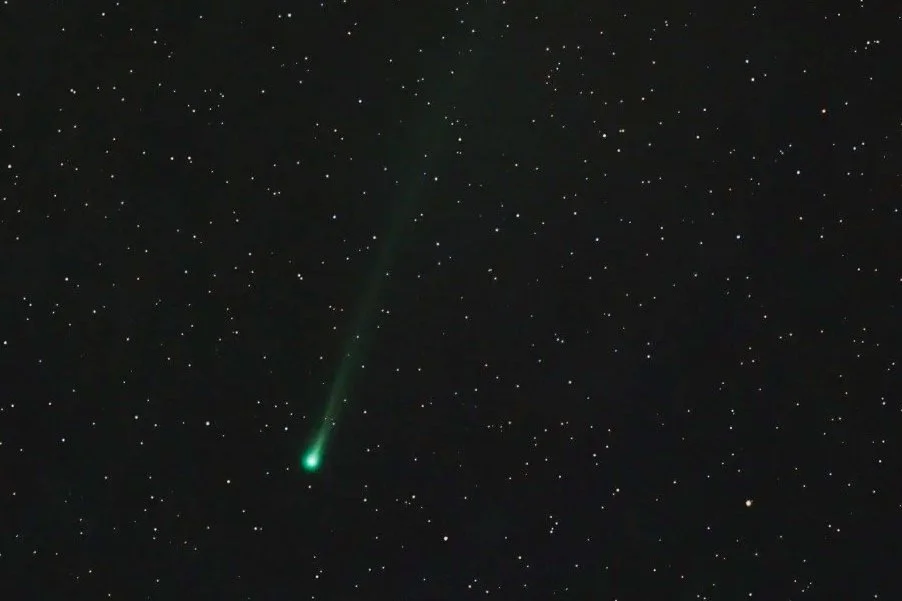
C/2025 R3 (PanSTARRS) is a hyperbolic comet originating from the Oort Cloud, discovered on 8 September 2025. The comet reached perihelion on 19 April 2026. Around perihelion the low elevation above the horizon limits practical observing from northern latitudes. Its ion tail was measured at least 7 degrees in length in photographs taken in early April. Closest approach to Earth occurs on 26 April 2026. The comet is classified as hyperbolic, meaning its trajectory is not gravitationally bound to the Solar System. Its future outbound path will result in ejection from the Solar System entirely. The nucleus is estimated to be less than one kilometre in diameter.
M38
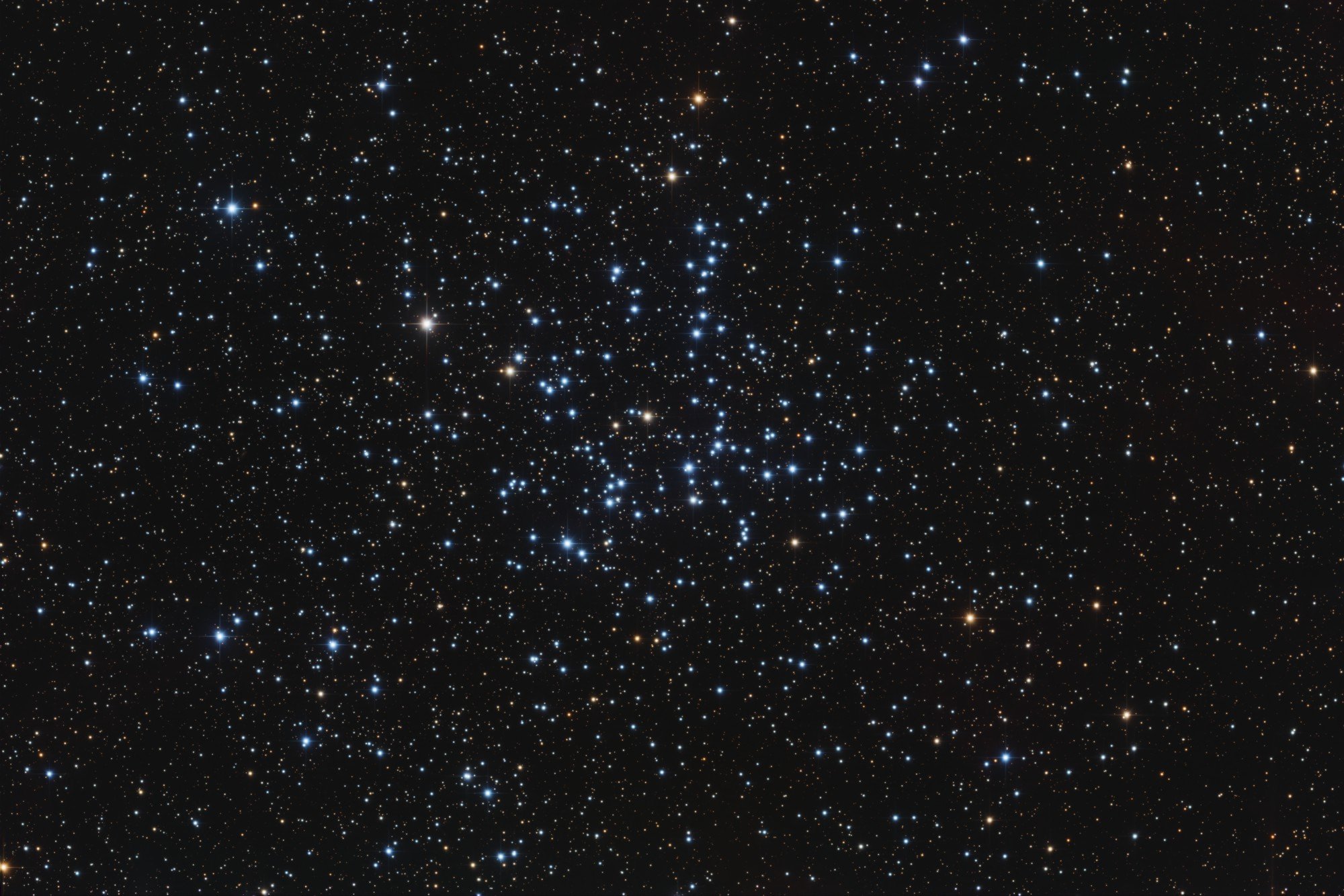
Messier 38, also known as NGC 1912, is an open cluster located in the constellation Auriga. It was first recorded by Guillaume Le Gentil in 1749. The cluster spans around 21 arcminutes on the sky, corresponding to a true diameter of roughly 25 light-years. The cluster contains around 100 confirmed member stars. The brighter stars form a loose oblique or cross-shaped pattern, which gives rise to the informal nickname "the Starfish Cluster."
Sh2-157
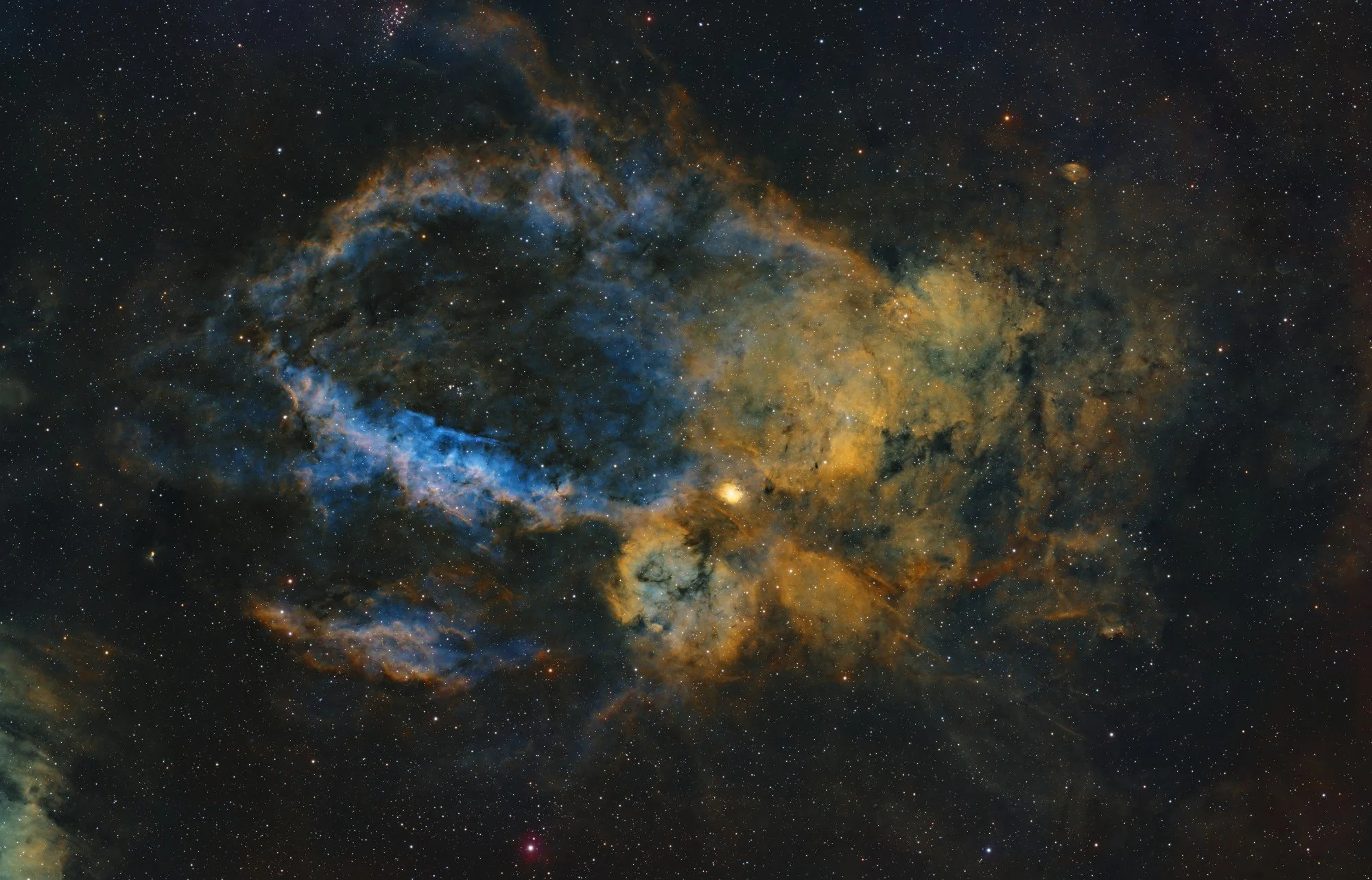
Sharpless 157 (Sh2-157) is a large but faint emission nebula located on the border of the constellations Cassiopeia and Cepheus, approximately 8,000 to 11,000 light-years from Earth. It is also popularly known as the Lobster Claw Nebula due to its distinctive shape, which features a northern ring formed by stellar winds and a southern sector excited by the radiation of massive O-type stars.
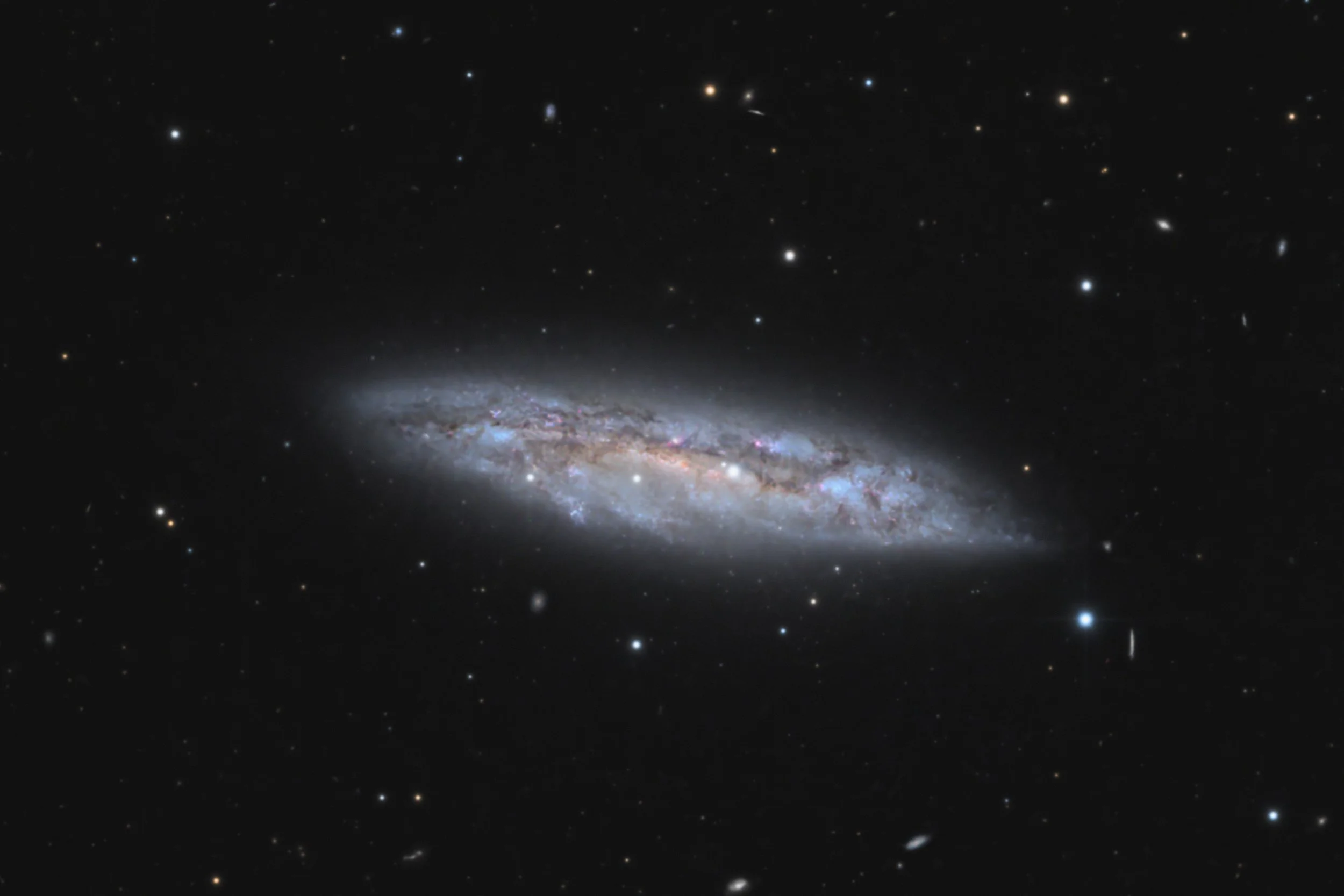
M108
Messier 108, also known as NGC 3556 and nicknamed the Surfboard Galaxy, is a barred spiral galaxy about 46 million light-years away from Earth in the northern constellation Ursa Major. It was discovered by Pierre Méchain in 1781 or 1782. From the Earth, this galaxy is seen almost edge-on. This galaxy is an isolated member of the Ursa Major Cloud of galaxies in the local supercluster.
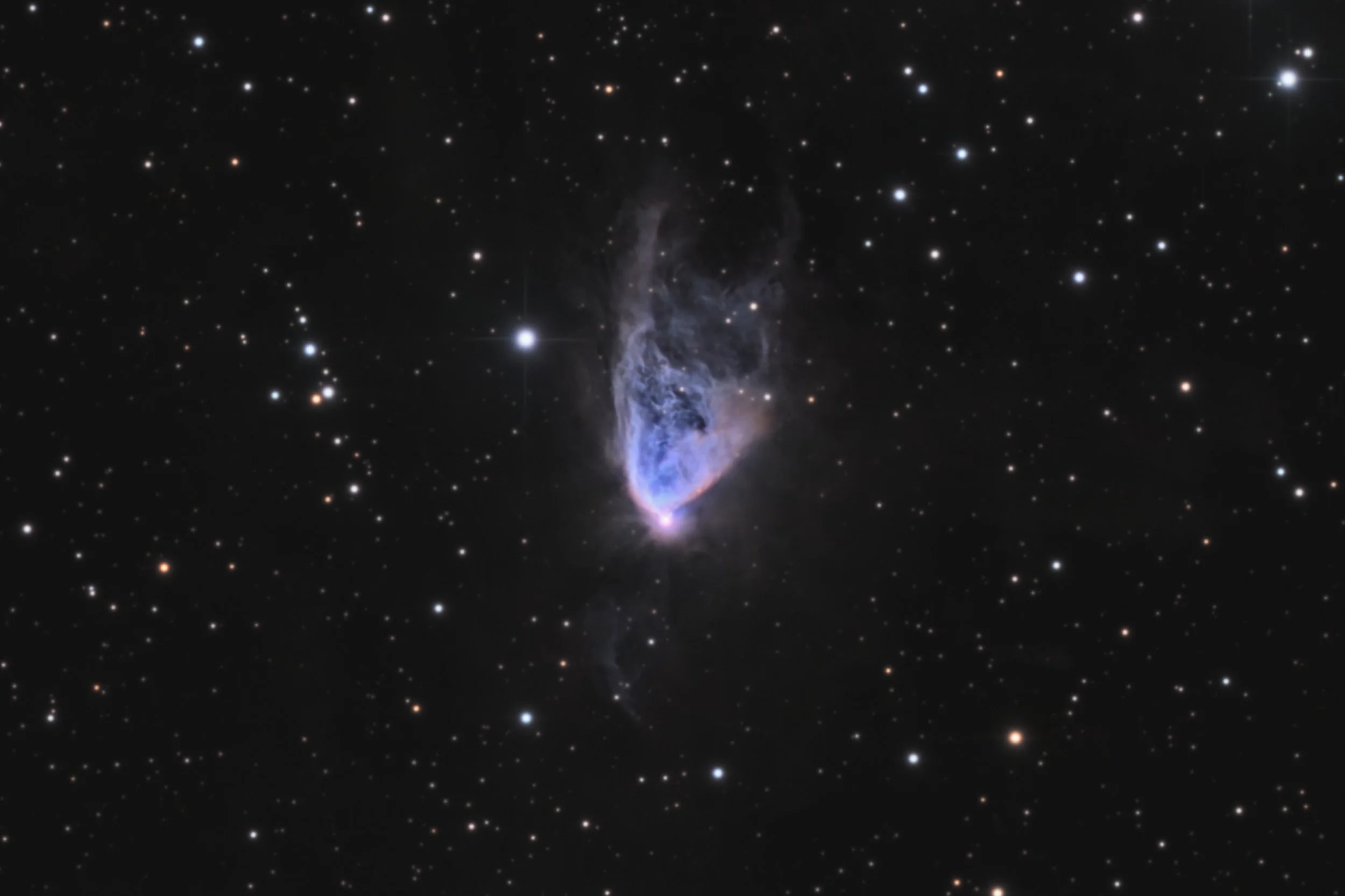
Caldwell 46
Caldwell 46, also known as NGC 2261 or Hubble’s Variable Nebula is a variable nebula located in the constellation Monoceros. It got its nickname from observations that Edwin Hubble did during the middle of the previous century, in which he discovered that both shape and brightness changes over time. One explanation is that dark clouds block light from the central illuminating star from time to time, in a timespan of weeks or months.
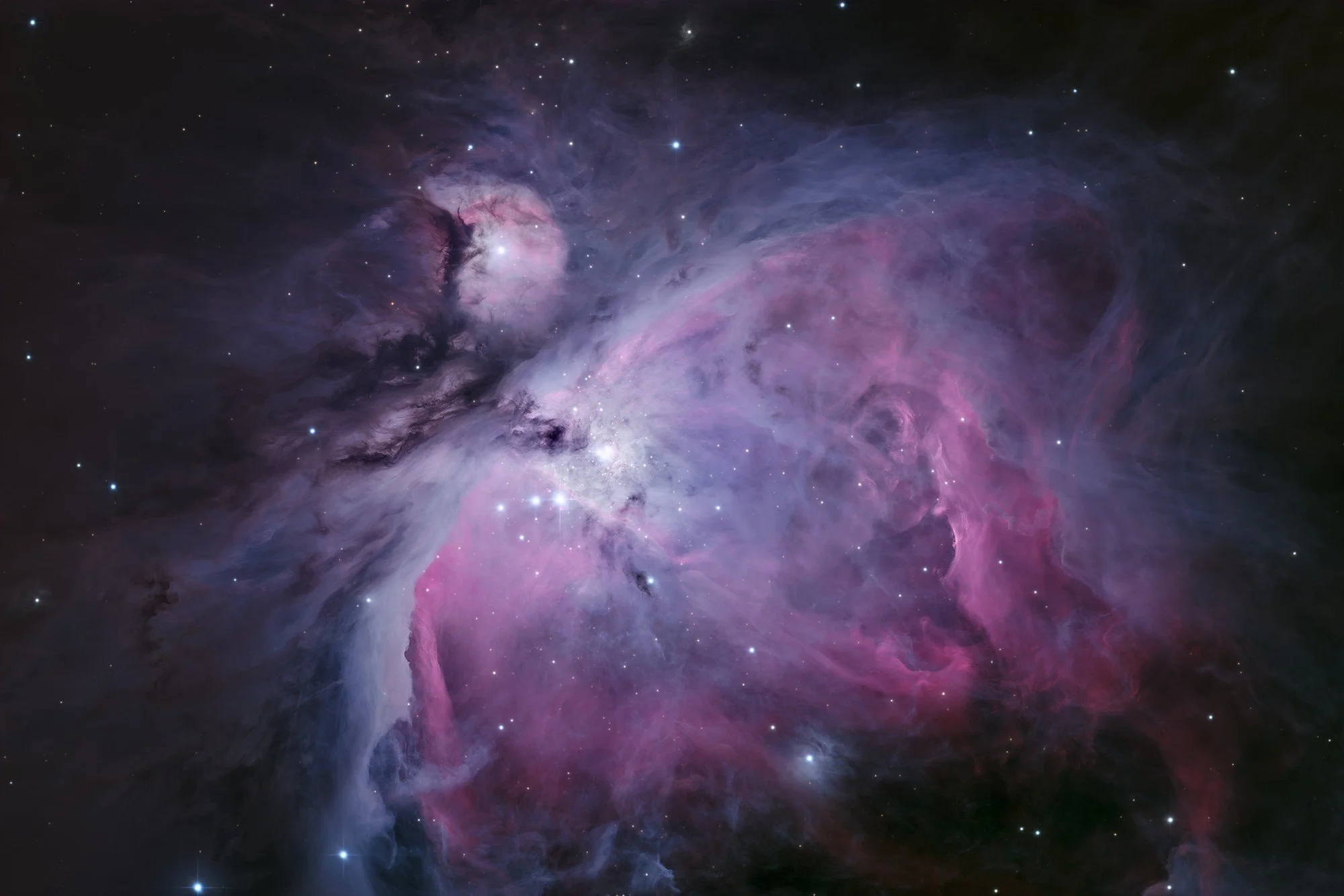
M42 | M43
The Orion Nebula is one of those iconic objects that wants to be in any astrophotographers portfolio. This object was the first image taken here at AstroWorldCreations, back in 2018. A lot has changed since then, and a revisit of this impressive nebula was long overdue. While M42 is the actual Orion Nebula, the neighbouring M43 is always shot in the same image, but goes by the name or Mairan’s Nebula.
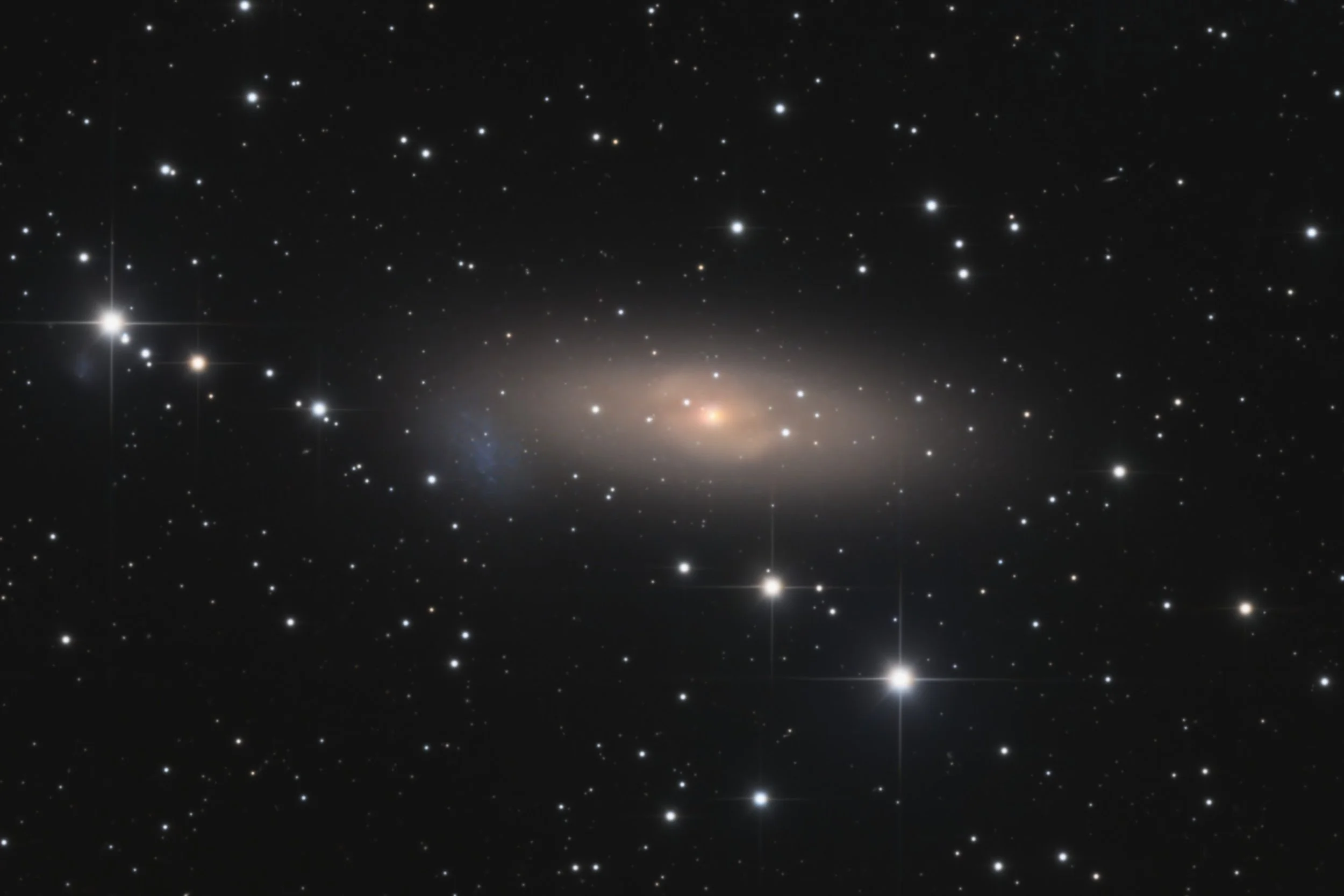
Arp 135
Arp 135, also known as NGC 1023 or the Perseus Lenticular Galaxy, is a member of the NGC 1023 group of galaxies in the Local Supercluster. Distance measurements vary from 30 to 64 million light-years. Arp classifies this object under “Galaxies with Nearby Fragments". Arp 135 is a barred lenticular galaxy, with a barred spiral structure still visible in an otherwise elliptical structure. Both the barred structure and the accompanying (blue-ish) satellite galaxy NGC1023A are well visible in this image.
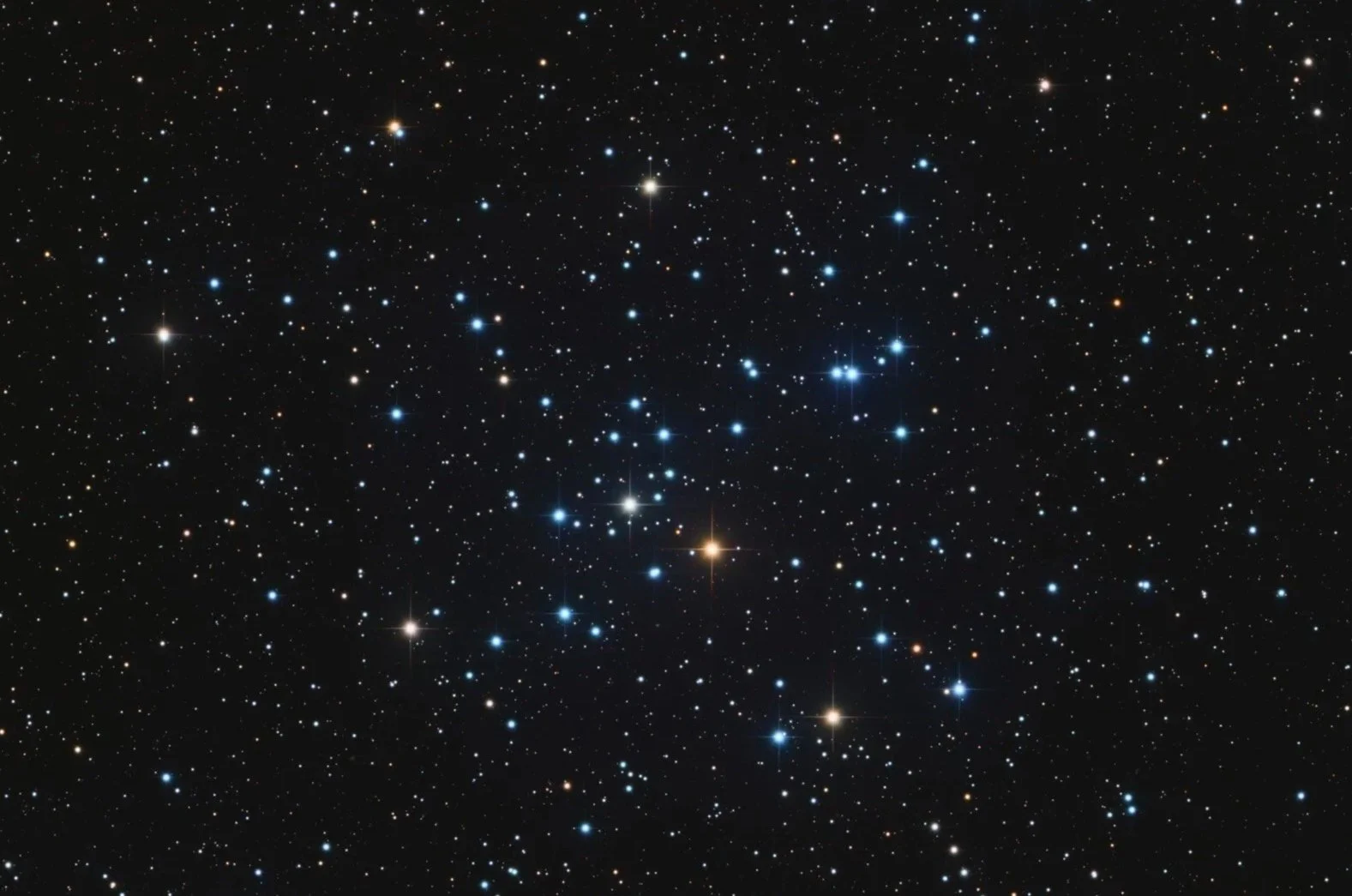
M41
Messier 41 is an open cluster in the constellation Canis Major. The cluster spans an area comparable to the size of the full moon and contains about 100 stars, including several red giants and white dwarfs. Discovered by Giovanni Batista Hodierna before 1654, M41 may have been observed by Aristotle as early as 325 BC. It is sometimes called the Little Beehive Cluster due to its resemblance to the Beehive Cluster (M44).
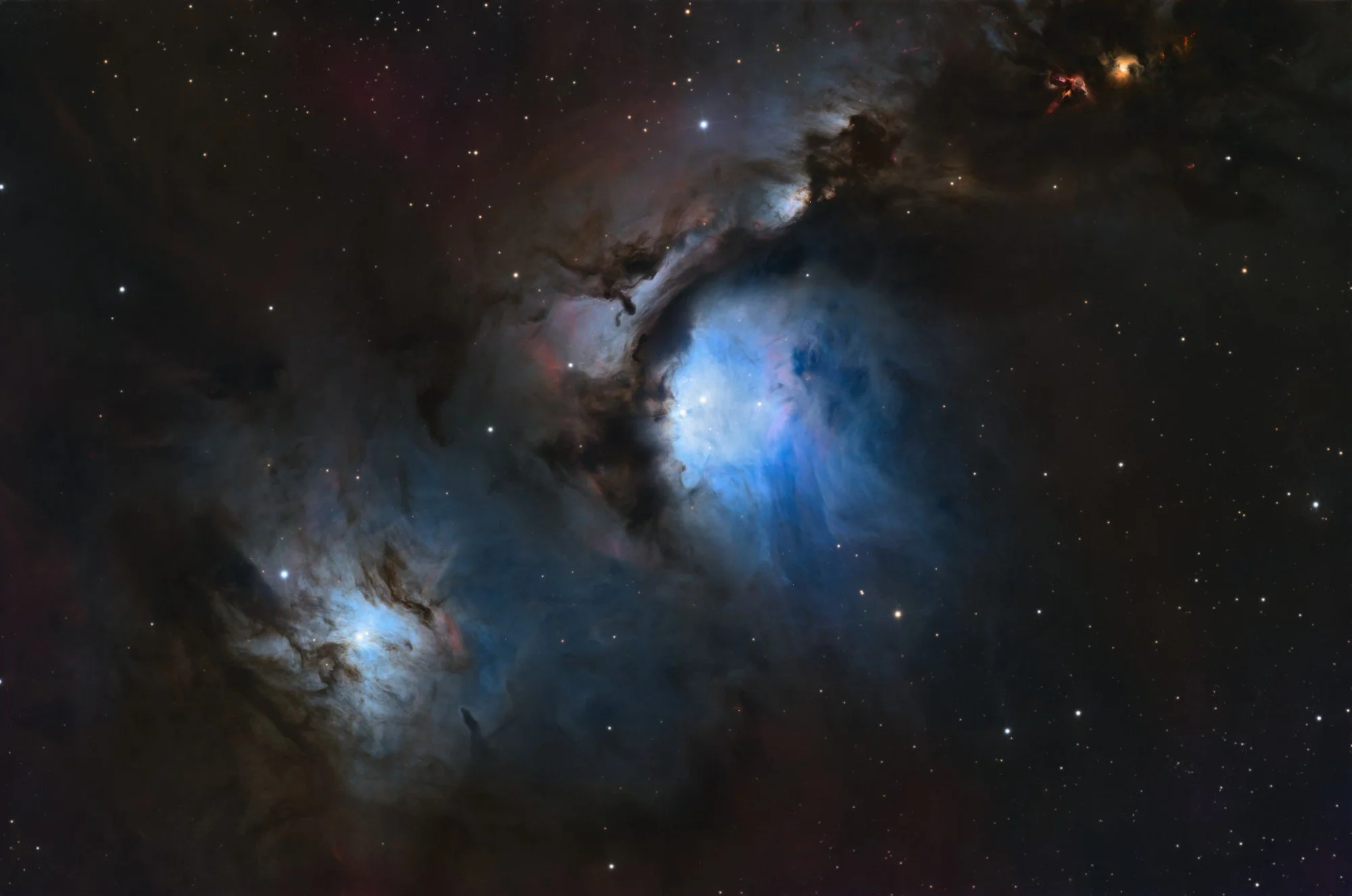
M78
M78 is a reflection nebula in the constellation Orion. It is the brightest diffuse reflection nebula in a group that includes NGC 2064, NGC 2067, and NGC 2071, all part of the Orion B molecular cloud complex. M78 is located approximately 1,350 light-years from Earth. M78 was discovered by Pierre Méchain in 1780, and included in Charles Messier's catalog of comet-like objects that same year.
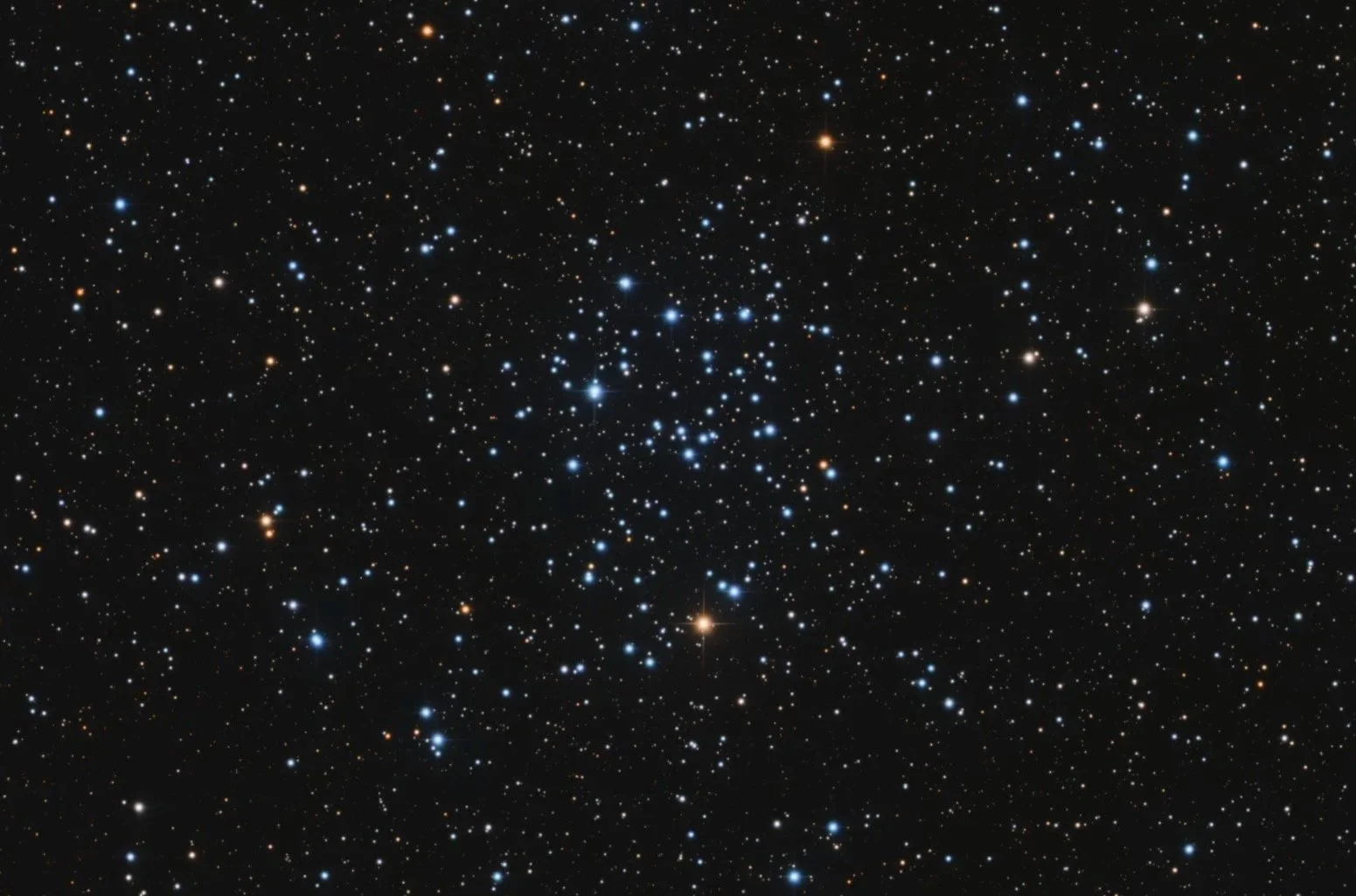
M50
Messier 50, also known as NGC 2323 or the Heart-shaped Cluster, is an open cluster of stars in the constellation Monoceros. It was recorded by G. D. Cassini before 1711 and independently discovered by Charles Messier in 1772 while observing Biela's Comet. M50 is about 2,900 light-years away from Earth and spans 17.8 light-years. The cluster has 508 confirmed and 109 probable members and their combined mass is more than 285 solar masses.
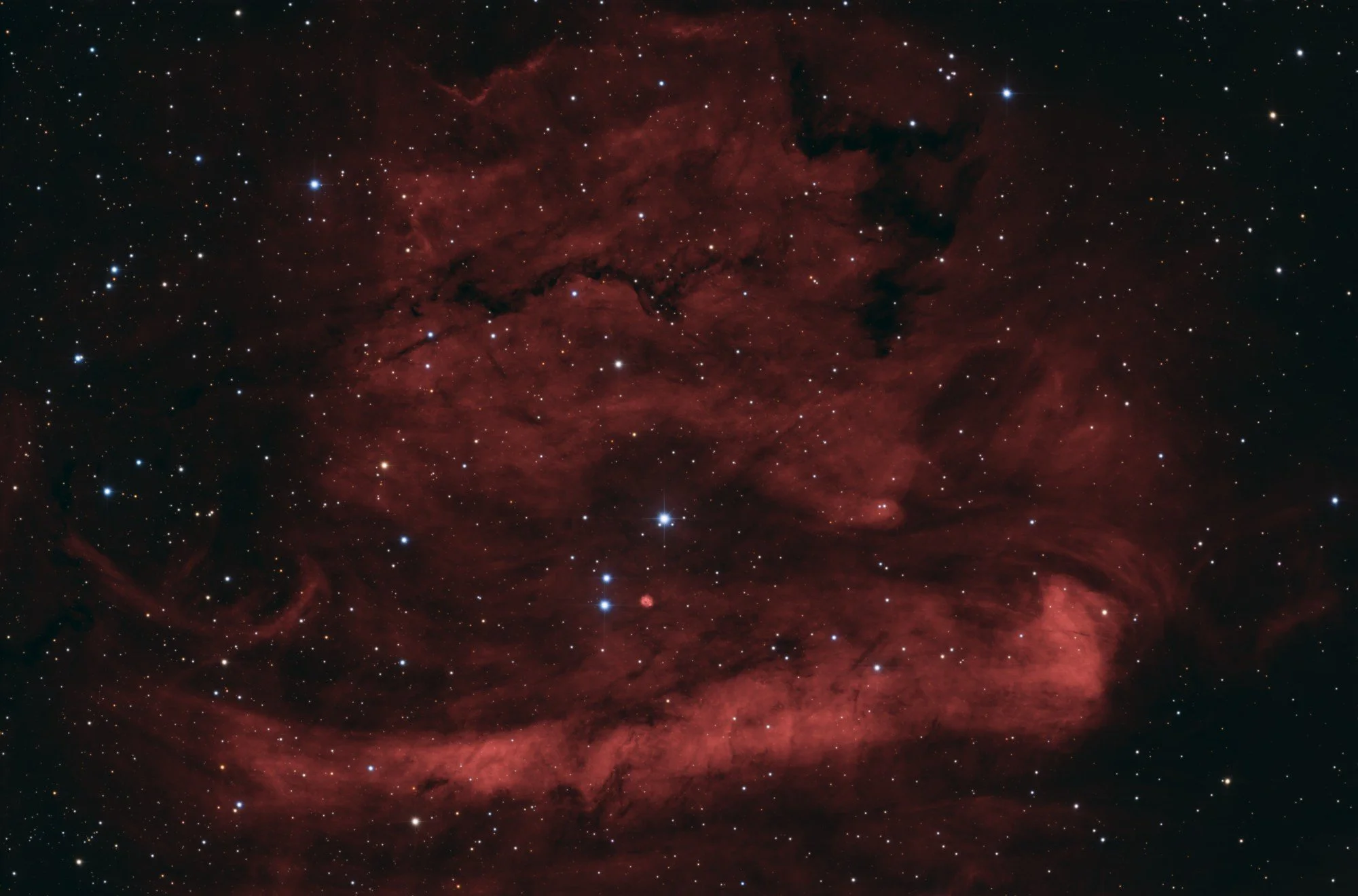
Sh2-232
Sh2-232, also known as the Great Pumpkin Nebula, is a large, faint HII emission nebula located in the constellation Auriga, approximately 5,800 light-years from Earth. It is part of a larger complex of nebulae (including Sh2-235, Sh2-231 and Sh2-233) that are star-forming regions. Inside the nebula there is a small planetary nebula (PN G173.5+03.2). The planetary nebula also emits OIII, but Sh2-232 has no OIII signal of any significance. A total of two asteroids were discovered travelling through the Field of View
Caldwell 16
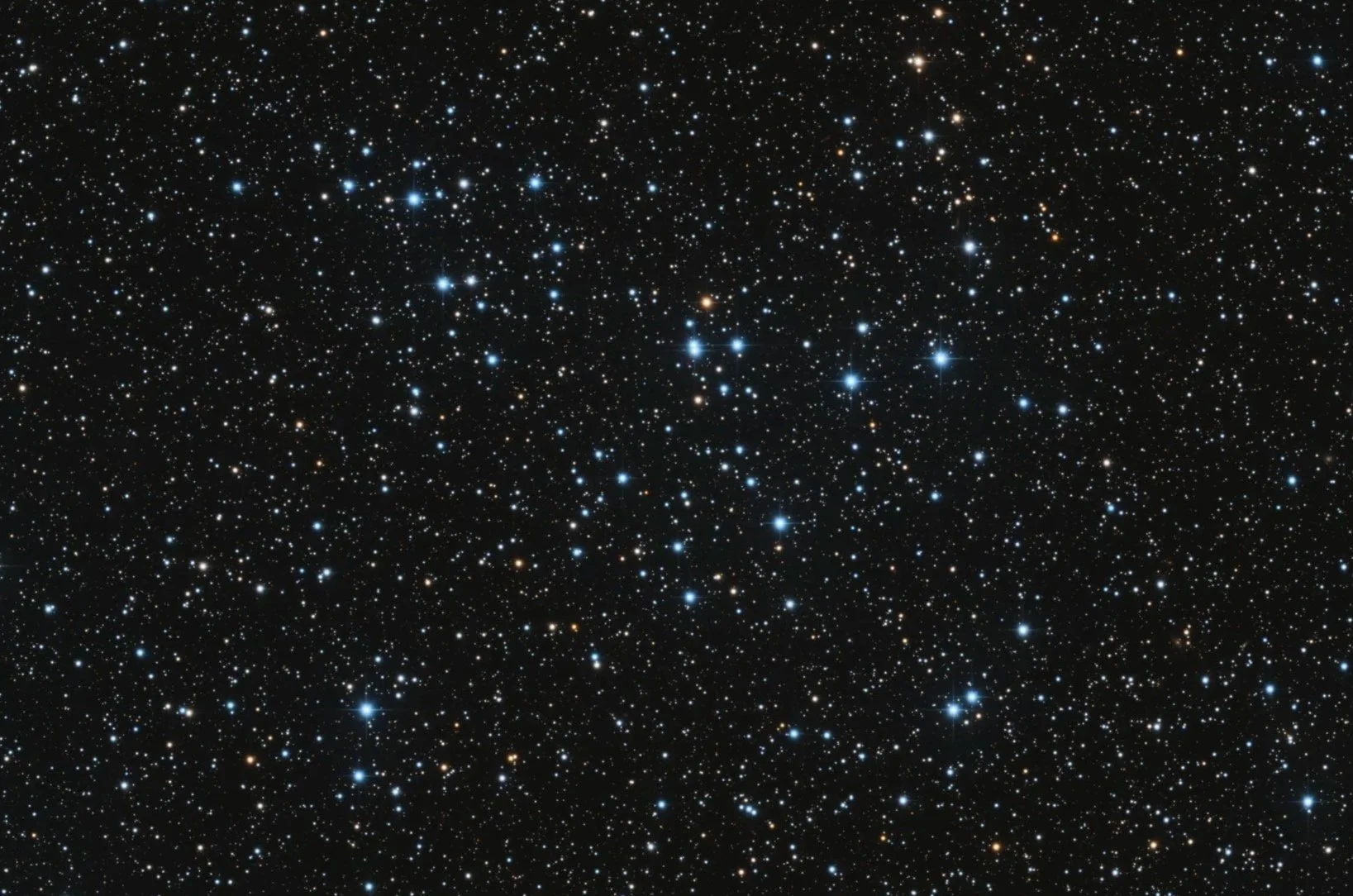
Caldwell 16, also known as NGC 7243, is an open cluster located 2,300 light years from Earth in the constellation of Lacerta. It was discovered in 1788 by William Herschel, contains an estimated 211 stars and has an angular diameter of about 21 arc minutes. The age of this cluster is estimated at about 250 million years. The cluster is fairly bright, with an apparent magnitude of 6.4 making it visible with the naked eye.
Caldwell 10
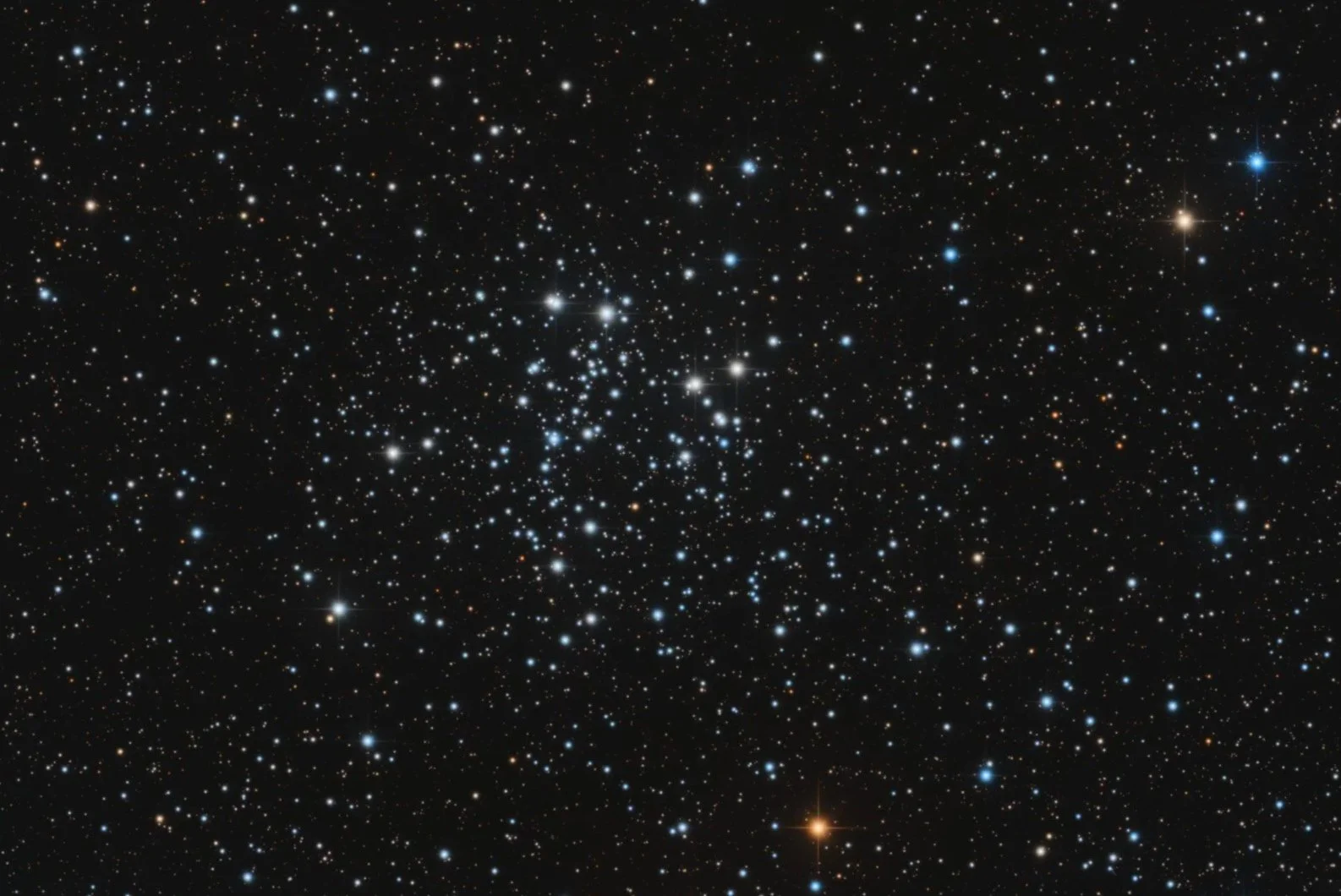
Caldwell 10, also known as NGC 663, is a young open cluster located 8,800 light years from Earth in the constellation of Cassiopeia. It has an estimated 400 stars and spans about a quarter of a degree across the sky. The star cluster is assumed to form part of the stellar association Cassiopeia OB8, that is located in the Perseus Arm of the Milky Way, along with the open clusters M103, NGC 654, NGC 659, and some supergiant stars scattered between them, all of them having similar ages and distances.
Caldwell 8
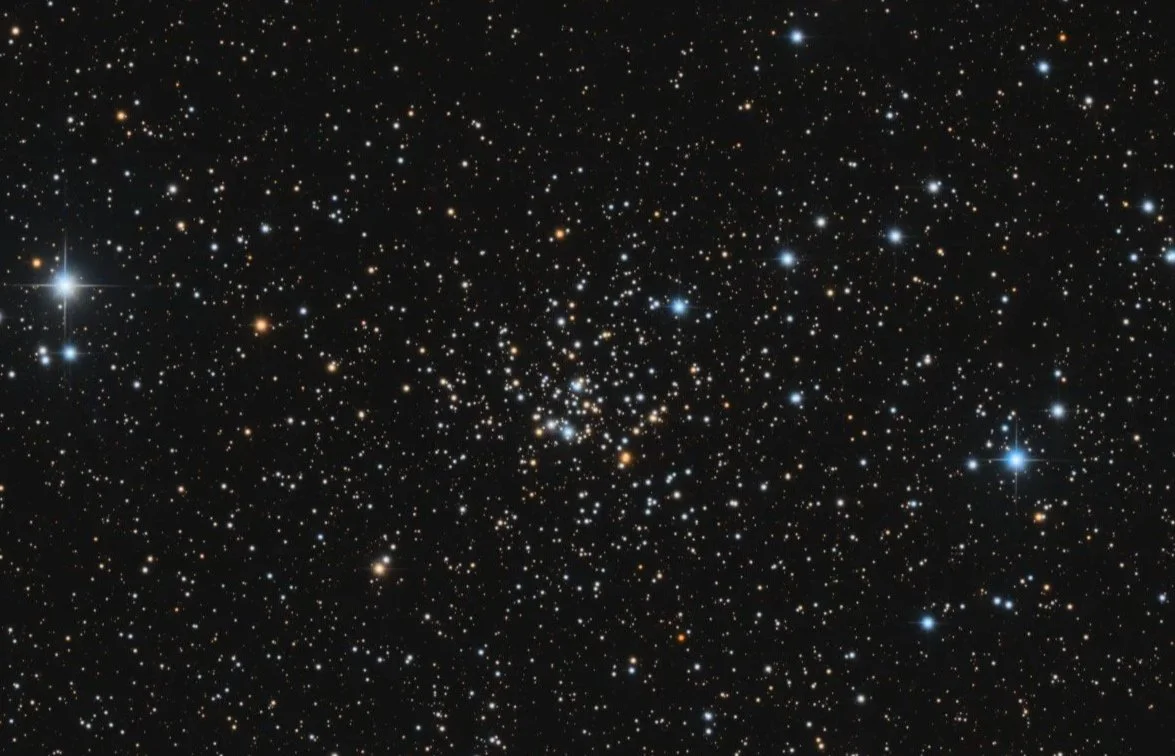
Caldwell 8 (NGC 559) is an open cluster in the constellation Cassiopeia. It was discovered by William Herschel on 9 November 1787. About 120 stars populate the cluster, but only about 40 of them are of magnitude 12 or brighter. It is located near the open cluster NGC 637, and the bright magnitude +2.2 irregular variable star Gamma Cassiopeiae. The cluster is 7 arcmins across. The object is also called Ghost's Goblet.
Caldwell 22
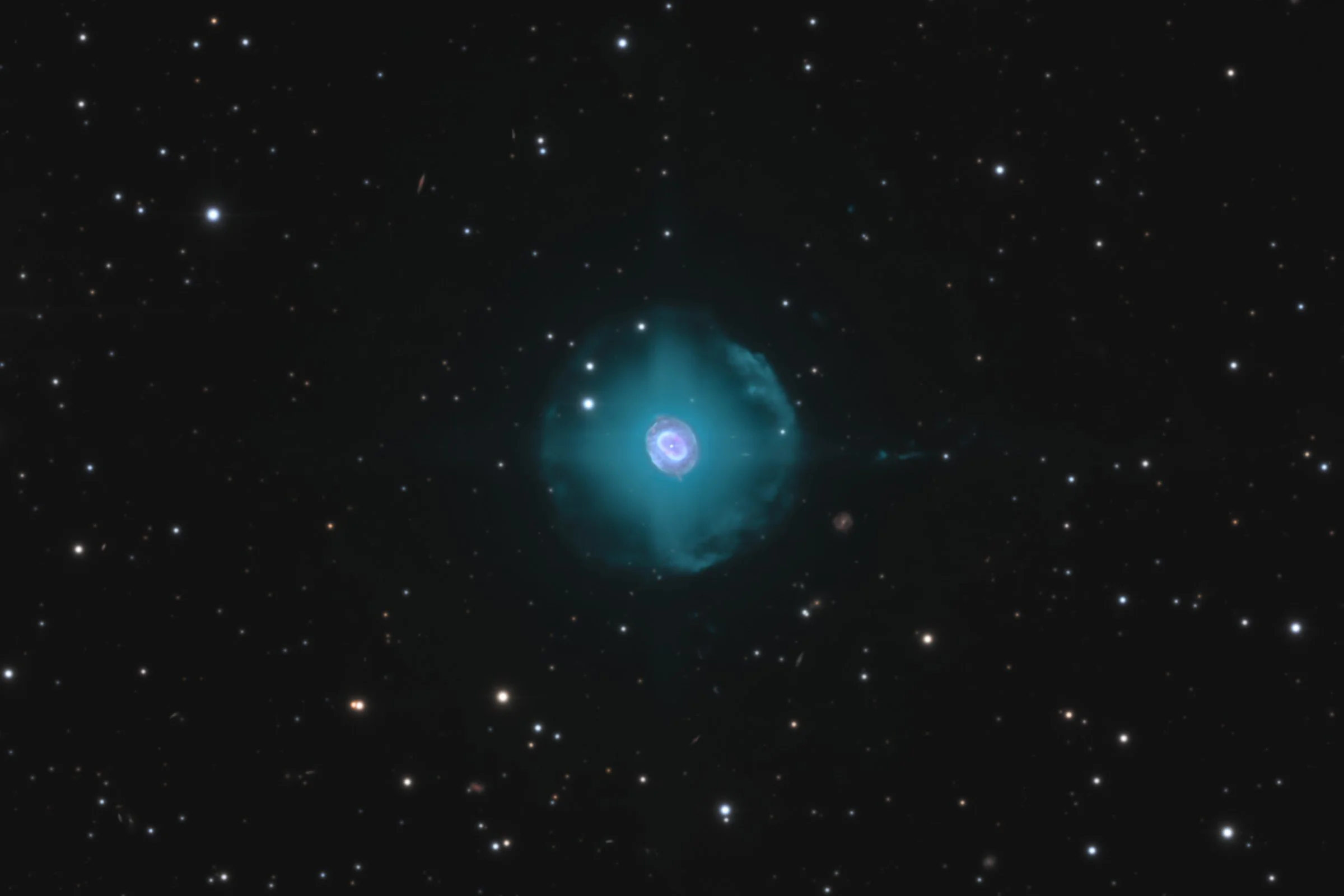
Caldwell 22, also known as NGC 7662 or te blue snowball nebula, is a planetary nebula in the constellation Andromeda. It was discovered on October 6, 1784 by William Herschel. Many photos focus on the bright core of the nebula itself. But there is a large envelope of faint OIII signal surrounding the nebula, which has been captured in this image as well.